



Massachusetts: A new study has found that wood burning is reintroducing lead pollution into the air of homes and local communities, raising fresh concerns about public health and air quality.
Researchers from the University of Massachusetts Amherst conducted a systematic investigation after concerns emerged that harmful elements released from burning wood could pose risks to the public.
Although lead was banned as an additive in petrol more than 25 years ago because of its severe neurotoxic effects, the study suggests wood smoke is now becoming another source of exposure.
The research team analysed particle pollution samples collected from five suburban and rural towns in the north-eastern United States. Scientists specifically examined tiny potassium particles released during wood burning alongside airborne lead particles.
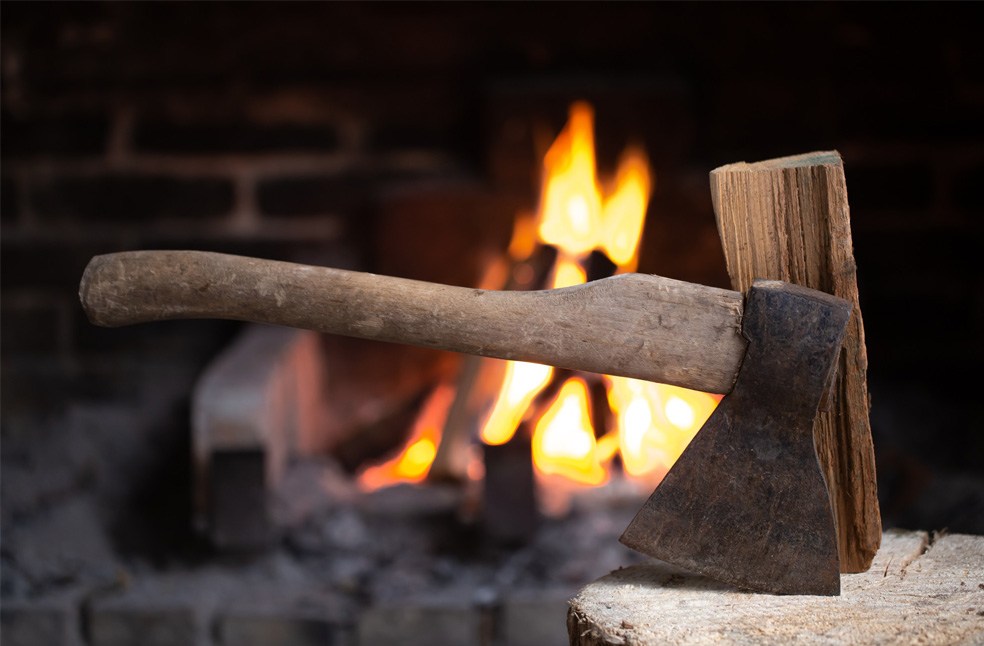
Data collected across seven winters revealed a strong connection between wood smoke and lead pollution. Researchers found that on days with higher levels of wood-burning particles, there were also higher levels of lead in the air.
Four of the five towns showed a clear linear relationship between potassium and lead concentrations.
Richard Peltier, senior author of the study, stated that wood burning produces significant levels of particle pollution, including measurable amounts of lead, which is considered a powerful neurotoxic substance.
Tricia Henegan, the study’s lead author and a PhD student at the university, noted that wood fuels remain widely used around the world, and researchers were concerned that harmful elements from wood smoke could affect public health. Henegan added that the findings confirmed those concerns.
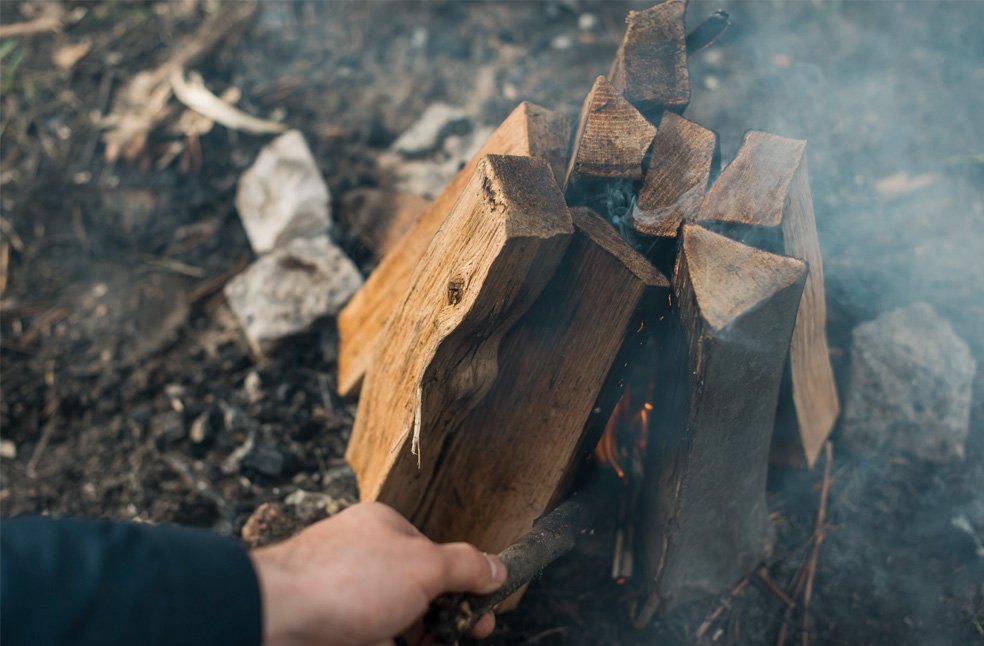
The study was later expanded to include 22 additional towns across the United States. Researchers found that the relationship between potassium and lead varied depending on location, with the strongest links recorded in the Rocky Mountain region.
After accounting for temperature variations, moderate to strong associations between wood smoke and lead pollution further strengthened the conclusion that the additional airborne lead was coming from wood burning.
Although the lead concentrations measured during the study remained below legal US safety limits, researchers stressed that no level of lead exposure is considered completely safe.
Lead was widely used globally as a petrol additive beginning in the 1920s before mounting evidence linked it to severe health risks. Scientists now acknowledge that lead exposure can harm people at every stage of life and that contamination can come from multiple environmental sources.
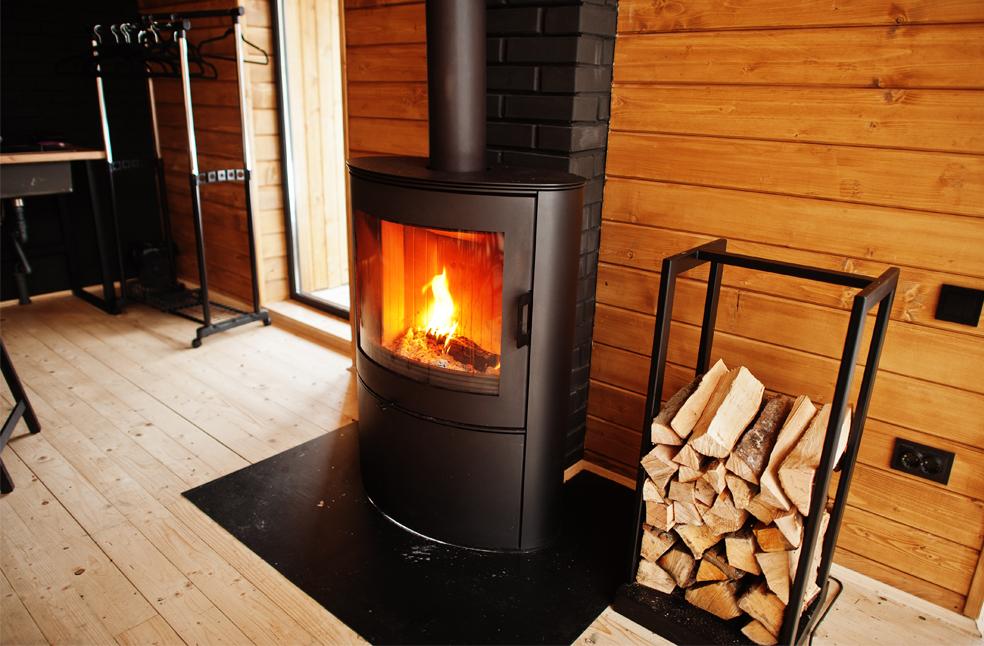
Researchers noted that lead particles continue to be detected during winter months in cities across the UK, where wood burning is common. Previously, these emissions were often linked to waste wood coated with old lead-based paint. However, the new study suggests the lead may actually originate from the wood itself.
According to the researchers, trees likely absorb lead from contaminated soil along with nutrients and water during growth. The lead then remains trapped within the tree’s tissues until the wood is burned, releasing the toxic metal into the air through smoke.
Previous studies have also indicated that both old and modern wood stoves can reach temperatures high enough for lead to become part of smoke emissions. A 2003 study conducted in rural Sweden found higher levels of lead inside homes that used wood heating compared with homes without wood-burning systems.
Henegan warned that relying on wood as an energy source is outdated and can negatively affect air quality and public health despite the nostalgic appeal often associated with wood fires.
ALSO READ | French lockdown lifted for norovirus-hit cruise ship Ambition
