


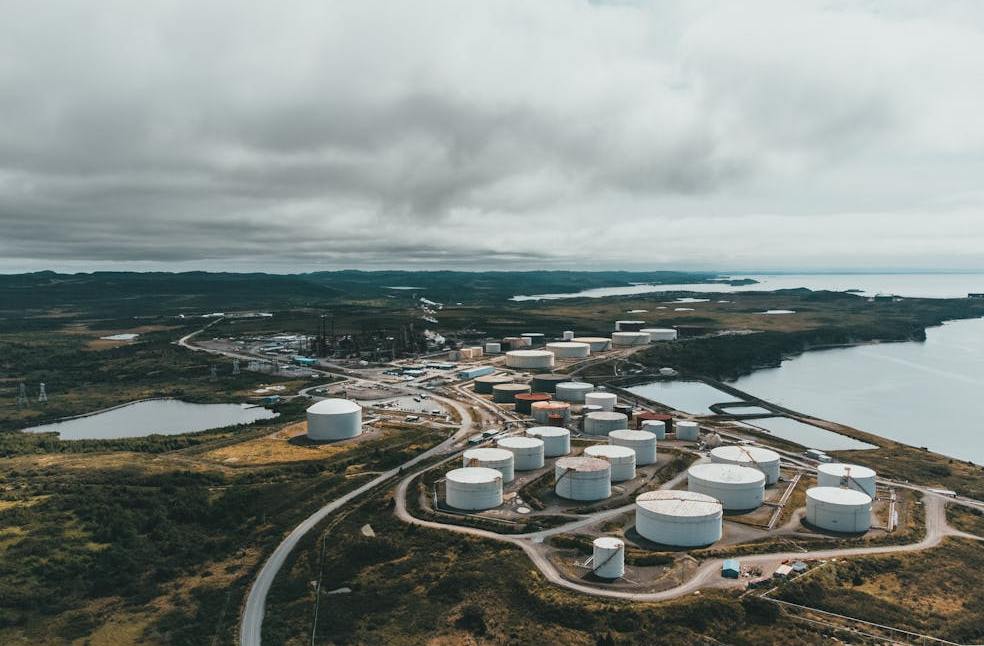
London: The worsening global energy crisis triggered by tensions in the Gulf region has highlighted how many developing countries lack sufficient oil reserves to protect themselves from severe supply disruptions and rising fuel prices.
The crisis intensified after disruptions linked to the conflict surrounding the Strait of Hormuz, through which a significant portion of the world’s oil and gas supplies normally pass.
While industrialised countries have relied on large emergency stockpiles to stabilise markets, many nations across the Global South remain heavily exposed due to limited fuel reserves and financial constraints.
The International Energy Agency requires member countries to maintain oil reserves equivalent to at least 90 days of imports. However, many developing economies fall far below that benchmark.
Countries including Pakistan, Bangladesh and Indonesia have recently acknowledged that their current reserves cover only a few weeks of fuel demand.
Experts say poorer countries often struggle to build strategic stockpiles because they face competing economic pressures such as debt payments, food imports, energy subsidies and currency shortages.
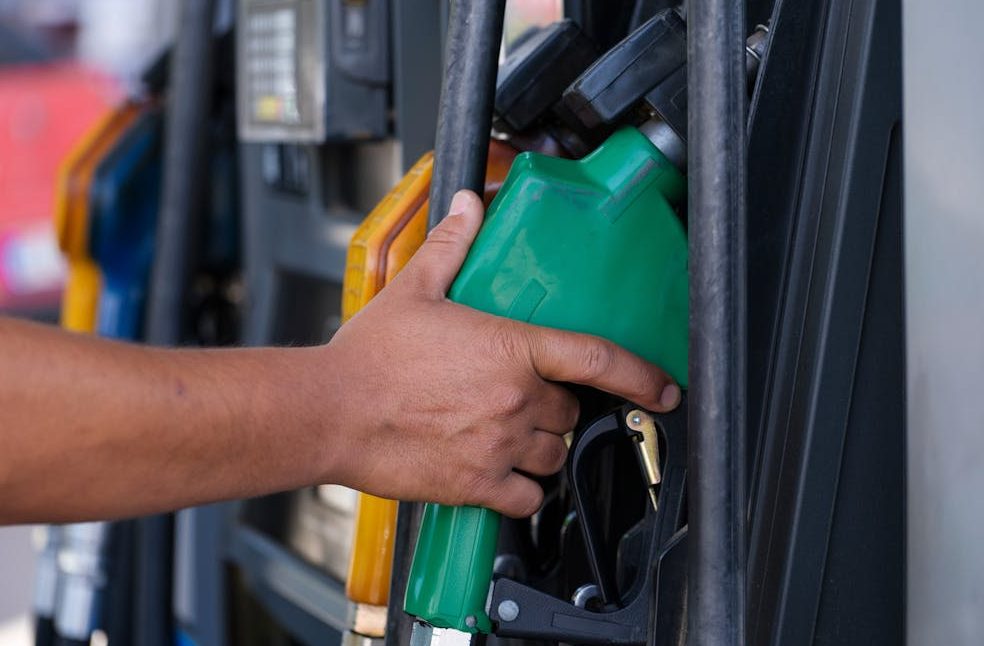
Analysts also warned that limited refining capacity, weak energy infrastructure and electricity grid failures further increase the vulnerability of developing economies during energy crises.
The crisis has renewed debate about whether the current global energy security system adequately represents developing countries, especially since the International Energy Agency primarily represents industrialised economies.
Large economies outside the IEA framework, including China and India, maintain significant oil reserves and increasingly influence global energy markets.
Energy experts believe the latest crisis could push developing countries to seek greater involvement in global energy management systems or create stronger regional cooperation mechanisms.
Some analysts argue that long-term energy security for developing economies will depend on accelerating investments in renewable energy and reducing reliance on imported fossil fuels.
The crisis has also strengthened calls for reforms to international energy coordination systems to better protect vulnerable economies from future global supply shocks.
IMPORTANT | Hantavirus cases confirmed after deadly cruise ship outbreak
