



The humble power nap has emerged as a surprisingly effective tool for maintaining energy, focus, and overall well-being. Far from being a sign of laziness, short naps, typically lasting between 10 and 30 minutes, are increasingly backed by science as a smart strategy to recharge both body and mind.
What is a power nap?
A power nap is a brief period of sleep taken during the day, designed to restore alertness without leaving you groggy. Unlike longer naps that can lead to sleep inertia (that heavy, disoriented feeling upon waking), power naps are carefully timed to keep you in the lighter stages of sleep. This ensures you wake up refreshed rather than sluggish.
Why power naps work
The effectiveness of power naps is rooted in how the brain processes fatigue. As the day progresses, adenosine, a chemical that promotes sleepiness, builds up in the brain. A short nap helps reduce these levels, improving alertness and cognitive performance.
Research from organizations like NASA has even shown that a 20–30 minute nap can enhance performance by up to 34 percent and alertness by 54 percent, particularly in high-demand professions.

Key benefits
- Boosts Productivity
A quick nap can significantly improve concentration, problem-solving ability, and memory retention, making it a valuable tool for students and professionals alike. - Enhances Mood
Sleep deprivation often leads to irritability. A short nap can reset your emotional state, helping you feel calmer and more positive. - Improves Physical Health
Regular napping has been linked to reduced stress levels and may even support heart health by lowering blood pressure. - Increases Creativity
Many people report bursts of creativity after a nap, as the brain processes information and forms new connections during rest.
Is there an age limit?
There’s no strict age limit for power naps, but how they’re used varies. Children need longer naps for development, while teens can benefit from short naps to offset sleep loss.
For adults, 10–30-minute naps help boost focus and productivity. Older adults may also benefit, though shorter, earlier naps are best to avoid disrupting nighttime sleep. Overall, it’s not about age, but timing and duration.

The ideal nap formula
Timing is everything when it comes to effective napping:
- Duration: 10–20 minutes is ideal for a quick energy boost
- Time of day: Early to mid-afternoon (around 1–3 PM) aligns with the body’s natural circadian dip
- Environment: A quiet, dimly lit space enhances sleep quality
- Consistency: Napping at the same time daily can help regulate your internal clock
Common mistakes to avoid
While power naps are beneficial, they can backfire if not done correctly:
- Napping too long: Leads to grogginess and disrupts nighttime sleep
- Napping too late: Can interfere with your regular sleep cycle
- Using naps as a substitute for poor sleep: They should complement, not replace, a full night’s rest
Power naps in modern culture
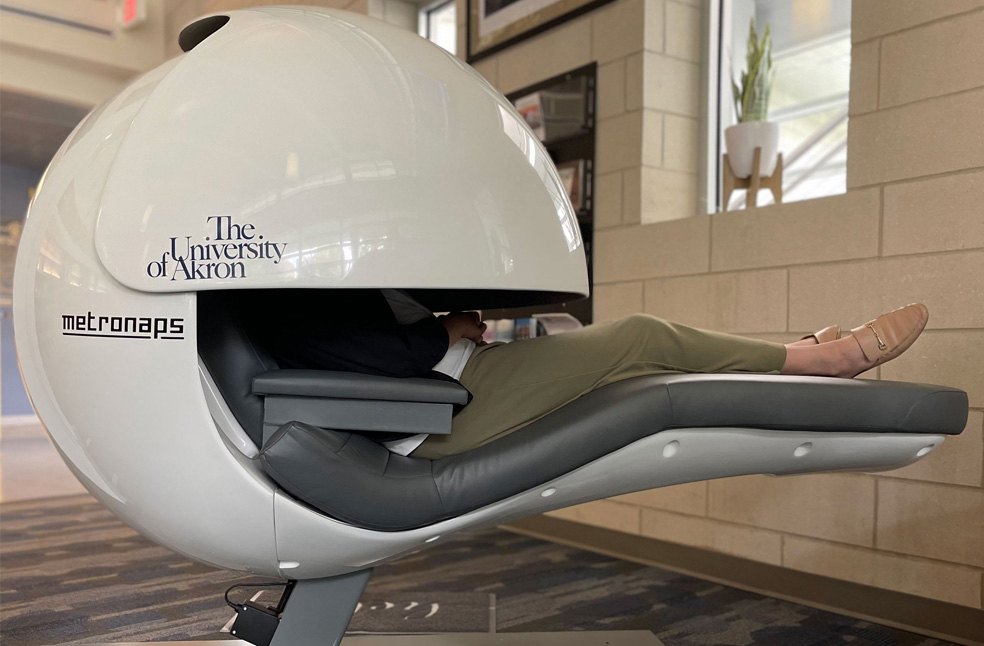
From corporate nap pods to wellness-driven office design, the perception of napping has undergone a notable transformation. Once seen as unprofessional, short daytime rest is now increasingly viewed as a performance-enhancing habit, especially in high-pressure, innovation-led industries.
Forward-thinking companies like Google and Nike have incorporated nap-friendly spaces into their campuses, including dedicated quiet rooms and energy pods. These setups are not just perks but part of a broader workplace strategy focused on cognitive performance, employee satisfaction, and burnout prevention.
In some offices, nap pods are equipped with timers, ambient sound controls, and ergonomic designs to optimise short rest periods without disrupting workflow.
Power naps are a simple yet powerful way to enhance daily performance and well-being. In just a few minutes, they can restore energy, sharpen focus, and improve mood, making them a practical solution in today’s demanding lifestyles. When used wisely, a short nap isn’t an indulgence; it’s an investment in better living.
POPULAR | Emojis in Every Message: Habit or new digital language?
