


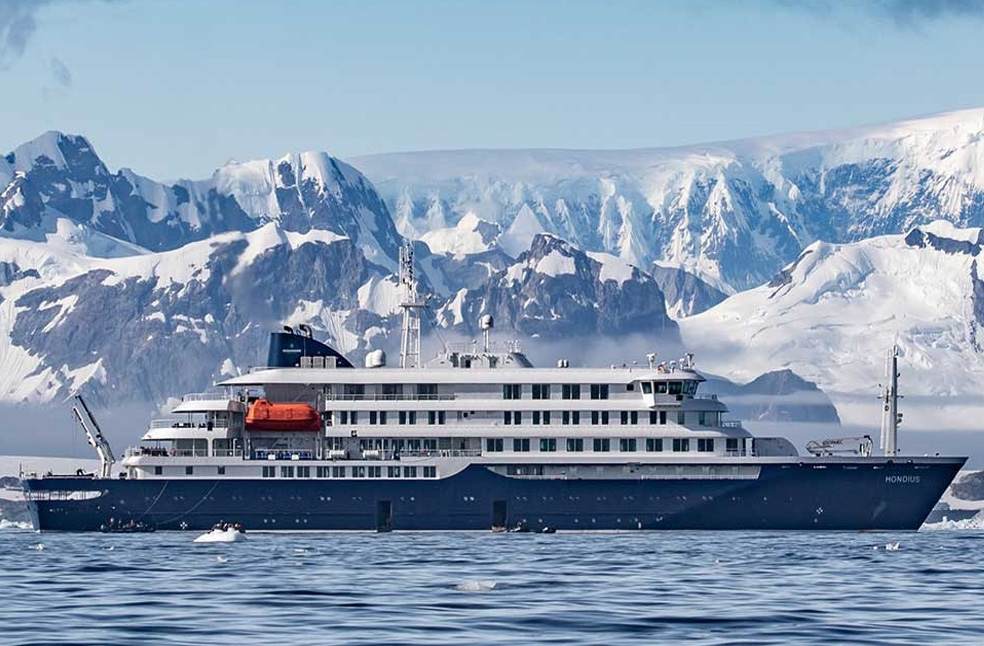
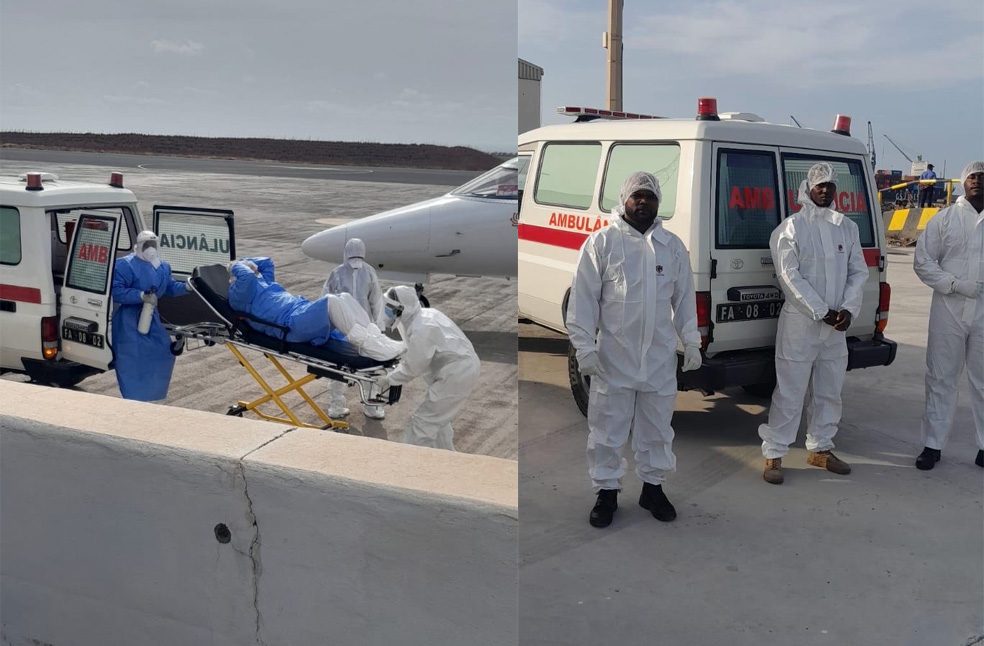
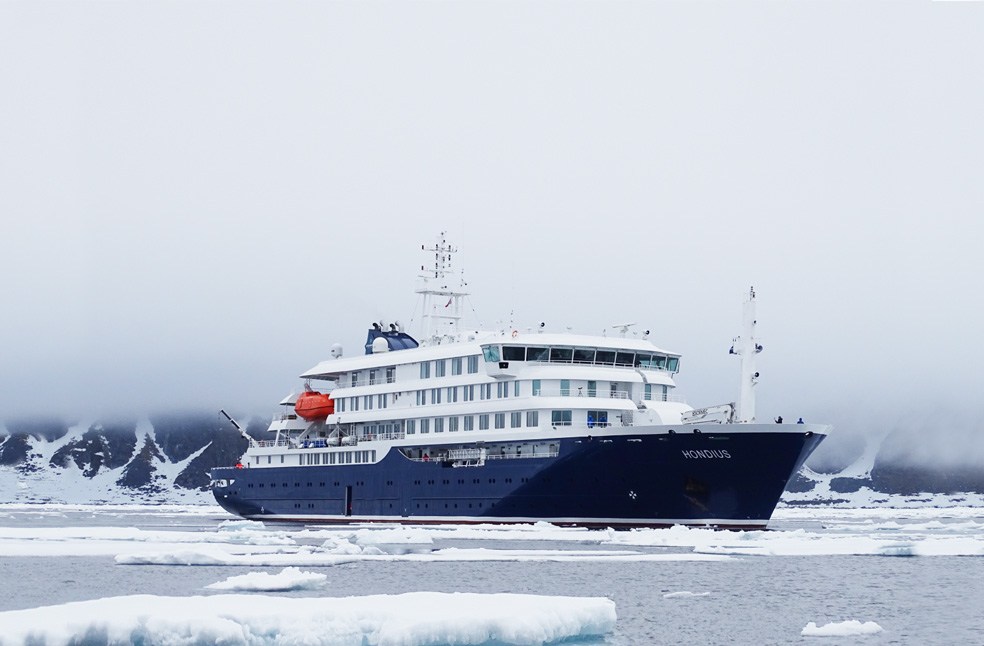
Canary Islands: Two passengers in serious condition evacuated from the cruise ship MV Hondius have arrived in the Netherlands for medical treatment following a confirmed hantavirus outbreak on board, according to operator Oceanwide Expeditions.
A third passenger in stable condition was also due to be evacuated, although the flight carrying the individual was delayed. The vessel is currently sailing toward the Canary Islands after remaining anchored for three days near Cape Verde off the west coast of Africa.
The three evacuated individuals are British, Dutch, and German nationals. Oceanwide Expeditions said that the 65-year-old German evacuee had been closely associated with a German woman who died aboard the ship on 2 May.
Several media reports identified the British evacuee as Martin Anstee, a 56-year-old former police officer, who is understood to be receiving treatment in stable condition in the Netherlands. A 41-year-old Dutch crew member was also among those evacuated.
Three people aboard the vessel have died since the ship departed from Argentina approximately one month ago. Health authorities in the US states of Georgia and Arizona confirmed they are monitoring three passengers who had previously disembarked and returned to the United States.
Officials stated that all three individuals are currently asymptomatic. The World Health Organization (WHO) also confirmed that a man who travelled back to Switzerland after leaving the ship tested positive for hantavirus and is receiving treatment at a hospital in Zurich.
According to the WHO, the passenger sought medical attention after responding to a notification email sent by the ship’s operator regarding the outbreak. A total of 146 people from 23 countries remain aboard the MV Hondius under strict precautionary measures. WHO said that eight hantavirus cases linked to the ship have been identified so far, including three confirmed and five suspected infections.
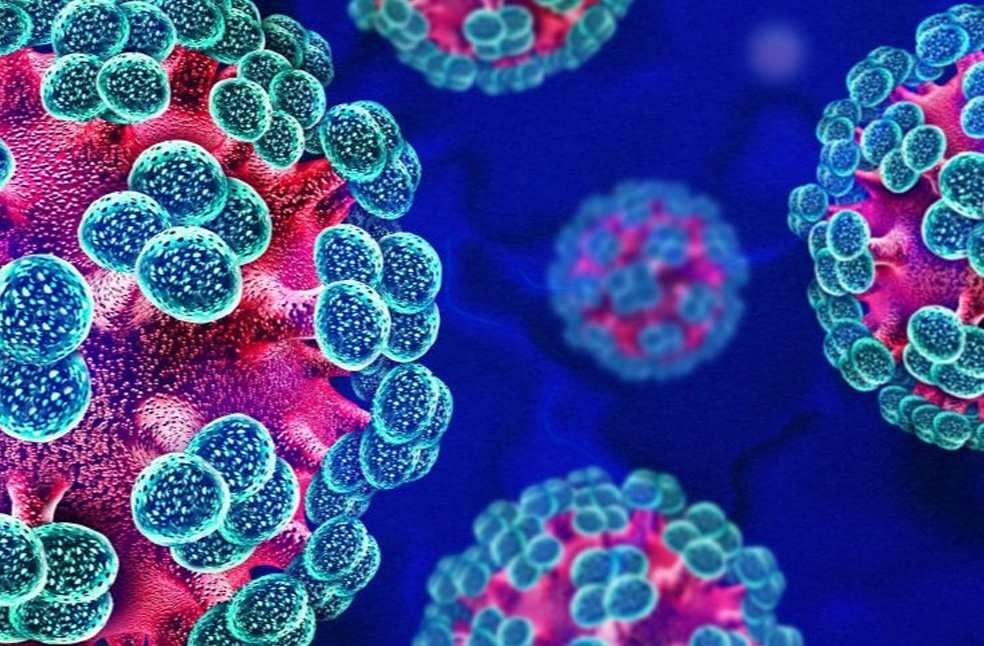
South African health authorities confirmed that the Andes strain of hantavirus, commonly found in Latin America, where the cruise originated, was detected in two confirmed patients after testing by the National Institute for Communicable Diseases.
The Andes strain is notable because experts have previously observed limited human-to-human transmission during earlier outbreaks. South African authorities said contact tracing efforts remain ongoing. Officials confirmed that one of the deceased passengers had tested positive for the virus, while investigations continue into the causes of the other two deaths.
Among the fatalities was a Dutch woman who disembarked from the ship at Saint Helena on April 24 before travelling to South Africa, where she later died on April 26. Her husband had previously died aboard the ship on 11 April, but was not confirmed as a hantavirus case.
Health authorities are also tracing contacts linked to flights taken by the Dutch woman. KLM Royal Dutch Airlines confirmed she briefly boarded a flight from Johannesburg to Amsterdam on April 25 before airline staff decided she was too ill to continue travelling.
The third death involved a German woman who died aboard the ship and whose body remains on board. Her case has not yet been confirmed as hantavirus-related. None of the three medically evacuated individuals had tested positive for hantavirus at the time of reporting, although two were displaying symptoms associated with the disease.
The UK Health Security Agency confirmed that two British nationals who had left the ship earlier in the voyage were self-isolating at home in the UK following possible exposure. Neither individual has developed symptoms.
Oceanwide Expeditions previously stated that the ship was carrying 19 British passengers and four British crew members. Health experts believe the virus may have spread through close human contact on board, although hantavirus is typically transmitted through contact with rodents or their droppings. Authorities stressed that testing is continuing and that the risk of wider public transmission remains low.
The vessel departed the waters near Cape Verde and is now heading toward Tenerife in the Canary Islands after Spanish authorities approved the transfer. Upon arrival, all passengers are expected to undergo medical assessments. International travellers deemed fit to travel will be repatriated to their home countries, while Spanish nationals will be transferred to a defence hospital in Madrid for quarantine.
Health officials emphasised that hantavirus transmission differs significantly from viruses such as COVID-19 and influenza, with infection generally linked to close physical contact rather than casual exposure.
RELATED POST | Hantavirus outbreak suspected on cruise ship with 3 dead
