


San Francisco: Microsoft is reportedly exploring acquisitions of artificial intelligence startups as the tech giant prepares for a future that may rely less heavily on its long-standing partnership with OpenAI, according to sources familiar with the matter.
The potential deals are aimed at strengthening Microsoft’s AI talent pool and advancing its goal of developing a cutting-edge AI model by next year. Sources said the company has been actively evaluating startups that could enhance its artificial intelligence capabilities as competition in the sector intensifies.
Earlier this year, Microsoft reportedly considered acquiring AI coding startup Cursor. However, the company ultimately decided against pursuing the deal due to concerns that regulators could scrutinise the acquisition because of Microsoft’s existing ownership of GitHub Copilot.
Microsoft is also said to be in talks with Inception, a startup founded in mid-2024 by a team from Stanford University that focuses on an alternative approach to building large language models. Microsoft’s venture arm M12 previously invested in Inception’s $50 million seed funding round in late 2025.
People familiar with the discussions said negotiations remain ongoing and may not necessarily lead to an acquisition. Inception declined to comment on the matter.
The company’s interest comes amid a rapidly heating AI market where top researchers can command compensation packages worth tens of millions of dollars, while startup valuations continue to surge as investors race to secure stakes in promising AI technologies.
Microsoft is also facing growing competition from other major technology players, particularly SpaceX, which acquired xAI earlier this year. Shortly after Microsoft stepped away from Cursor, SpaceX announced a partnership with the startup.
Sources added that SpaceX also pursued Inception, which has reportedly hired a bank to assist in negotiating a potential deal. The startup is said to be seeking a valuation exceeding $1 billion.
One of the major challenges facing Microsoft is catching up with frontier AI laboratories such as OpenAI, which are developing increasingly sophisticated models. Researchers say some of the most advanced systems are now approaching 10 trillion parameters, compared with around 1 trillion parameters just three years ago.
Inception’s technology differs from conventional AI systems by using a diffusion-based approach to generate text. Unlike standard models that produce one token at a time, diffusion models generate and refine multiple tokens simultaneously, potentially enabling significantly faster output speeds.
However, AI researchers note that diffusion methods can be unpredictable, and it remains uncertain whether they can scale effectively to support extremely large AI models.
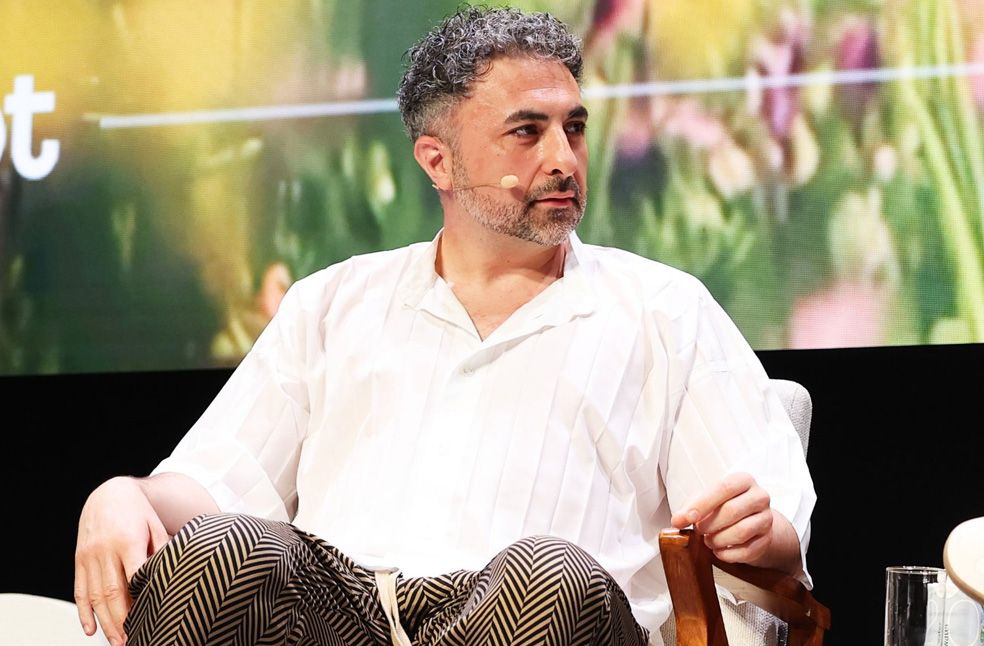
Any acquisition would complement Microsoft’s existing AI efforts, including projects led by Mustafa Suleyman, according to sources familiar with the company’s strategy.
Microsoft and OpenAI have maintained a close partnership since 2019, when Microsoft invested $1 billion in the then-emerging AI research company. The release of ChatGPT in late 2022 strengthened Microsoft’s position as a leading AI player and significantly boosted growth in its Azure cloud computing business.
Microsoft has so far provided $11.8 billion of its pledged $13 billion investment in OpenAI, according to an April 29 securities filing.
The original partnership agreement gave Microsoft exclusive access to OpenAI’s technology while ensuring OpenAI had access to the computing power needed for research. Over time, however, tensions reportedly emerged as OpenAI’s growing demands exceeded Microsoft’s available resources, while Microsoft was restricted from developing competing foundation models under the agreement.
Sources said the companies have revised their contract several times. A late-2025 amendment reportedly allowed Microsoft to pursue artificial general intelligence development, while a separate agreement reached in late April granted OpenAI greater flexibility to collaborate with Microsoft competitors such as Amazon.
ALSO READ | Noam Bettan secures Eurovision final spot for Israel
