



Geneva: The UN Women has raised alarm over the growing and increasingly complex forms of online violence targeting women in public life, highlighting how artificial intelligence is amplifying abuse and making it more accessible to perpetrators.
According to a new report, female activists, journalists, and public figures are facing heightened risks driven by a combination of AI tools, online anonymity, and insufficient legal protections.
The findings reveal that among more than 1,500 women surveyed, 6 percent reported being victims of deepfake content, nearly one-third experienced unsolicited sexual advances online, and around 12 percent had images shared without their consent, including intimate material.
The report indicates that digital platforms are becoming increasingly hostile spaces, where abuse is not only more frequent but also more sophisticated. Emerging technologies, including generative AI, are being misused to create manipulated or explicit content, further intensifying the scale and impact of online harm.
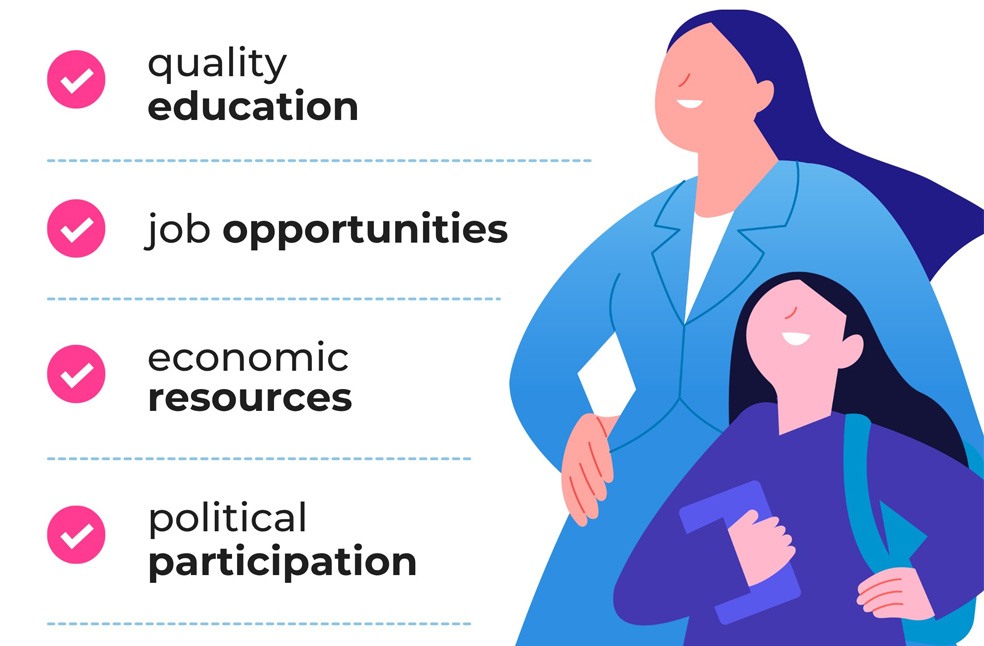
It also highlights a broader trend in which women are often forced to choose between maintaining an online presence and facing harassment, or withdrawing from digital spaces altogether, potentially affecting their professional and personal lives.
This dynamic is contributing to reduced participation of women in public discourse. The findings suggest that such developments are part of a wider pattern linked to rising authoritarian tendencies, democratic challenges, and the growth of coordinated misogynistic networks online.
These networks, often amplified by platform algorithms, contribute to the spread of harmful content and the suppression of women’s voices in public spaces. Recent incidents have brought attention to the scale of the issue, including the misuse of AI tools to manipulate images and generate explicit content without consent.
The report underscores how such practices can have serious real-world consequences, including impacts on mental health and safety.
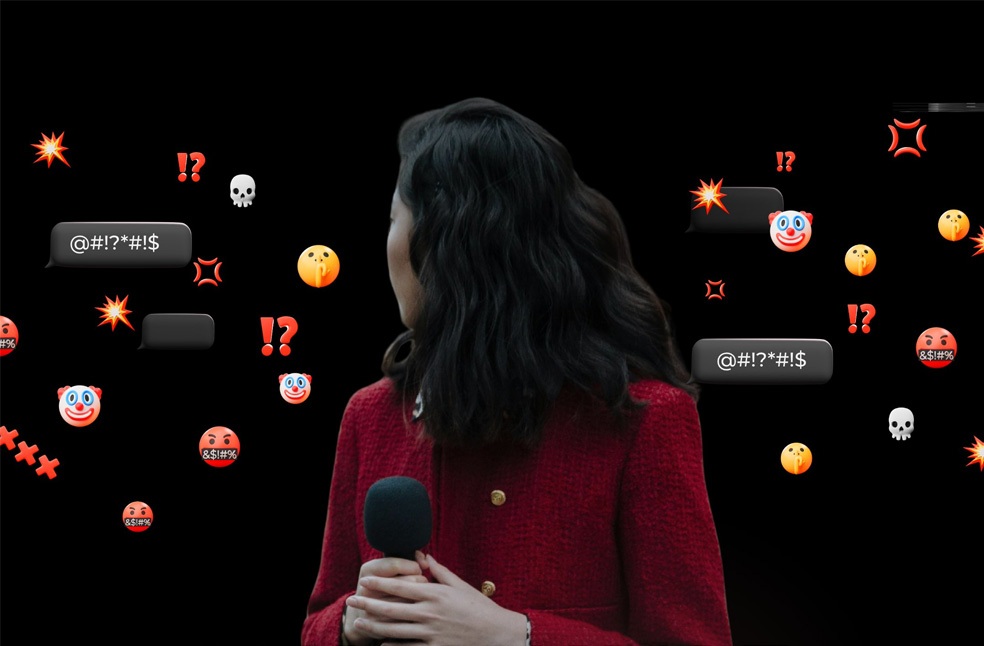
Survey data shows that approximately 25 percent of female journalists and media workers reported experiencing anxiety or depression linked to online abuse, while nearly 13 percent indicated symptoms associated with post-traumatic stress disorder.
Concerns over harassment have also led many to limit their engagement, with 45 percent of female journalists reporting self-censorship on social media and nearly 22 percent doing so in their professional work.
The report calls for stronger action from both technology companies and governments. It emphasizes the need for improved safeguards, effective reporting mechanisms, and legal frameworks, noting that fewer than 40 percent of countries currently have laws addressing cyber-harassment or cyberstalking against women.
Overall, the findings warn that failure to address these challenges could reverse progress made in gender equality, creating long-term consequences for women’s participation in public and digital life.
ALSO READ | Premier Inn announces 3,800 job cuts due to rising costs
