


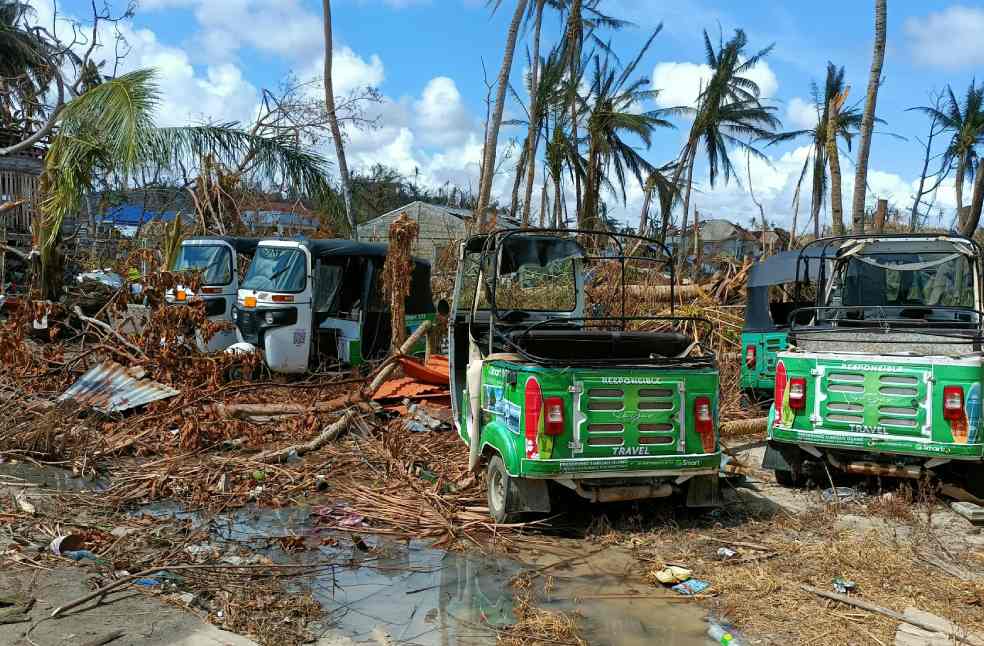
Uttar Pradesh: A powerful storm swept across Uttar Pradesh, leaving nearly 90 people dead and causing widespread destruction in several districts of India’s most populous state.
Officials said the storm struck on May 13 with heavy rain, lightning, hail and powerful winds, creating dangerous conditions across urban and rural areas alike. Authorities confirmed that at least 89 people lost their lives in weather-related incidents linked to the storm.
Many of the deaths were reportedly caused by collapsing walls, uprooted trees and lightning strikes as strong winds tore through towns and villages. Local media footage showed damaged vehicles, fallen billboards and debris scattered across roads after the intense weather system passed through the region.
Residents described scenes of panic as dust storms and high winds reduced visibility and damaged roadside structures. In some places, market stalls and temporary shelters were blown away by the force of the storm.
Emergency officials said damage assessments were ongoing in affected areas while local authorities monitored the situation for additional risks. Rescue and relief teams were also deployed in several districts to assist injured residents and clear blocked roads.
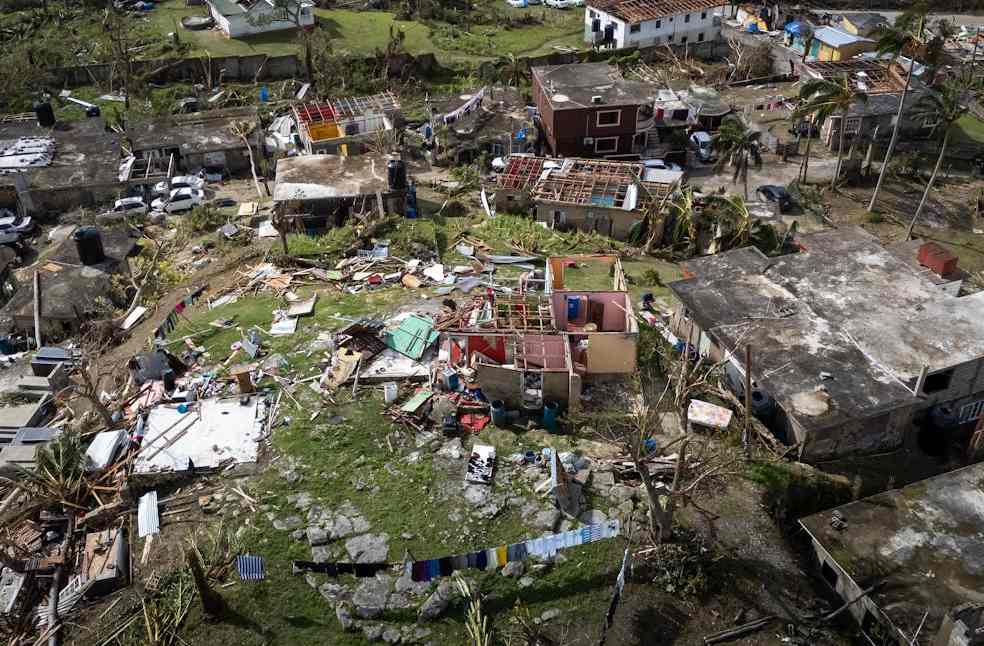
Severe storms are relatively common across northern India during the hot pre-monsoon season between March and June. However, officials noted that the latest storm caused unusually high casualties and significant structural damage in parts of Uttar Pradesh.
The extreme weather comes as several parts of India continue to experience unpredictable climate conditions, including intense heatwaves, sudden storms and heavy rainfall events.
Weather experts have repeatedly warned that climate change could increase the frequency and severity of such extreme weather patterns across South Asia, placing millions of people at greater risk.
Authorities have urged residents in vulnerable areas to remain cautious as further weather disturbances remain possible in the coming days. Government officials have not yet announced the full extent of the damage or details of compensation measures for affected families.
The disaster has once again highlighted the challenges faced by densely populated regions in preparing for and responding to increasingly severe weather events.
WE RECOMMEND | India fuel concerns prompt Modi to cut motorcade
