


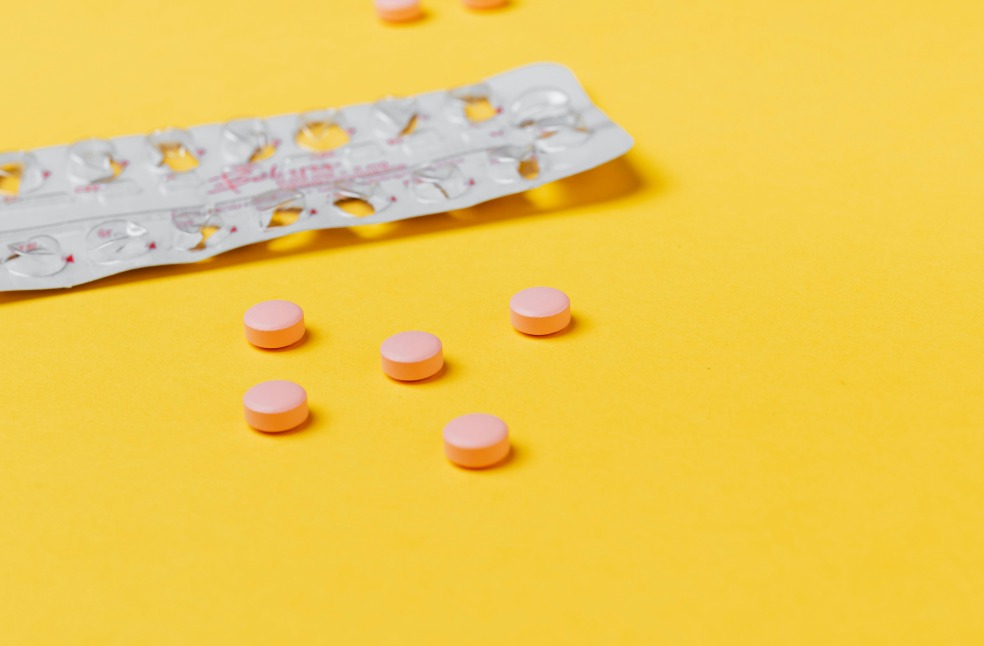
Washington: The Supreme Court of the United States has ruled that the abortion pill Mifepristone can continue to be distributed by mail while an ongoing legal battle over access to the drug moves through the courts.
In an emergency order issued, the court temporarily blocked lower court restrictions that would have required patients to obtain the medication in person. The decision keeps current access rules in place as litigation continues, with a final ruling potentially expected next year.
The case centres on mifepristone, the first drug in a two-pill regimen approved by the US Food and Drug Administration for terminating pregnancies. The medication has become the most commonly used abortion method in the United States, particularly in states where surgical abortion access is heavily restricted or banned.
Two manufacturers of the drug had appealed to the Supreme Court after a lower appeals court temporarily reinstated in-person dispensing requirements earlier this month. That ruling came in response to a lawsuit filed by the state of Louisiana, which argued that mailing abortion pills undermined the state’s abortion ban.
FDA is committed to protecting the health and safety of women. The Supreme Court’s order, issued today, maintains the status quo with respect to the REMS governing mifepristone. The FDA will press forward to complete its science-based safety review of the mifepristone REMS and,…
— U.S. FDA (@US_FDA) May 14, 2026
Louisiana officials claimed that allowing nationwide delivery of Mifepristone interfered with the state’s policy recognising unborn children as legal persons from conception.
The Supreme Court’s unsigned order did not include an explanation, a common feature of decisions issued through the court’s emergency docket. However, conservative justices Clarence Thomas and Samuel Alito dissented from the decision.
In his dissent, Thomas argued that because mailing mifepristone is illegal under Louisiana law, drug manufacturers should not be allowed to block enforcement of the lower court order based on financial interests.
The FDA first expanded access to mifepristone during the Covid-19 pandemic in 2021 by suspending the requirement for in-person medical visits. In 2023, the agency permanently authorised distribution of the medication through telemedicine consultations and mail delivery.
The legal dispute comes amid continued fallout from the Supreme Court’s 2022 decision overturning Roe v. Wade, which had guaranteed constitutional abortion rights in the US for nearly five decades. That landmark ruling allowed individual states to introduce their own abortion restrictions or bans.
Since then, more than 20 US states have enacted laws limiting or banning abortion access, leading to growing legal battles over reproductive healthcare and the availability of abortion medication nationwide.
Last year, the Supreme Court unanimously rejected a separate attempt to restrict access to mifepristone, although the latest case indicates that challenges over abortion medication are likely to continue in the coming years.
RELATED | US court restricts abortion pill Mifepristone access by mail
