


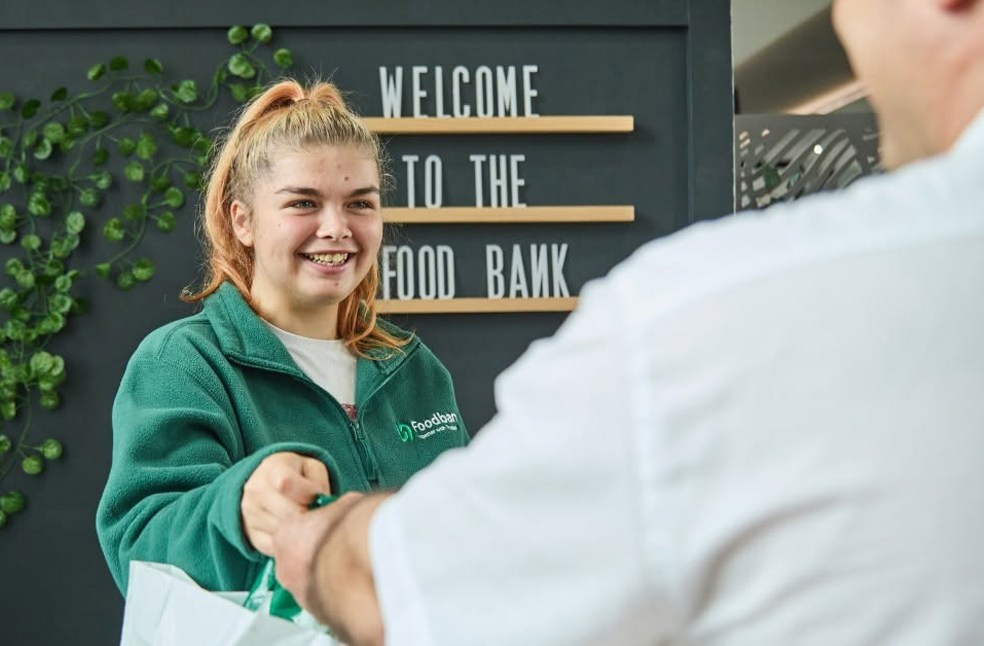
London: Food banks across the UK are facing critically low donation levels ahead of winter, with rising demand, increasing operating costs and declining supplies putting pressure on emergency food assistance services, according to a new report by charity Trussell.
The charity reported that 43 percent of its food banks had classified their donation levels as critical as they prepare for their busiest period of the year. Trussell expects to distribute more than 600,000 emergency food parcels during the winter months, equivalent to one parcel every 12 seconds.
Two in five food banks in its network said preparing for this winter had been more difficult than in previous years, citing falling donations, rising costs and persistently high demand.
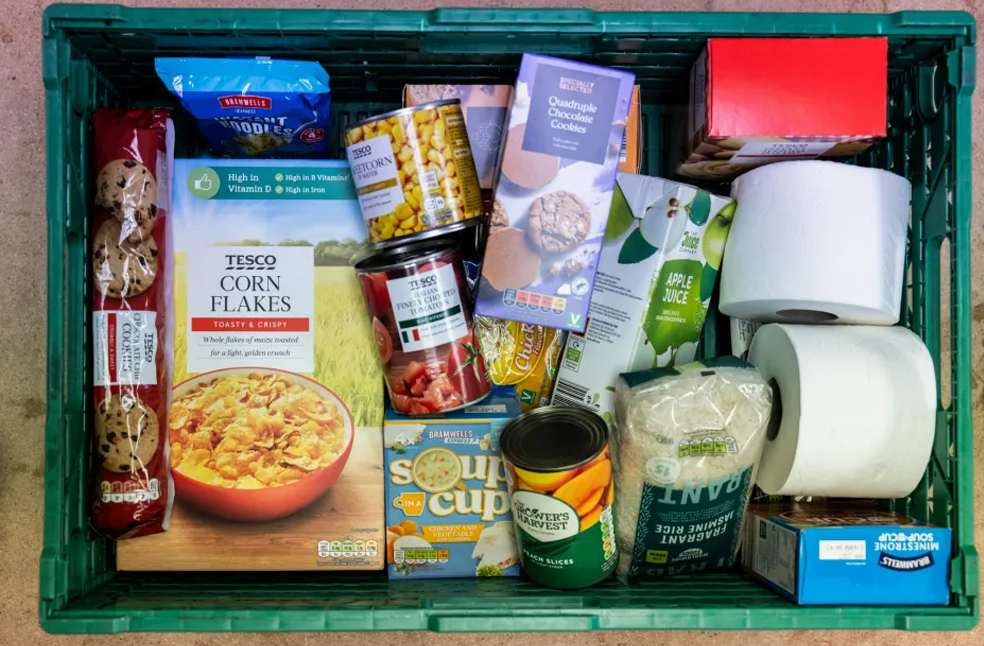
The charity warned that food banks were increasingly having to purchase supplies to maintain emergency assistance after donations fell by 40 percent last winter compared with the same period in 2022.
Food banks purchased nearly 5,900 tonnes of food in 2025, equivalent to the weight of around 500 double-decker buses. This was more than four times the volume purchased in 2021, with food banks spending millions of pounds to keep their shelves stocked.
The purchases accounted for a quarter of all the supplies needed to support people in local communities, adding to the financial pressure on food banks.
Emma Revie, co-chief executive of Trussell, stated that many people were being forced to skip meals, go without heating and sit in darkness because they could not afford essential expenses. She described food banks as a lifeline for people experiencing hunger and hardship, while stressing that they should not have to exist in the first place.
Revie encouraged people who can afford to help to donate food or money this winter to ensure those facing hardship receive emergency assistance and practical support. Trussell also advised donors to check their local food bank’s website before contributing to identify the items most urgently needed.
ALSO READ | Fast-moving Leonid meteors set to light up night skies
