



Washington: The United States has introduced new restrictions on exports of advanced semiconductor chips to several countries to prevent Chinese artificial intelligence (AI) developers from bypassing existing technology controls through overseas data centres.
Announced by the US Bureau of Industry and Security (BIS), the new rule targets remote access to advanced computing facilities in third countries, particularly in Southeast Asia. It identifies Indonesia, Malaysia, Singapore, Thailand and Brazil as locations posing an unacceptable risk of diversion and requires exporters to obtain a licence before shipping advanced chips to these destinations.
The BIS, which operates under the US Department of Commerce, described the measure as a logical extension of existing export restrictions covering advanced chips supplied to Chinese companies. The move is intended to prevent Chinese AI developers from accessing restricted computing capabilities through facilities located outside China.
In a statement, the agency stated that the United States remained committed to expanding the global adoption of American technology for legitimate commercial purposes while ensuring that sensitive technologies were not used in ways that could threaten national security.
The announcement comes with growing scrutiny of Nvidia’s international chip exports following allegations of an espionage scandal involving the company’s former chief executive, Jensen Huang. Reports citing unnamed US officials have claimed that Huang was romantically involved with a woman allegedly recruited by China’s Ministry of State Security for espionage activities.
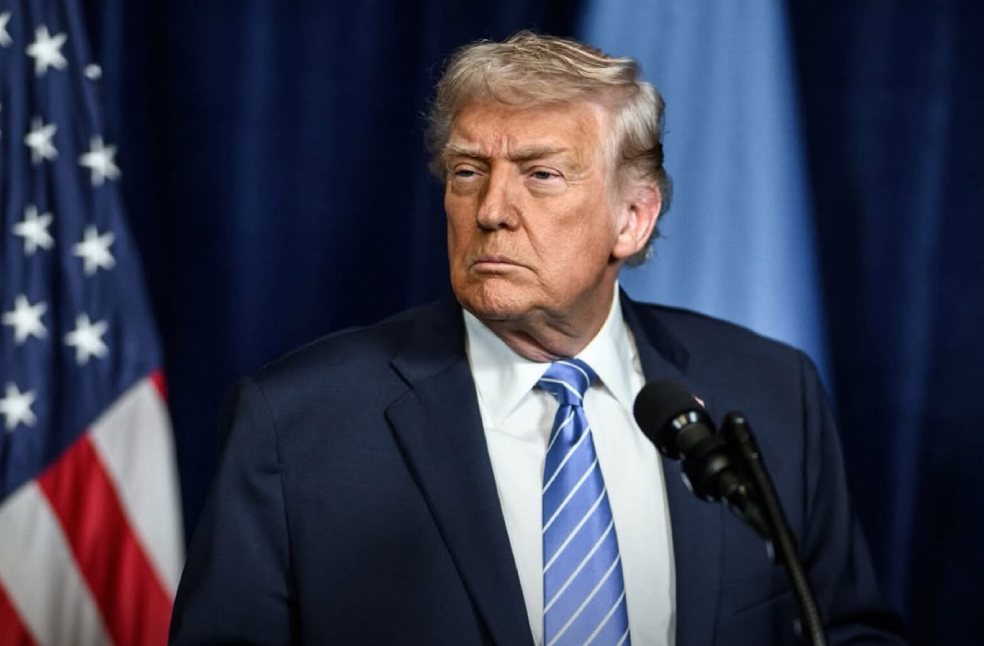
Huang, one of the most prominent figures in the global AI industry, reportedly resigned last week following a company board investigation into the allegations. Alice Huang, a former Megaspeed executive identified in connection with the claims, has not publicly commented on the matter.
Beijing has strongly rejected the allegations, describing them as baseless speculation intended to damage China’s reputation. Meanwhile, uncertainty surrounding the technology sector weighed heavily on global financial markets. US technology stocks recorded significant losses, with the Nasdaq Composite declining 2.49 percent to mark its third consecutive session in negative territory. The S&P 500 also fell 1.92 percent.
Nvidia shares dropped 4.12 percent, extending a decline that has reportedly erased more than 30 percent of the company’s market value over the past month. Other major technology companies also ended the session lower, with Alphabet falling 4.07 percent and Amazon declining 3.34 percent.
The negative sentiment extended to Asian markets. Japan’s Nikkei 225 fell 0.82 percent, while South Korea’s Kospi declined 1.19 percent in morning trading as of 02:00 GMT. Hong Kong’s Hang Seng Index also recorded a 1.57 percent drop.
The latest export restrictions highlight Washington’s continued efforts to limit China’s access to advanced semiconductor technology, as competition between the two countries intensifies over artificial intelligence, computing infrastructure and technological leadership.
MOST READ | Prabowo apologises to Singapore and Malaysia over wildfire haze