


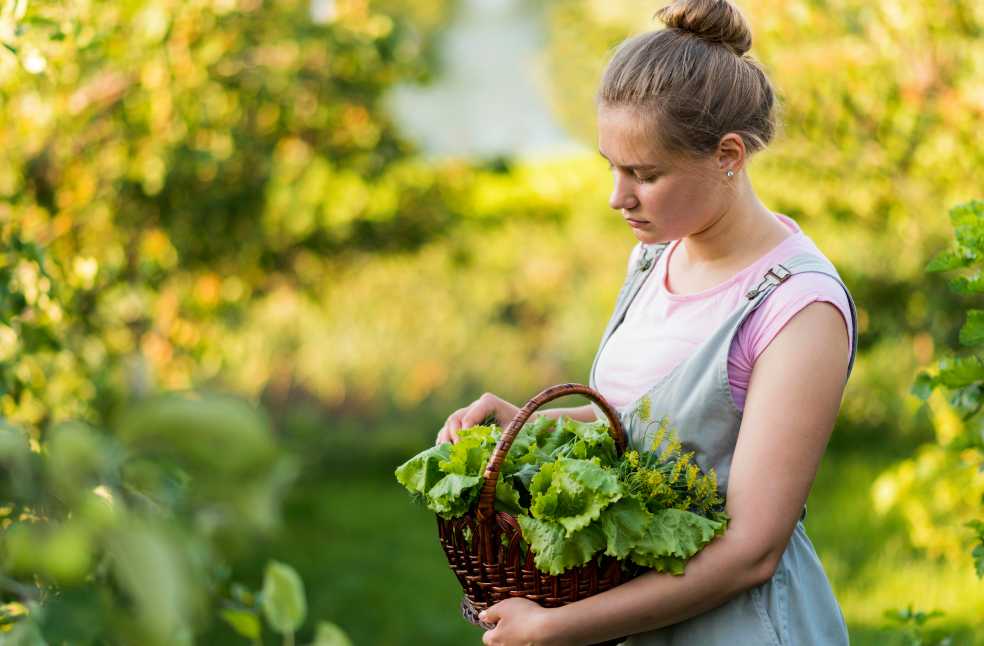
Organic farm visits are becoming an appealing travel experience for people looking to escape busy cities, reconnect with nature, and discover the origins of their food.
Imagine waking up to birdsong, walking through lush green fields, picking fresh vegetables, and enjoying a homemade breakfast prepared with ingredients harvested just a few steps away. For travellers seeking something beyond crowded tourist attractions and luxury hotels, organic farms offer a refreshing alternative.
As interest in sustainable tourism, rural experiences, and environmentally conscious living grows, agricultural tourism is attracting attention. Instead of spending holidays entirely in hotels or resorts, some travellers are choosing to explore working farms, participate in agricultural activities, and experience the simplicity of countryside life.
These visits offer more than beautiful landscapes. They provide opportunities to understand food production, discover traditional farming practices, and connect with the people who cultivate the land.
Organic Farm Visits: When agriculture meets tourism
The concept of combining agriculture with tourism is known as agritourism or agrotourism. It involves agricultural operations and activities that welcome visitors to farms, ranches, and other rural properties.
While conventional tourism often focuses on sightseeing and entertainment, agritourism introduces travellers to everyday agricultural experiences. Farm tourism includes several activities, ranging from educational tours and seasonal harvesting to overnight stays and traditional food experiences.
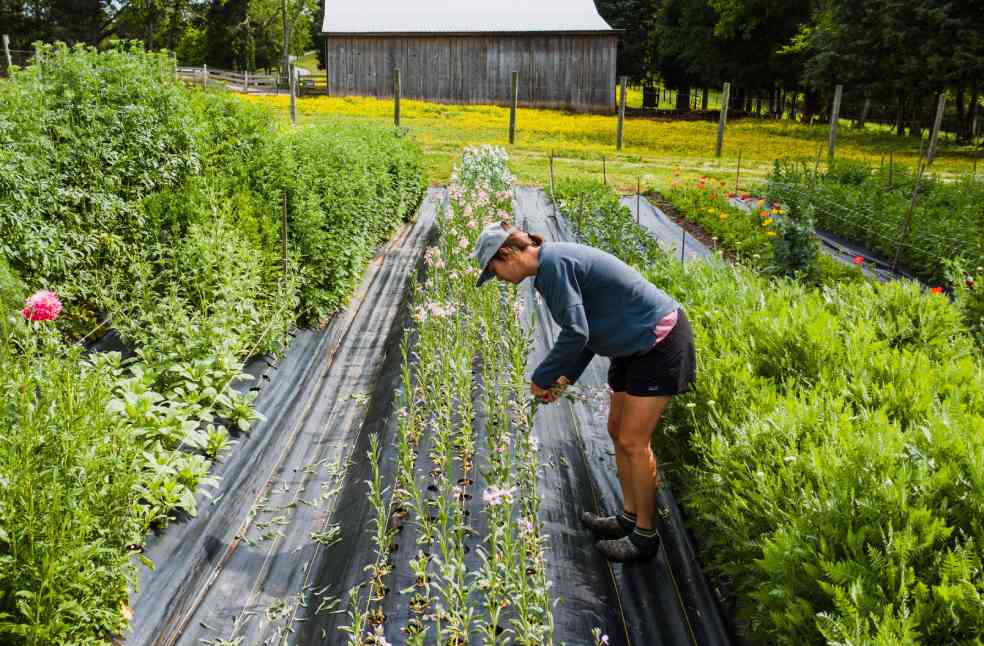
Some popular agritourism activities include:
- Farm stays: Spending a night or weekend on a working farm while experiencing rural life.
- Fruit and vegetable picking: Harvesting seasonal produce directly from orchards and fields.
- Educational farm tours: Learning about crop cultivation, organic agriculture, and traditional farming methods.
- Farm-to-table dining: Enjoying meals prepared using fresh, locally sourced ingredients.
- Harvest festivals: Participating in seasonal celebrations, cultural activities, and traditional food experiences.
- Farmers’ markets: Purchasing fresh agricultural products and handmade goods directly from local producers.
Organic farm tourism places additional emphasis on agricultural practices that support soil health, biodiversity, and ecological balance.
Why organic farm tours are becoming popular among tourists
Tourists’ interests are slowly but surely shifting away from iconic landmarks and luxury accommodations. Travellers are seeking activities that are personal, informative, and nature-focused. Visiting organic farms gives visitors the chance to experience another kind of life in which growing seedlings, harvesting vegetables, and strolling through orchards becomes part of the vacation.
For those used to working in offices, heavy traffic, and computer screens, a visit to the countryside is refreshing. Another reason why organic farm tours are becoming increasingly attractive to tourists is that families have fun and at the same time learn something. Children learn about crops, farm animals, and the significance of agriculture by themselves. What makes it interesting is its simplicity.
Organic farm visits and the farm-to-table experience
Food is one of the most interesting aspects of agricultural tourism. Organic farm visits allow travellers to experience food closer to its source, from harvesting seasonal vegetables to preparing meals using ingredients grown on the property.

Some farms organise cooking sessions where visitors learn traditional recipes alongside farmers or local cooks. These activities introduce travellers to regional food cultures while highlighting the relationship between agriculture and everyday meals.
They also encourage greater awareness of seasonal eating, locally produced ingredients, and the effort involved in bringing food from farms to dining tables. A simple meal prepared with freshly harvested produce can become a memorable part of the journey.
Learning traditional and organic farming practices
Agricultural tourism also provides opportunities for visitors to gain practical knowledge about farming. Depending on the location and season, guests may participate in planting, composting, watering crops, or harvesting vegetables.
Guided farm experiences can introduce visitors to several important agricultural practices, including:
- Composting: Turning organic waste into nutrient-rich material that supports soil fertility.
- Crop rotation: Growing different crops in planned sequences to help maintain soil health.
- Natural pest management: Using biological and other approved methods to manage agricultural pests.
- Water conservation: Exploring irrigation practices that reduce unnecessary water consumption.
- Biodiversity protection: Understanding the importance of beneficial insects, plants, and healthy agricultural ecosystems.
These experiences can inspire visitors to start home gardens, reduce household food waste, or make more informed food choices. For students and children, farms can serve as outdoor classrooms where agricultural knowledge becomes more accessible.
How agritourism can help rural communities
Agro-tourism offers an alternative source of revenue for farmers and rural areas. The earnings from agriculture are subject to various factors, including seasonality, climatic factors, and market rates. Hosting of tourists offers a chance to diversify their business without having to stop farming.
Activities such as agro-tours, accommodation of guests, workshops, and selling of produce by the farmers will generate income. There is potential that the economic activity will spread beyond the individual farmer.
Transporters, eateries, accommodation facilities, and craftspeople will all benefit if tourists visit rural areas. Through farm tourism, rural economies will receive a boost while the traditions of farming get preserved. But a well-thought-out approach is necessary so that the tourism activities do not hinder agricultural production.
Organic farm visits and the growing appeal of slow travel
The increasing interest in farm-based experiences also reflects the appeal of slow travel, which encourages travellers to explore destinations at a relaxed pace. Instead of following packed sightseeing schedules, visitors can spend time enjoying countryside landscapes, participating in farm activities, and learning about local traditions.

A typical farm holiday might involve joining farmers during morning activities, enjoying freshly prepared meals, exploring nearby natural surroundings, and spending quiet evenings away from busy urban environments.
For travellers seeking a break from constant notifications and screen time, farm stays can also offer opportunities for a digital detox. Although organic agriculture emphasises environmentally responsible farming practices, sustainable farm tourism also depends on responsible water use, waste management, transportation, and visitor activities.
The future of organic farm visits
Organic farm visits offer an interesting combination of travel, education, recreation, and cultural discovery. As travellers explore alternatives to conventional holidays, working farms have an opportunity to introduce visitors to agricultural traditions, regional food cultures, and environmentally conscious farming methods.
For farmers, tourism can provide additional income and opportunities to share their knowledge with a wider audience. Whether it involves harvesting fresh produce, learning traditional farming techniques, or enjoying a peaceful countryside stay, organic farm tourism can transform ordinary agricultural activities into memorable travel experiences.
In a world of fast-paced travel, organic farm visits offer a reminder that some of the most meaningful journeys begin not at famous landmarks, but in the quiet fields where food and traditions take root.
RELATED | Urban Gardening: How to grow fresh food in small spaces
