


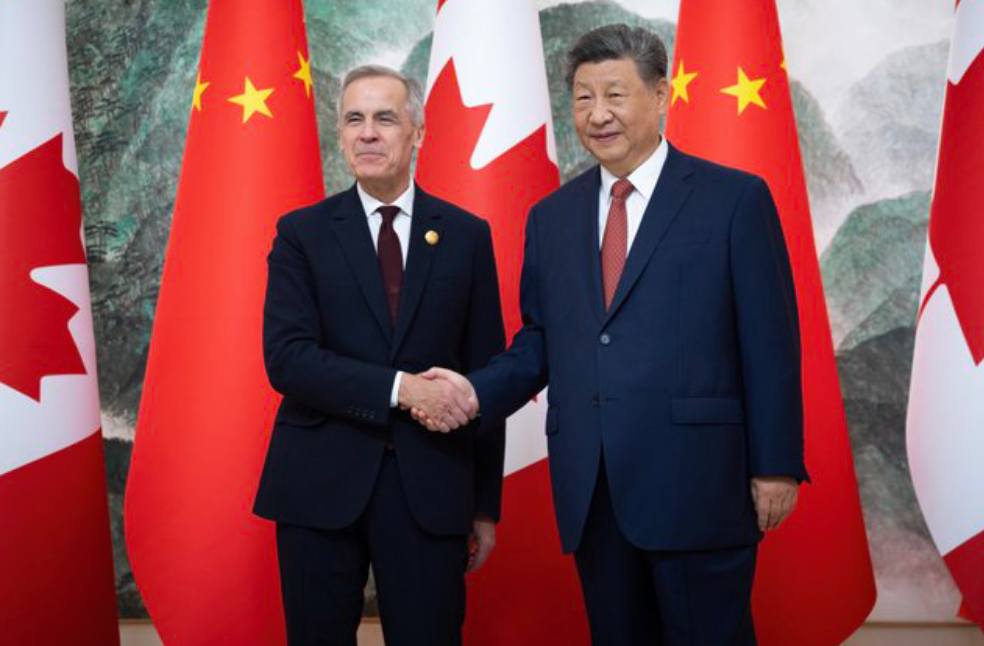
Shenzhen: China will reduce tariffs on additional Canadian exports, including pork and seafood, as the two countries move to strengthen bilateral trade relations and expand economic cooperation.
The announcement followed a meeting between Canadian Prime Minister Mark Carney and Chinese President Xi Jinping ahead of the Asia-Pacific Economic Cooperation (APEC) summit in Shenzhen. Carney welcomed what he described as greater predictability and stability in relations between the two countries, highlighting progress towards Canada’s goal of increasing exports to China by 50 percent by the end of the decade.
Carney stated that the country was already well ahead of schedule in achieving the target, which forms part of his broader economic strategy to reduce Canada’s dependence on the United States amid ongoing trade tensions and US tariffs on Canadian products.
Immediately after forming government, we made a clear decision to recalibrate Canada’s relationship with China. To date, we have restored market access for more than 90% of trade previously subject to tariffs — nearly $7.5 billion worth of Canadian exports. There is more investment, more business, and more tourism between our countries today.
Here in Shenzhen, President Xi and I are building on that success: https://t.co/X9vIBMABus
— Mark Carney (@MarkJCarney) November 17, 2026
According to a statement from Carney’s office, both leaders agreed to extend and expand a preliminary trade arrangement aimed at improving access to the Chinese market for Canadian agricultural producers and seafood exporters. Under the expanded agreement, China will provide additional tariff relief on approximately C$400 million ($280 million) worth of Canadian exports, including frozen pork cuts, fish and other seafood products.
In return, Canada has agreed to extend existing tariff remission measures for certain Chinese steel and aluminum products by two years. The measures, which were originally scheduled to expire at the end of 2026, will continue under the revised arrangement.
During the meeting, Xi highlighted the progress made since both countries agreed in January to advance their strategic partnership, noting that exchanges and cooperation across several sectors had resumed. He proposed four key areas for strengthening bilateral relations, including improving mutual understanding of each country’s development priorities, expanding cooperation in trade, energy, agriculture and finance, promoting collaboration in emerging sectors such as green technology, digital industries and e-commerce, and encouraging cultural and people-to-people exchanges.
Xi also stressed the importance of supporting the multilateral trading system, saying stronger communication and cooperation between China and Canada would benefit both countries, the Asia-Pacific region and the wider international community.
The meeting marked the third time Carney and Xi have held talks since Carney became Canada’s prime minister. Their previous discussions included a meeting on the sidelines of last year’s APEC summit in South Korea.
Further developments in economic cooperation include plans to strengthen financial ties. China’s Finance Ministry remarked that both countries welcomed steps by their central banks to implement a bilateral local currency swap agreement. They also encouraged qualified Canadian financial institutions to issue Panda bonds, which are yuan-denominated bonds sold in China’s domestic market.
Trade relations have also expanded across other sectors. Chinese automakers BYD, Geely and Chery have taken steps to enter the Canadian market after Ottawa approved annual imports of 49,000 Chinese-made vehicles at a tariff rate of 6.1 percent. The import quota is expected to increase to 70,000 vehicles over five years.
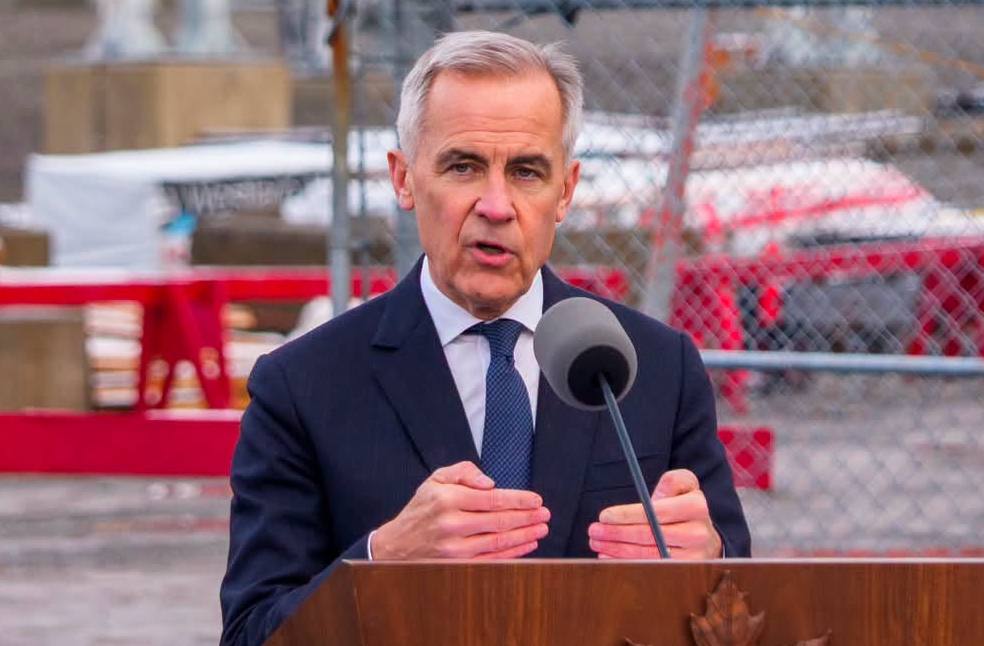
China had previously reduced tariffs on Canadian canola seed following Carney’s January visit and recently extended tariff relief for Canadian canola meal, lobsters, crabs and peas for another two years. Meanwhile, Canadian crude oil shipments to China have increased by approximately 37 percent in 2026, according to Reuters calculations based on LSEG data.
Despite the improving trade relationship, closer engagement with Beijing continues to face criticism in Canada. Security analysts and human rights organisations have raised concerns that stronger economic ties could create risks for national security and human rights. Critics have cited the imprisonment of Hong Kong pro-democracy media figure Jimmy Lai, the execution of four Canadians in China last year and Canadian intelligence findings concerning alleged Chinese interference in at least two federal elections.
Beijing has denied having any interest in interfering in Canada’s domestic affairs, even as both governments seek to expand cooperation and establish a more stable economic partnership.
MOST READ | US tightens chip export rules to restrict China’s AI access