


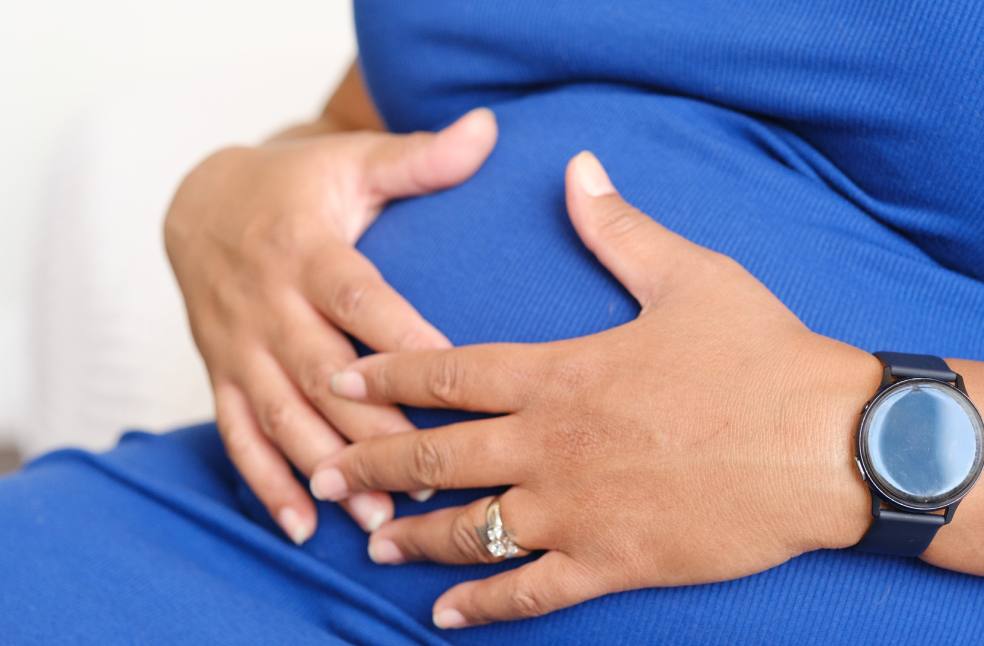
Queensland: A rare case in Queensland has seen a woman give birth to twins who have different sets of biological parents, in a situation believed to be an Australian first.
The woman, who was anonymised in a Queensland Children’s Court judgment, became pregnant naturally around the same time she underwent an IVF embryo transfer as part of a surrogacy arrangement with another couple.
Both children were born by caesarean section on the same day. One child, a girl, was biologically related to the intended parents who had arranged the surrogacy, while the other, a boy, was the biological child of the surrogate and her partner.
The unusual pregnancy began after the surrogate, identified as DZ in the judgment, agreed to carry an embryo for BNJ and DRJ. BNJ was unable to conceive naturally because she was born without a uterus. An embryo was transferred through IVF in April 2025. About two weeks later, an ultrasound showed that DZ was carrying two foetuses. Subsequent testing established that only one of the children was genetically linked to the intended parents. The second child had been conceived naturally without medical assistance.
The unusual circumstances created a legal challenge because Queensland’s surrogacy laws contain provisions concerning the parentage of twins or ‘birth siblings’. The legislation generally prevents a parentage order being made for only one child where both children are considered siblings born from the same surrogate pregnancy.
However, Judge Jodie Woodridge KC ruled that the two children were gestational twins, but did not meet the legal definition of birth siblings under the circumstances of the case. The court subsequently made an order formalising the parentage of the girl in favour of the intended parents.
Both children have been raised separately by their respective biological families since birth. An independent counselling report noted that their shared experience of being born as twins could have emotional and developmental significance throughout their lives.
The two families have said they intend for the children to grow up knowing one another and to understand their connection within the wider family network. The court also noted the importance of openness about the girl’s origins and parentage as she grows older.
The case highlights the unusual legal and family circumstances that can arise from assisted reproduction and surrogacy arrangements, particularly when a natural conception occurs alongside an IVF pregnancy.
POPULAR | Deadly fire at Pakistan hospital kills 14 newborn babies
