



In June and July 2026, more than six and a half million people passed through stadium gates across the United States, Canada and Mexico, with many attending more than one match. The largest FIFA World Cup ever staged brought together 48 national teams, 104 matches and 16 host cities across three countries.
Most supporters will remember the goals, the trophy and the roar when a match turned in its final minutes. Fewer will think about the systems that helped them reach their seats, navigate an unfamiliar city or find assistance when they needed it.
Yet those details shaped their experience. For event professionals, the tournament offered a lesson beyond football: the work behind an occasion matters most when it makes participation easier, safer and more memorable.
The Scale Behind the Spectacle
The tournament’s attendance figures demonstrated extraordinary demand. Before the final two fixtures, FIFA reported cumulative attendance of 6,665,825 across 102 matches, averaging 65,351 spectators per match, with stadium occupancy at 99.7%.
An earlier attendance report put the running average at 67,412, approximately 26% above Brazil 2014’s average of 53,592. These figures represent different stages of the competition, but both illustrate the pressure placed on venues and supporting services.
Demand extended beyond general admission. FIFA reported more than 500 million ticket requests during its Random Selection Draw application period. Before the tournament, Forbes reported that On Location, the official hospitality provider, had allocated more than 500,000 hospitality packages.
The commercial expectations were equally substantial. Expedia Group and PredictHQ projected more than $8.1 billion in spending on accommodation, food and drink, and ground transport across North American host cities between June and August. GlobalData subsequently cited reports suggesting that FIFA’s ticket and hospitality revenue would surpass $5 billion.
During match weeks, reported hotel occupancy reached roughly 95%, while some restaurants and bars near stadiums recorded revenue increases of 300% or more.
These figures describe commercial opportunity. They also describe operational pressure. Every booking, ticket and restaurant reservation creates another commitment that someone must fulfil.
The Work Nobody Applauds
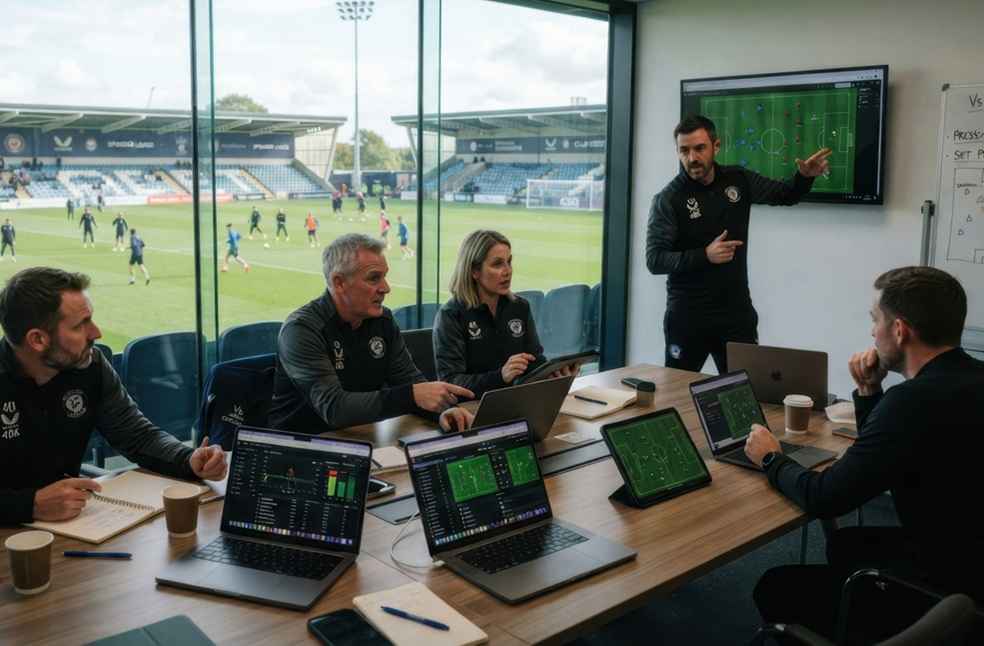
Behind a successful matchday sit decisions that rarely attract attention: where volunteers stand, which access routes remain open, when suppliers arrive and how information reaches staff when plans change.
At a World Cup, those decisions must connect stadiums, airports, hotels, transport services, security teams and broadcast operations. Each organisation has its own responsibilities, but the supporter experiences the journey as a whole. A missed connection or confusing entrance can affect an otherwise excellent day.
Keeping such a geographically dispersed tournament moving without a highly notable hitch requires more than a detailed schedule. It requires clear responsibility, reliable communication and the ability to respond when the schedule stops being useful.
Advance planning was already evident before the opening match. Speaking to Forbes ahead of the tournament, Reid Oslin, identified in the report as EVP of Sales, Private Client Services at Elevate Jet, described customers booking earlier than usual.
“We’re already seeing it,” he said. “Clients who have never booked this far in advance are calling months out because they understand something has shifted.”
His comments concerned private aviation, but the underlying principle applies more widely: complexity makes early preparation valuable. The more dependencies an event creates, the less room there is for assumptions.
Beyond the Stadium Gates
An event’s atmosphere does not begin at the entrance. It develops through the streets, businesses and public spaces around it.
In Miami, the Wynwood Business Improvement District approached the tournament through a programme connecting football with art, food and neighbourhood exploration.
“Wynwood is at its best when people have a reason to walk it,” Executive Director William Kelley told Forbes before the tournament. “Soccer is the occasion, but the neighbourhood is the story.”
For organisers, that distinction matters. A venue may contain the programme, but the surrounding community helps shape the memory. Local businesses, public transport, signage and welcoming public spaces can turn attendance into a broader experience.
From Operations to Experience
Yana Daryeva, founder of YD Event Management, sees a similar relationship between preparation and emotional impact at smaller events.
“Guests rarely remember the logistics,” she says. “They remember how an event made them feel. The work is in creating the conditions for that feeling while allowing everything behind it to remain invisible.”
That does not mean every operational element should disappear. Guests should be able to find staff, understand emergency instructions and access assistance easily. The aim is to remove unnecessary effort while keeping essential support visible.
Good operations create space for the occasion itself: a conversation uninterrupted by confusion, a timely arrival, a room ready when the programme begins.
Lessons Organisers Can Apply
Few organisations will ever deliver a World Cup. Its operational demands nevertheless highlight principles relevant to conferences, product launches, incentive trips and destination celebrations.
- Plan the complete guest journey. Consider booking, arrival, access, participation and departure, rather than treating the programme as the entire event.
- Make responsibility clear. Staff should know who can authorise changes and how decisions will reach the people implementing them.
- Rehearse disruption. Transport delays, supplier failures and technical problems need workable alternatives.
- Make help easy to find. Clear signage, accessible information and informed staff reduce uncertainty.
- Measure the experience. Queue times, complaints and feedback reveal whether the plan worked for the people attending.
Preparation creates room to adapt. Its value becomes clearest when something changes and the team can respond without passing the confusion to guests.
What Remains

Supporters will remember the 2026 World Cup primarily for its football. Event professionals can also examine the vast network of decisions that made those shared moments possible.
The most useful lesson is not that complexity can be eliminated. It is that complexity can be managed with care, so guests spend less time navigating the event and more time experiencing it.
The audience remembers the moment. Organisers are responsible for making room for it.
INFORMATIVE | 10,000 steps rule: Where did that number actually come from?