


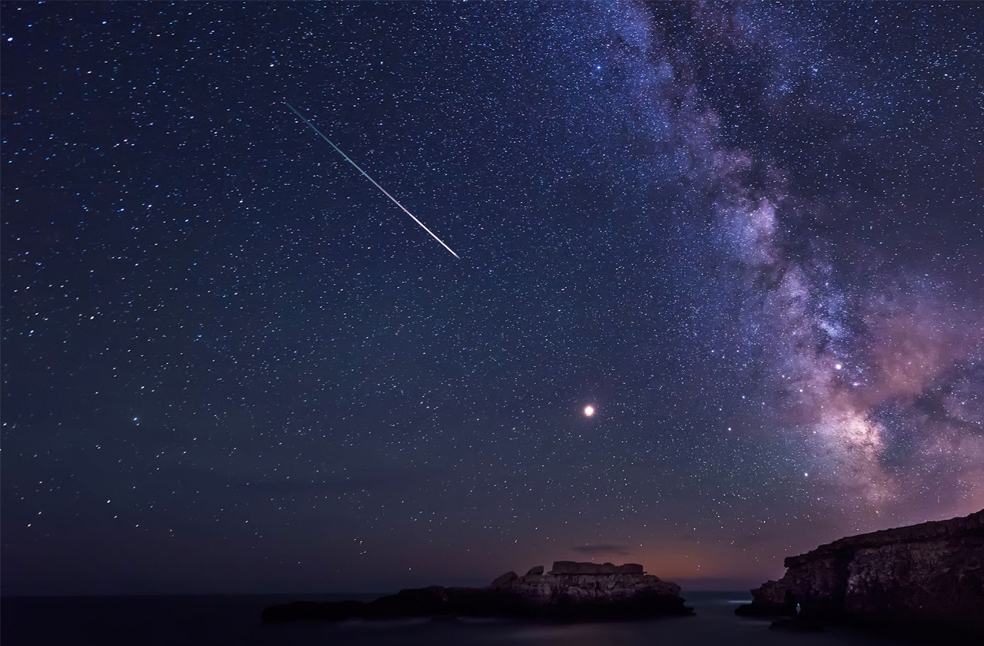
London: The Leonid meteor shower, known for producing some of the fastest shooting stars in the night sky, is set to reach its peak on the night of November 17- 18.
The meteors travel at speeds of around 71km per second, creating bright streaks as they burn up in Earth’s atmosphere. Some leave glowing trails that remain visible for several seconds.
The annual shower occurs when Earth passes through a stream of dust and debris left behind by Comet Tempel-Tuttle. As the particles enter the atmosphere at high speeds, friction heats them up, causing them to glow before burning out. Although they are commonly called shooting stars, meteors are not stars but small pieces of space debris.
What makes the Leonid meteor shower special?
The Leonids take their name from the constellation Leo, which appears to be the point from which the meteors originate.
They are particularly known for producing fireballs, exceptionally bright meteors caused by larger fragments of debris, as well as Earth-grazers that skim the upper atmosphere at a shallow angle, sometimes leaving long trails close to the horizon.
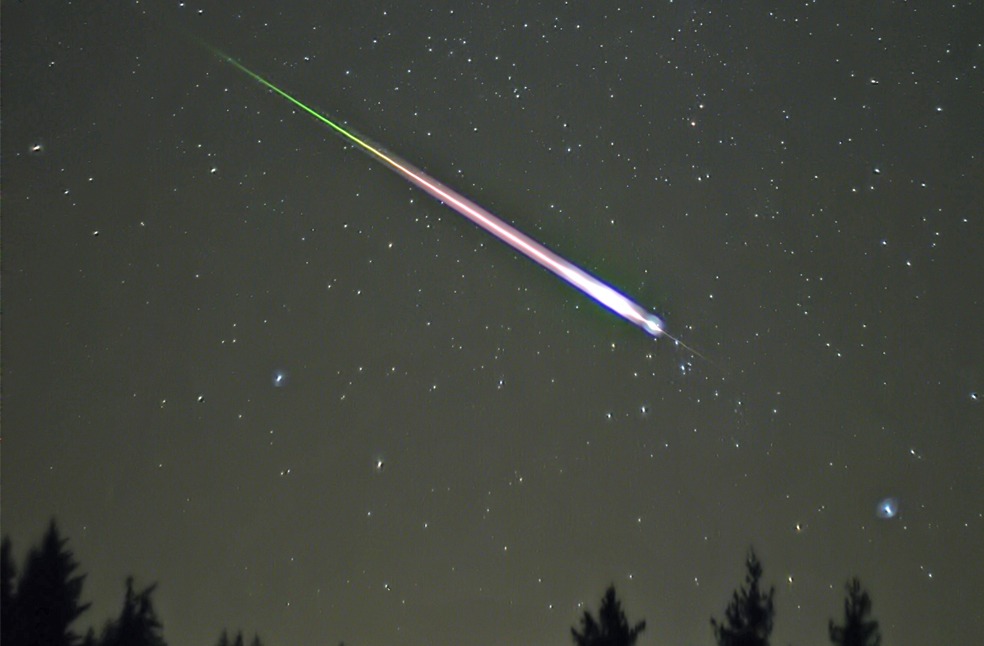
The shower is also famous for occasional meteor storms. Comet Tempel-Tuttle passes close to the Sun roughly once every 33 years, leaving behind trails of dust and debris. When Earth crosses a particularly dense part of this material, the Leonids can produce at least 1,000 meteors an hour.
One of the most notable events occurred in 1833 over North America, helping scientists understand the origin of meteors. Another spectacular display took place in 1966, when thousands of meteors were seen every minute for around 15 minutes. More recent storms occurred in 1999, 2001 and 2002. The comet is expected to make its next close approach to the Sun in 2031.
Where to look for the Leonids
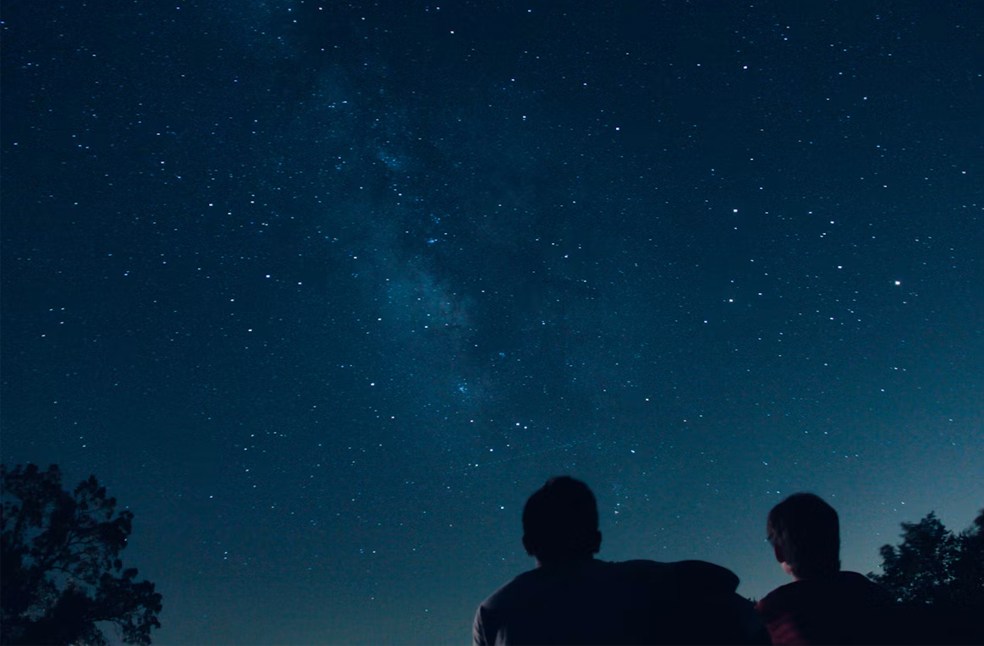
Leonid meteors can appear across any part of the sky, so observers do not need to focus exclusively on one direction. The best way to watch is to find a dark location with an unobstructed view, lie back and scan as much of the sky as possible.
The meteors appear to originate from a single point called the radiant. This is an optical effect caused by perspective: although the particles travel along roughly parallel paths, their trails seem to spread out from one location, similar to railway tracks appearing to meet in the distance.
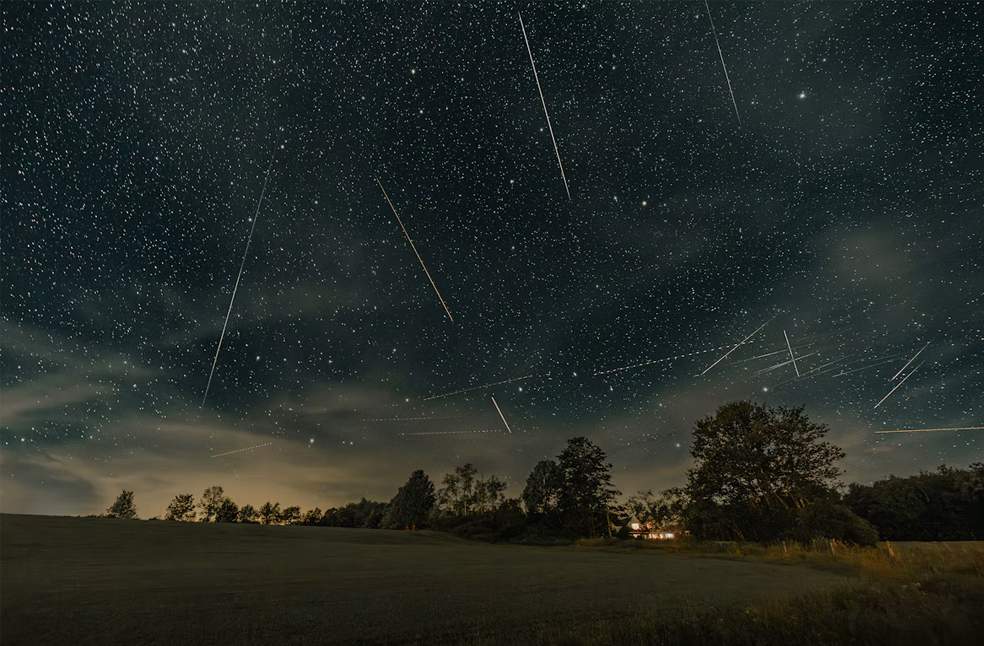
For the Leonids, this radiant is located in the constellation Leo, which rises in the eastern sky around midnight.
When is the best time to watch the Leonid meteor shower?
According to the International Meteor Organization (IMO), the Leonids are active from November 6 to 30, with the peak expected around 23:45 GMT on Tuesday, November 17. Under clear and dark skies, observers could see up to around 15 meteors an hour during the peak.
The most favourable viewing period is from midnight until dawn, as the constellation Leo climbs higher in the sky. The Moon will be around half illuminated on the peak night but is expected to set around midnight in many locations, leaving darker conditions for the remaining viewing hours.
For the best chance of spotting meteors, choose a location away from streetlights and buildings that obstruct the sky. Allow your eyes around 20 minutes to adjust to the darkness before watching.
Can the Leonids be seen from both hemispheres?
Yes. The Leonid meteor shower is visible from both the Northern and Southern Hemispheres, although viewing conditions are generally more favourable in the north because the constellation Leo rises higher in the sky.
Observers in the Southern Hemisphere may have a better chance of seeing the shower during the hour or two before sunrise.
Will the Moon affect the 2026 Leonid meteor shower?
The Moon is expected to have only a limited effect on this year’s display. It reaches its first-quarter phase on November 17 and is expected to set around midnight, reducing its brightness during the best hours for meteor watching.
How do the Leonids compare with other meteor showers?
The Leonids produce fewer meteors than some of the year’s other major showers. The IMO estimates a peak rate of around 15 meteors an hour under ideal conditions, compared with approximately 100 an hour for the Perseids in August and 150 an hour for the Geminids in December.
However, the Leonids stand out for their exceptional speed and their history of spectacular meteor storms, which can turn an otherwise modest display into an extraordinary night-sky event.
MOST READ | US flight disruptions expose ageing FAA infrastructure