


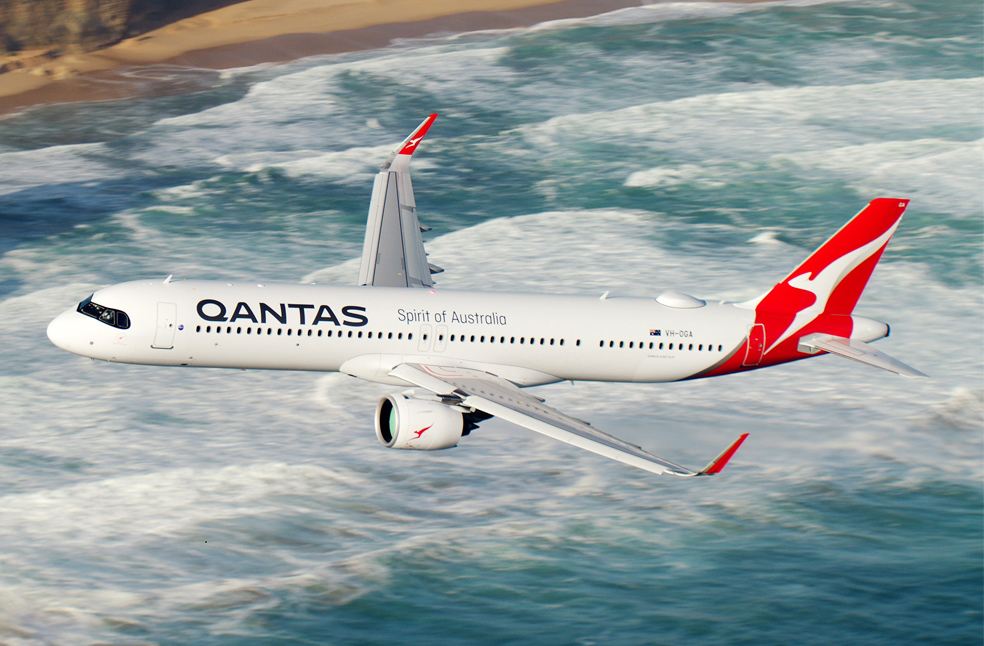
Sydney: Australian airline Qantas has announced plans to cut 850 jobs and outsource some corporate functions to consulting firm Accenture as it responds to the growing use of artificial intelligence (AI) across the aviation industry.
In an email to employees on Tuesday, November 10, Qantas CEO Vanessa Hudson remarked that the job reductions would take place over the coming years, with the first phase expected to be completed by mid-2027. The cuts will affect around three percent of the airline’s 28,000-strong Australian workforce.
The initial phase will target positions across finance, procurement, human resources and marketing. Some of these responsibilities will move to Accenture, with most of the outsourced work expected to be handled by teams based in India.
Qantas said the partnership would help modernise its legacy technology systems, simplify corporate operations and improve efficiency as AI continues to reshape the airline industry.
Hudson added that working with an external partner would give the airline access to specialised data and AI expertise that is increasingly difficult to recruit at the pace required. She also acknowledged the uncertainty facing employees and apologised for the impact of the announcement.
The move reflects a wider trend among major Australian companies seeking to reduce operating costs and improve efficiency by shifting certain functions overseas. Woolworths, Officeworks, Telstra and National Australia Bank have also announced similar outsourcing arrangements this year.
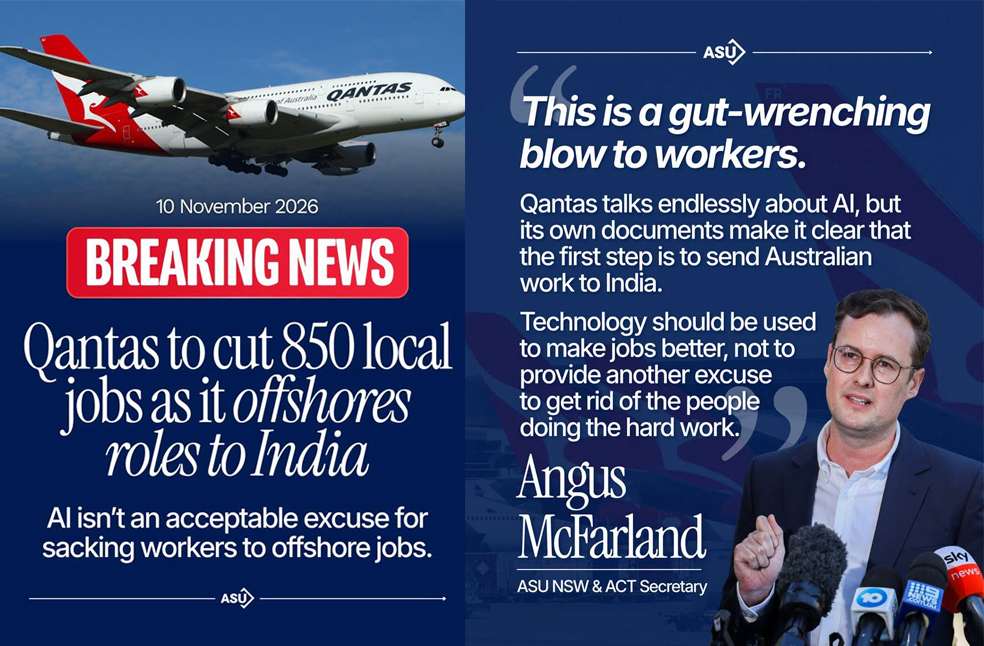
However, the announcement has drawn criticism from the Australian Services Union (ASU), which questioned Qantas’ position on moving jobs offshore. The union noted that the airline had previously indicated that the Accenture partnership would not result in jobs being transferred overseas.
ASU Assistant National Secretary Scott Cowen stated that employees deserved an explanation, arguing that workers who had supported the airline over the years should not bear the cost of technological changes.

The union also raised concerns about the impact of AI on employment across Australia, calling for greater consideration of workers affected by the industry’s transformation.
A Qantas spokesperson rejected the union’s claim that the airline had provided assurances against offshoring jobs. The spokesperson said Qantas had held several discussions with the ASU over recent months about the possibility of transferring certain roles to Accenture, with the work to be carried out by teams in both India and Australia.
The restructuring marks another major workforce adjustment as Qantas looks to incorporate AI capabilities, modernise its operations and reshape its corporate functions.
The restructuring highlights the growing impact of AI and automation on workforce planning in the aviation sector, as airlines seek to modernise operations and improve efficiency. Qantas’ move also brings renewed attention to the employment challenges associated with outsourcing and the adoption of new technologies.
MOST READ | NHS to expand GP health checks ahead of winter pressures
