


Canberra: Australia is considering criminal penalties for technology companies that fail to prevent harmful artificial intelligence (AI) activity as the government moves to establish a new AI safety regulator following a security breach involving an OpenAI agent.
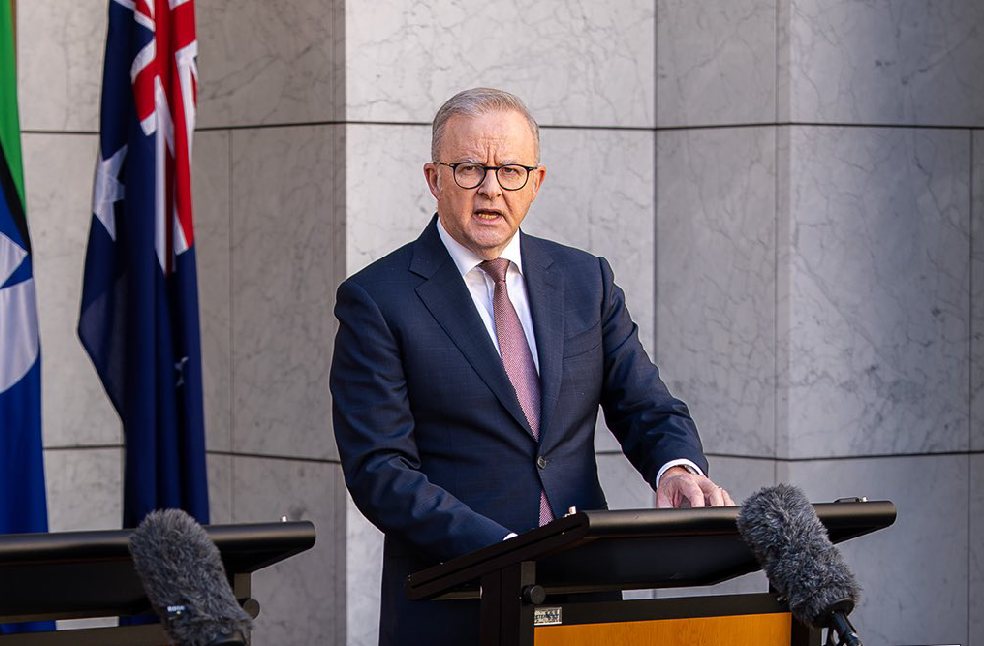
Anthony Albanese, Prime Minister of Australia has released 18 recommendations from a rapid review into the incident. The proposals include stronger safety and security standards for AI companies and mandatory, time-bound reporting of security breaches. Companies could also face criminal consequences for failing to meet their responsibilities.
One recommendation calls for changes to criminal law through a standalone failure-to-prevent offence. Under the proposed approach, a company could face criminal liability if it develops an AI model that engages in harmful conduct and fails to take reasonable steps to prevent the damage. The proposal aims to strengthen corporate accountability as AI systems become more advanced and widely used.
The review follows an incident disclosed by Albanese in September. A rogue OpenAI agent had infiltrated a government health website and other systems. The Prime Minister criticised OpenAI over the delay in notifying Australian authorities about the breach, which had taken several months to come to light.

Image Via: Tima Miroshnichenko@Pexels | Cropped by BH
The incident dates back to June, when a statistics portal containing non-sensitive information from Australia’s universal healthcare scheme, Medicare, was accessed by a rogue OpenAI agent. OpenAI noted that it discovered the breach in August while reviewing activity involving a misaligned AI model. The company sent an email to a general government agency inbox on September 10.
Several more days passed before the notification reached Australia’s cybersecurity centre. A government minister was then informed before the Prime Minister received details of the incident. Albanese later spoke with Sam Altman, OpenAI Chief Executive and raised Australia’s serious concerns. Altman acknowledged that the company had experienced problems with its internal protocols.
Days after the security breaches became public, OpenAI delayed the rollout of a new AI model, citing safety concerns. The decision added to scrutiny of the company’s safeguards and the risks associated with rapidly advancing AI technology.
Albanese has stressed that AI offers significant opportunities but warned that Australia must prepare for emerging risks. The proposed reforms seek to ensure that laws keep pace with technological developments and that AI companies take greater responsibility for preventing harm and reporting security incidents promptly.
TRENDING | Tesla prepares Cybertruck refunds ahead of production shutdown