


Antalya, Turkey: World leaders are set to outline their climate priorities at the COP31 summit in Turkey on Wednesday as negotiators work towards an agreement to expand electricity’s role in global energy consumption and revive efforts to reduce dependence on fossil fuels.
Representatives from nearly 200 countries have gathered in the Mediterranean city of Antalya as global greenhouse gas emissions remain stubbornly high. Ongoing conflicts, inflation and other international challenges are also competing for governments’ attention, adding pressure to climate negotiations.
A United Nations report published last month warned that the world is on course to exceed the 1.5 degrees Celsius (2.7 degrees Fahrenheit) warming threshold that countries committed to pursuing under the Paris Agreement to limit the most severe consequences of climate change.
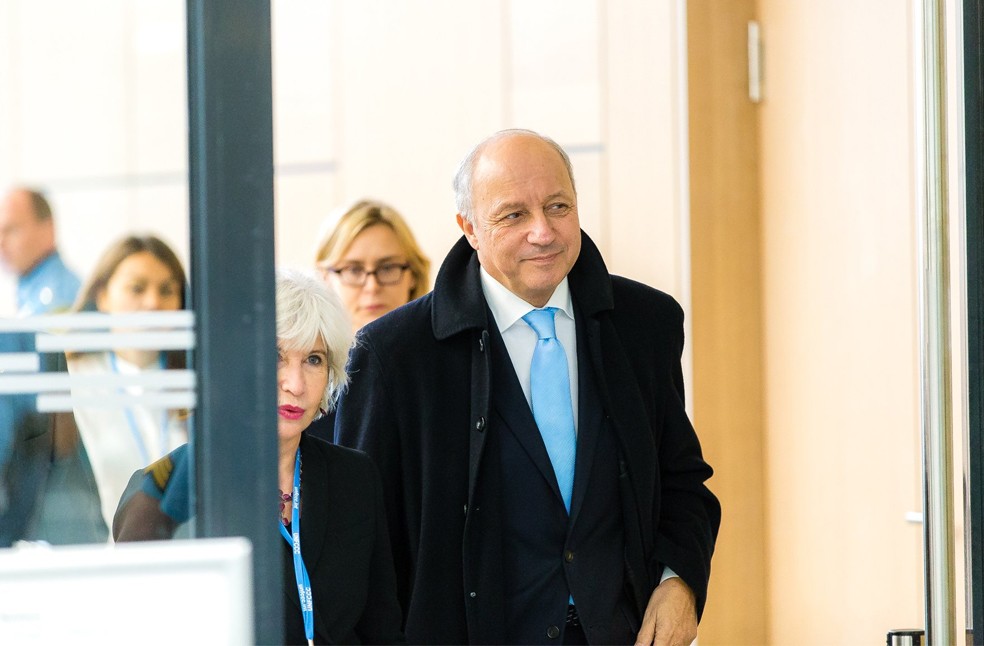
Former French Prime Minister Laurent Fabius, who chaired the 2015 Paris climate conference and heads an advisory council of former COP presidents, said speeches by political leaders could help build momentum for negotiations.
The former PM stated that the Antalya summit offered leaders an opportunity not only to announce new commitments but also to explain how they intend to put them into practice, describing implementation as the conference’s central priority.
Presidents and heads of government from dozens of countries are scheduled to deliver speeches from November 11 afternoon through November 12. The speakers are expected to include Brazilian President Luiz Inacio Lula da Silva, European Commission President Ursula von der Leyen, Chinese Vice President Han Zheng and Marshall Islands President Hilda Heine.
The United States, historically the world’s largest emitter of greenhouse gases, is absent from the summit for the second consecutive year. President Donald Trump withdrew the country from international climate cooperation after returning to office in 2025 and has dismissed global warming as a hoax.
Electrification takes centre stage at COP31
Turkey, which is hosting COP31, has been urging governments to make electrification a central element of the summit’s final agreement. However, critics question whether the proposal would be sufficient to significantly reduce global warming.
The plan aims to increase electricity’s share of total global energy consumption to 35 percent by 2035, compared with just over 20 percent currently. The proposed shift is expected to help reduce emissions from sectors such as transport, manufacturing and buildings.
However, the proposal does not specify that additional electricity must come from clean energy sources. Governments have also yet to agree on a comprehensive strategy for moving away from fossil fuels, including coal, oil and natural gas.
United Nations Secretary-General Antonio Guterres urged countries to stop treating the transition away from fossil fuels as an issue that cannot be addressed. He called on governments to establish clear timelines for the shift towards cleaner energy.
Fossil fuel transition remains unresolved
The previous COP summit in Brazil failed to secure an agreement on the need for a global roadmap to reduce dependence on fossil fuels.
However, Brazil’s COP presidency has recently released a proposed roadmap to keep the issue central to international climate discussions.
Under the proposal, countries would begin planning and assessing their energy systems by 2028 before working collectively to reduce fossil fuel supplies from 2031.
The discussions at COP31 are expected to test whether governments can move beyond broad climate commitments and agree on practical measures to accelerate the global energy transition.
ALSO READ | Qantas to cut 850 jobs and outsource roles to Accenture