


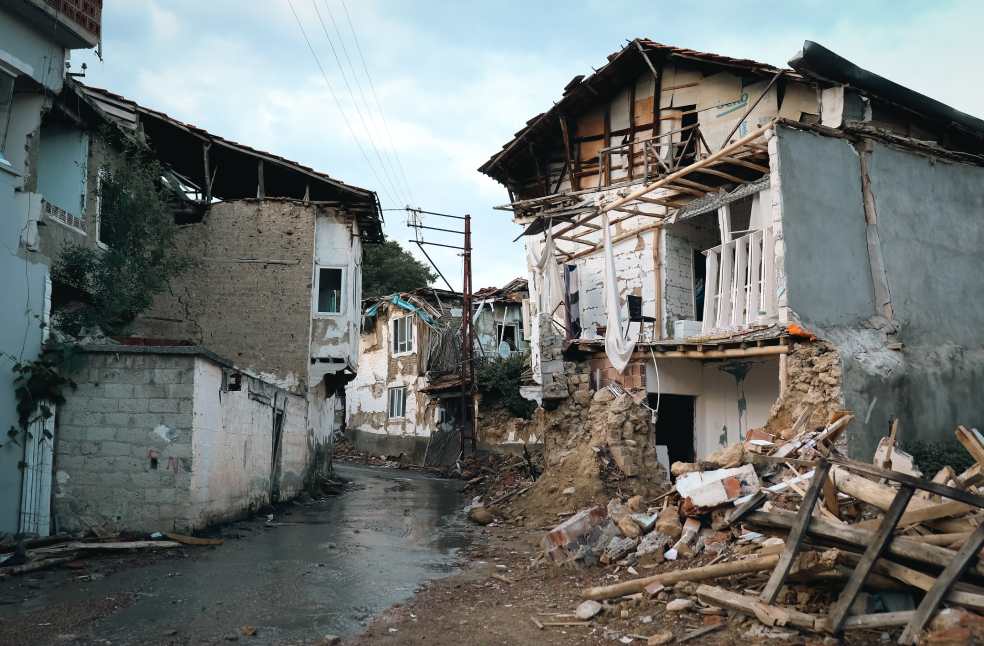
Japan: More than 20 people have been injured after a powerful earthquake struck central Japan, damaging buildings, shattering shop windows and sending residents fleeing for safety, according to local authorities and media reports.
The magnitude 5.7 earthquake struck western Shizuoka Prefecture at 1:04 am local time on November 8, at a depth of approximately 40 kilometres, according to the Japan Meteorological Agency (JMA).
Authorities reported injuries across Aichi and Shizuoka prefectures, confirming that more than 20 people had been affected. The tremor was felt across a wide area, including Hamamatsu city, Kyoto, Nara, Yamanashi and Gifu prefectures. Yamanashi is also home to Mount Fuji, Japan’s highest mountain.
【報道発表】(R8.11.8)令和8年11月8日01時04分頃の静岡県西部の地震による地盤の緩みを考慮し、揺れの大きかった愛知県の市町村について、土砂災害に関する警報等の発表基準を引き下げて運用します。
https://t.co/gRmyshvvgj— 気象庁 (@JMA_kishou) November 7, 2026
Japanese television footage showed shattered shop windows and broken glass scattered across streets following the earthquake. A bookstore was also left in disarray, with large numbers of books falling from shelves during the tremor. Some people sustained injuries after falling on staircases while attempting to evacuate buildings, the Associated Press reported.
No tsunami warning was issued following the earthquake, according to Kyodo. The tremor was not felt in Tokyo, which is located far from the epicentre.
Aftershock warnings issued across affected areas
Following the earthquake, the Japan Meteorological Agency urged residents to remain alert for possible strong aftershocks over the coming week, particularly during the next two to three days. Agency official Ayataka Ebita advised people to exercise caution against potential mudslides, falling rocks and other hazards, especially if rainfall affects the region.
He also confirmed that no apparent changes had been detected in the Nankai Trough, an underwater geological zone where major tectonic plates meet beneath parts of Japan. Scientists have long warned that the region could generate a powerful megaquake.
Meanwhile, transport services experienced disruptions as authorities and railway operators carried out safety inspections. Some local train services were suspended, while Shinkansen bullet trains continued operating at reduced speeds in affected areas as a precaution.
JR Central, the operator of the Tokaido Shinkansen line connecting Tokyo and Osaka, reported delays between Shizuoka and Gifu-Hashima stations following safety checks. Authorities continue to monitor the situation and have urged residents in affected areas to remain cautious with the possibility of further seismic activity.
MOST READ | UK interest rates set to rise for 1st time in three years