


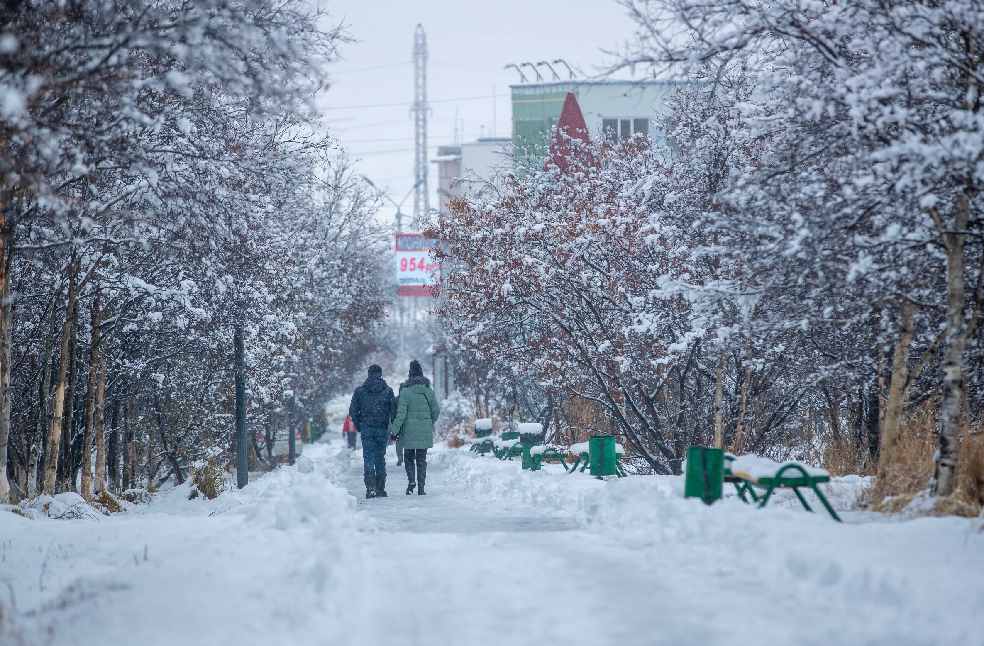
Sydney: Unseasonal spring snowfall has covered parts of south-eastern Australia as a powerful cold blast brought sharply lower temperatures across New South Wales (NSW), Victoria and Tasmania.
Snow was recorded at several well-known alpine destinations, including Thredbo, Perisher and Mount Hotham. Falls were also reported on Kunanyi/Mount Wellington overlooking Hobart in Tasmania. The cold conditions brought an unusual winter-like spell to the region during spring.
The Bureau of Meteorology (BoM) had forecast the snowfall before the cold weather system moved across the region. Although snow in November is uncommon, it is not unprecedented. Several locations affected by the latest falls also experienced snowfall in November 2022.
BoM noted that the sudden temperature drop was caused by a weather system carrying cold air northwards from the direction of Antarctica. Strong south-westerly winds added to the chill and made conditions feel considerably colder than the forecast maximum temperatures.
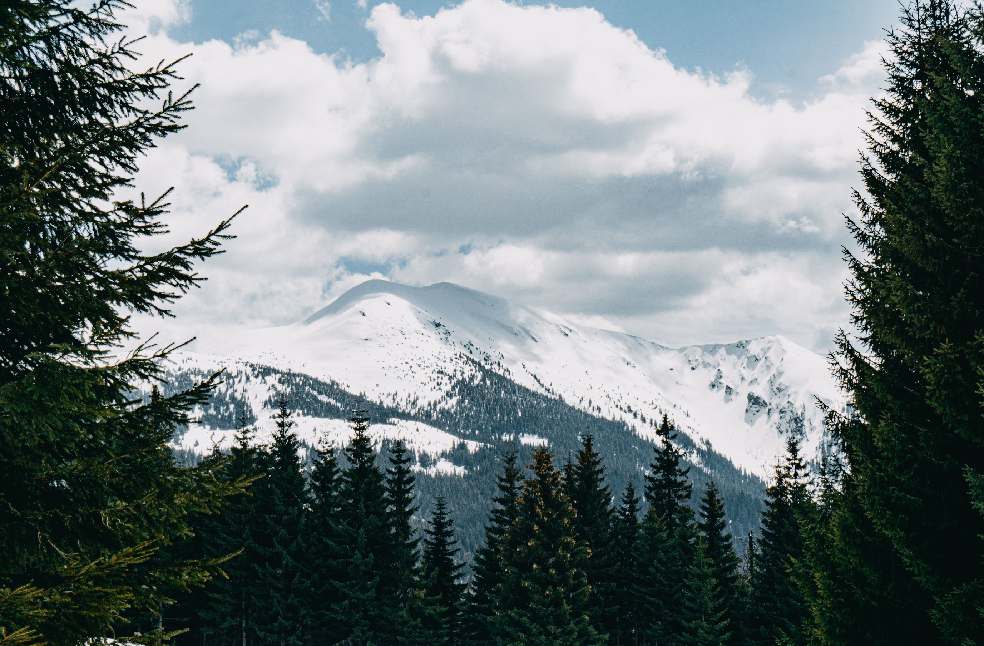
At midday, Adelaide, Melbourne, Hobart, Canberra and Sydney all recorded apparent temperatures below 13C. Adelaide had the highest actual temperature among the five capitals at 17.5C, although conditions felt closer to 12.3C. Canberra recorded the lowest maximum at 12.9C, with the apparent temperature falling to just 5.3C.
Conditions were considerably warmer in other parts of the country. Brisbane, Perth and Darwin were experiencing temperatures in the 20s or 30s while the south-east remained under the influence of the cold system.
The BoM has forecast a gradual return to warmer conditions from November 9. All Australian capital cities are expected to reach at least 20C by November 10, bringing relief after the sharp temperature drop.
However, the cold spell could be among the final significant cold snaps of the year. The BoM, the United Nations and other organisations have warned about the potential effects of a powerful El Niño expected to influence global weather patterns.
The climate crisis, driven by pollution from fossil fuels, is intensifying extreme weather risks. A strong El Niño could further increase these effects as weather patterns shift across different regions. The Southern Hemisphere summer is expected to be hotter and drier as a result, increasing the risks of drought and wildfires in Australia and southern Africa.
POPULAR | Musk signals Cybertruck production wind-down at Texas factory