


London: Hot baths could offer more than relaxation, with research suggesting that regular immersion in warm water may support cardiovascular health, improve blood circulation, and provide benefits for the immune system.
As wellness trends increasingly turn towards saunas and spa treatments, scientists are examining whether a simple bath at home could offer similar health advantages at a lower cost. Research from the University of Oregon suggests that hot-water immersion may be more effective than sauna sessions in lowering blood pressure and supporting immune function.
Other studies have indicated that the health benefits of bathing could be comparable to some forms of aerobic exercise and may also help regulate blood sugar levels.
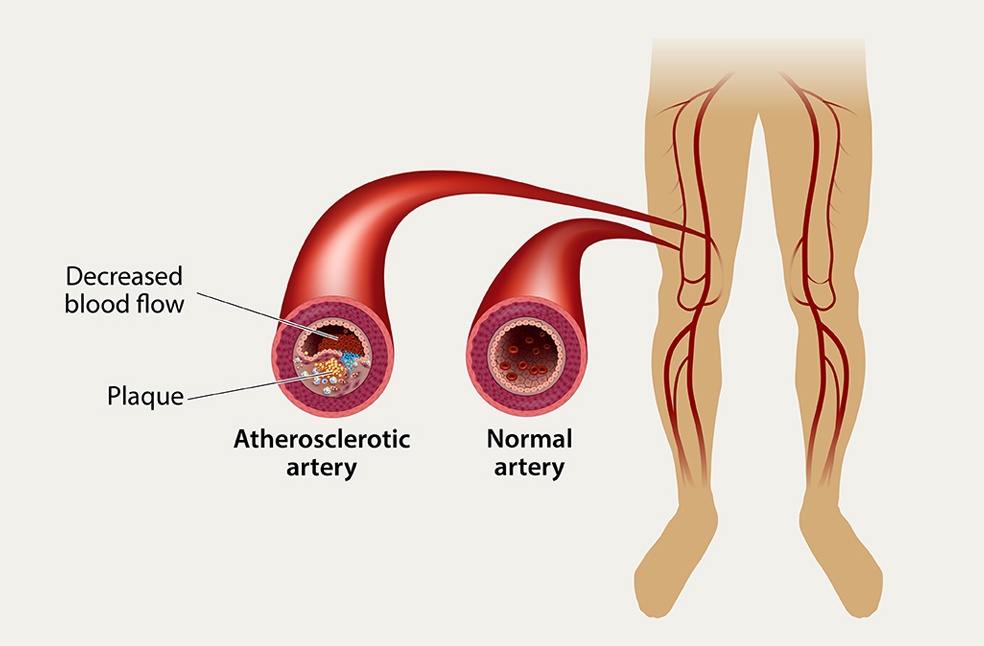
Scientists at Manchester Metropolitan University, with funding from the British Heart Foundation, are currently investigating whether regular hot-water immersion can help relieve symptoms of peripheral artery disease (PAD).
The condition affects blood circulation, particularly in the arteries supplying the lower legs, and can cause pain while walking.
The research involves studying the effects of repeated exposure to hot water on people living with the condition. An eight-week heat therapy trial involved participants attending hot-tub sessions three times a week, with the water maintained at 40 degrees Celsius.
Researchers are examining whether the treatment can improve circulation and reduce the discomfort associated with restricted blood flow. The findings could help establish whether heat therapy can become a useful complementary approach to managing certain circulatory conditions.
How hot baths affect blood circulation
Hot-water immersion raises the body’s core temperature, prompting blood vessels near the skin to expand and increasing blood flow towards the surface. This process, known as vasodilation, changes how blood circulates throughout the body.
According to William Carey, one of the academics involved in the Manchester Metropolitan University research, the rise in core temperature drives blood towards the skin and away from internal organs. This response could be particularly beneficial for people with peripheral artery disease, whose legs may not receive sufficient blood supply.
Improved circulation may also support cardiovascular health more broadly. However, people with low blood pressure or existing medical conditions should consult their doctors before regularly using hot baths as a health intervention.

A long history of bathing as a health practice
The association between bathing and health dates back to ancient Greek and Roman civilisations, where public baths and spa treatments were widely used.
During the period when humorism dominated medical thinking, from the fifth century BC to the 17th century AD, illness was believed to result from an imbalance in four bodily fluids: blood, phlegm, yellow bile and black bile.
These fluids were associated with different qualities, including heat, coldness, dryness and moisture. Hot-water bathing was consequently considered a way to restore balance in the body and was used as a treatment for various conditions, including arthritis and cataracts.
Although the discovery of microbes in the 17th century helped disprove humorism, the use of water for therapeutic purposes continued. Medical practitioners recognised that bathing could help relieve certain aches, pains and skin conditions.
Hydrotherapy remains part of modern healthcare, with hospitals using water-based treatments to support rehabilitation for people with neuromuscular disorders.
Hot baths may also support mental wellbeing
Beyond physical health, bathing can provide an opportunity to relax and take a break from everyday pressures. With work commitments, family responsibilities and increased screen time affecting daily routines, a warm bath can offer a quiet space to unwind.
Creating a calming bathing routine may help reduce stress and support relaxation before bedtime. The combination of warm water and time away from digital devices can also provide a mental break from constant notifications and other distractions.
Regular bathing may therefore offer benefits that extend beyond physical relaxation, supporting both mental and physical wellbeing.
While research continues to explore the potential health benefits of hot-water immersion, it is important to recognise that bathing is not a replacement for prescribed medical treatment or regular physical activity. Its role as a complementary wellness practice will depend on individual health conditions and further scientific evidence.
MOST READ | Pope Leo heads to South America for major 12-day tour