


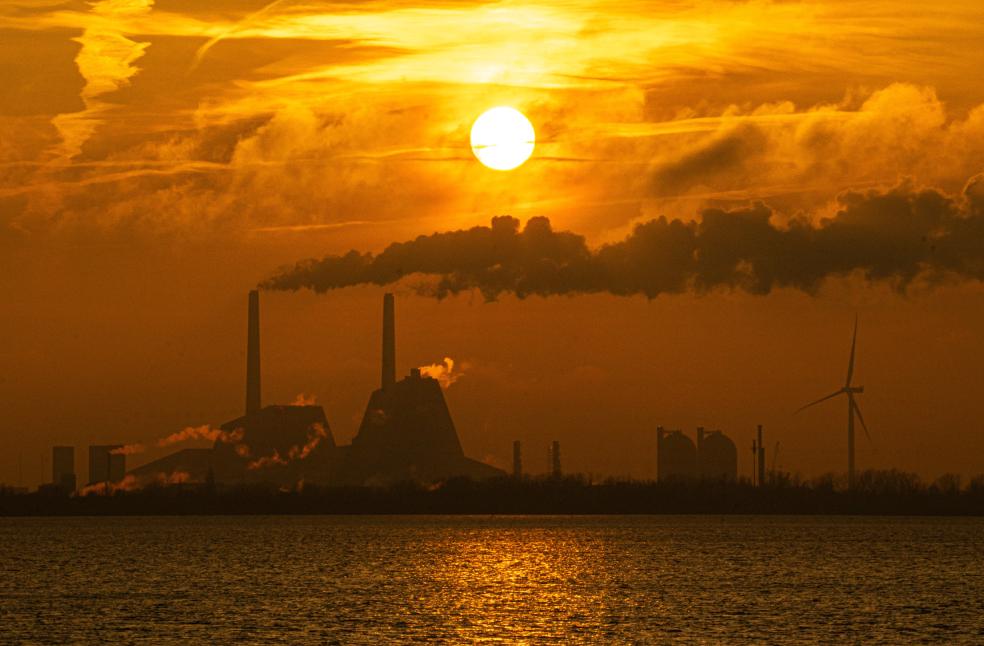
Antalya: The world is on course for an average temperature rise of 2.7°C by the end of the century if governments continue with their existing climate policies, raising concerns over increasingly severe environmental and economic consequences, according to a new analysis by Climate Action Tracker (CAT).
The projected warming represents a setback from the global target of limiting temperature increases to 1.5°C above pre-industrial levels, agreed upon by countries a decade ago. The latest estimate is also slightly higher than CAT’s previous projection of 2.6°C, highlighting the widening gap between current climate commitments and the action required to address global warming.
Scientists have repeatedly warned that exceeding the 1.5°C threshold will intensify extreme weather events, including heatwaves, droughts, storms and floods. These impacts could threaten food security, public health, infrastructure and livelihoods, particularly in vulnerable regions. Concerns are also growing over the possibility of irreversible changes to the climate system.
The findings come as representatives from countries, excluding the United States, gather in Antalya, Türkiye, for United Nations climate negotiations, where the prospect of exceeding the global temperature target has become a major concern.
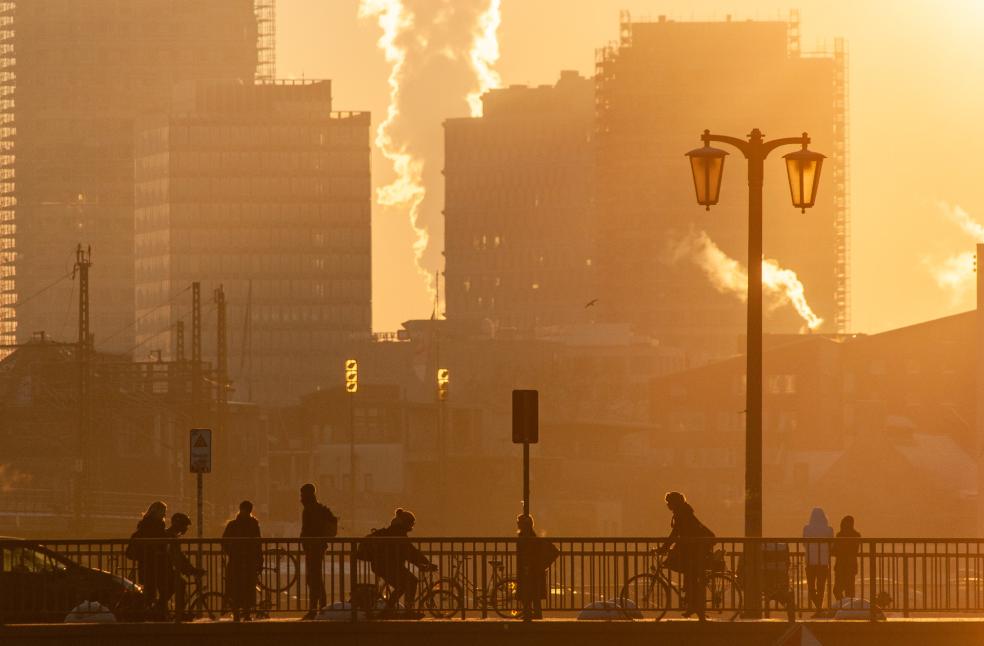
UN Secretary-General António Guterres has urged governments to accelerate efforts to reduce greenhouse gas emissions and phase out fossil fuels. Climate experts say stronger and more immediate action is essential to prevent further increases in global temperatures.
According to the CAT analysis, even if all national climate pledges, long-term targets and commitments are fully implemented, global warming would still reach approximately 1.9°C by 2100. However, many countries have struggled to meet their existing commitments, raising questions about the effectiveness of current climate strategies.
Bill Hare, chief executive of Climate Analytics, stated that governments face a critical choice between continuing to support the fossil fuel industry and accelerating the transition towards cleaner and more affordable energy solutions. He warned that continued dependence on fossil fuels could lead to severe economic losses, increased heat-related deaths and climate-driven health risks.
Despite the concerning projections, the report identifies several positive developments in the global energy transition. Investment in clean energy has reached twice the level of investment in fossil fuels, electric vehicle adoption continues to increase, and deforestation in Brazil’s Amazon region has declined significantly. Carbon emissions are also expected to record a slight decrease this year.
However, climate experts stress that these developments are not yet sufficient to bring global warming under control. CAT report lead author Sarah Heck said governments were not introducing climate policies quickly enough to prevent the world from entering a prolonged period of temperature overshoot. She also highlighted the slowing pace of climate action in countries including the United States, Canada and New Zealand.
Swedish climate activist Greta Thunberg, who arrived in Antalya for the climate talks, also called attention to the growing risks posed by the climate crisis, warning that the failure to take decisive action threatens people and the environment worldwide.
The report underscores the urgent need for stronger climate policies, faster emissions reductions and a broader shift towards renewable energy to limit long-term environmental damage.
MOST READ | DRC records 11,042 ebola cases as death toll rises to 5,387