


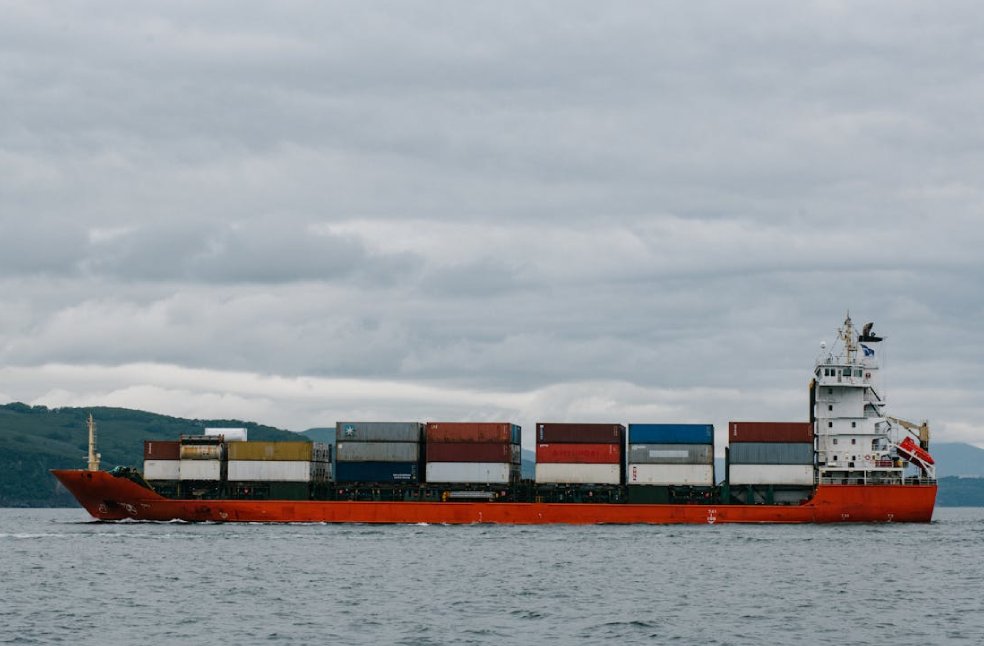
Tehran: The Strait of Hormuz has been declared ‘completely open’ for commercial vessels by Iran, raising hopes of easing tensions in the region. However, officials have issued strong warnings that the situation could change if the US blockade continues.
Abbas Araghchi has stated that all commercial ships would be allowed to pass through the Strait of Hormuz during the ceasefire period. The announcement has contributed to a drop in global oil prices and improved market sentiment.
Despite the statement, Iranian authorities have indicated that access to the waterway may still be controlled. Reports have suggested that vessels could be required to follow designated routes and obtain permission from the Islamic Revolutionary Guard Corps.
Further caution has come from Mohammad Bagher Ghalibaf, who has warned that the Strait of Hormuz may not remain open if the United States continues its naval blockade. The remarks have highlighted ongoing uncertainty over the status of the strategic waterway.
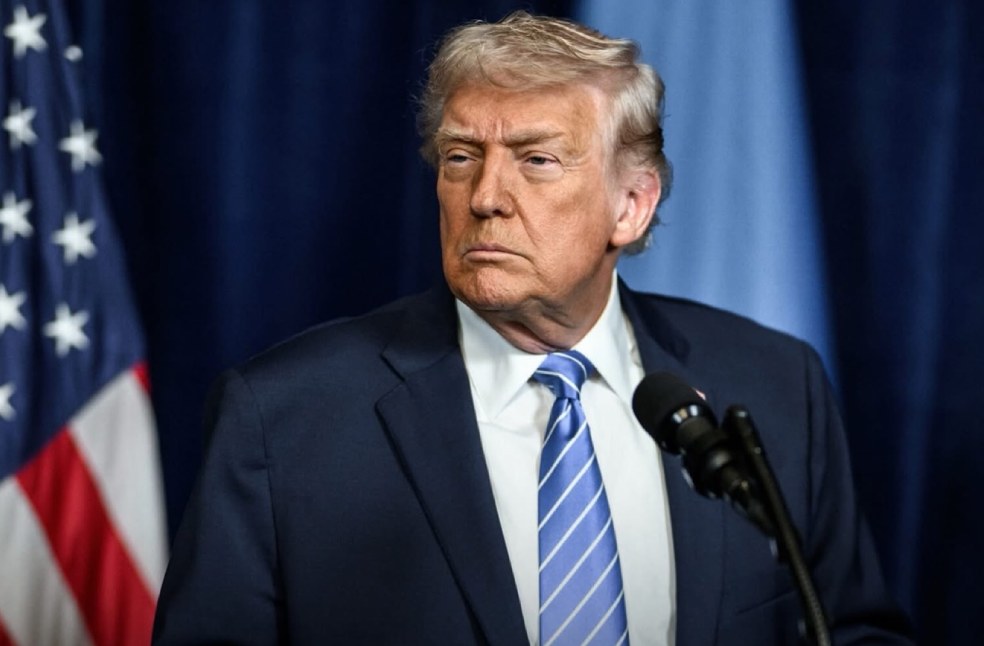
Donald Trump has welcomed Iran’s announcement and suggested that the route would remain open. However, the US has confirmed that its blockade targeting Iranian ports will continue until a broader agreement is reached.
The Strait of Hormuz is one of the world’s most critical energy routes, handling nearly one-fifth of global oil and gas shipments. Its closure earlier in the conflict had significantly reduced tanker traffic and driven up energy prices worldwide.
Although the reopening has raised hopes for stability, analysts have cautioned that a full return to normal shipping levels may take time. Many vessels are expected to remain cautious due to ongoing security risks and uncertainty in the region.
The situation has also been influenced by wider geopolitical developments, including ceasefire arrangements in neighbouring areas and continued diplomatic efforts to reach a long-term agreement.
Global powers have begun discussions on securing the Strait of Hormuz, recognising its importance to international trade and energy markets. However, the current environment remains fragile.
The coming days will be critical in determining whether the reopening leads to sustained stability or renewed disruption in one of the world’s most vital maritime corridors.
TRENDING | Apple’s iPhone shipments in China surge 20 percent in Q1
