


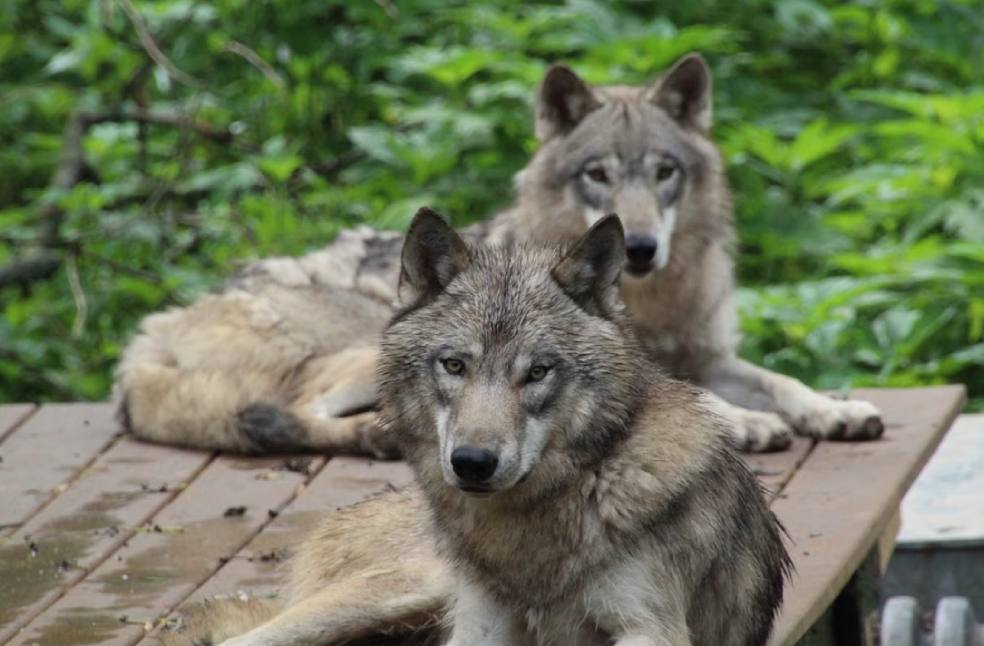
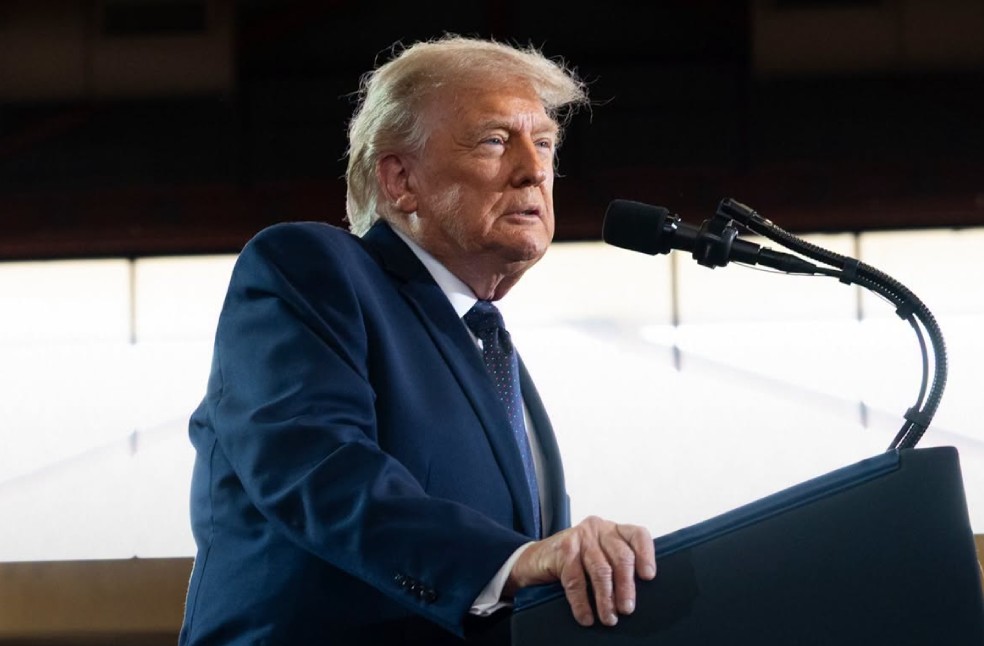
United States: President Donald Trump has signed an executive order directing the US government to review federal endangered species protections for grey wolves and Mexican wolves, a move that could eventually give ranchers greater scope to kill wolves that threaten livestock.
The order does not immediately remove the wolves from the endangered species list or authorize ranchers to shoot animals preying on livestock. Instead, it gives Interior Secretary Doug Burgum 90 days to determine whether the grey wolf and Mexican wolf populations have recovered sufficiently to warrant removing federal protections.
Trump’s order said ranchers play a ‘vital role’ in the US food supply chain and American cultural heritage. The administration has also pointed to historically low US livestock numbers and rising demand for beef as reasons for supporting the ranching industry.
Conservation groups have strongly criticized the decision, arguing that weakening federal protections could undermine decades of efforts to restore wolf populations. Environmental advocates have also disputed claims that wolves pose a significant economic threat to ranchers.
There were 319 Mexican wolves living in the wild in the United States in 2025, according to US Fish and Wildlife Service figures. That represents a major increase from just four Mexican wolves when the animals were reintroduced into the wild in 1998.
The United States is also home to roughly 18,000 grey wolves. Although populations have recovered in parts of the country, conservationists say wolves remain vulnerable because much of their historic habitat has been lost or altered by human activity.
A previous federal effort to remove grey wolves from endangered species protection in 2022 became entangled in legal challenges. Conservation groups have indicated they could pursue similar legal action if the Interior Department moves forward with delisting following Trump’s order.
The Wolf Conservation Center has also highlighted existing financial protections for ranchers, saying livestock owners can receive compensation for losses caused by wolves under the current system. Individual states also operate programmes aimed at preventing wolf attacks on livestock.
The dispute over wolf protections reflects a long-running conflict between wildlife conservation and livestock production in the United States. Federal authorities began systematic efforts to eradicate wolves in the late 19th century, while farmers and landowners also trapped and killed large numbers of the animals.
The Interior Department’s review will determine whether the grey wolf and Mexican wolf populations have recovered enough to justify changes to their federal status, potentially setting the stage for another major legal and political battle over wolf conservation in the United States.
TOP PICKS | OpenAI launches Astra AI Model as Agent Safety concerns grow
