


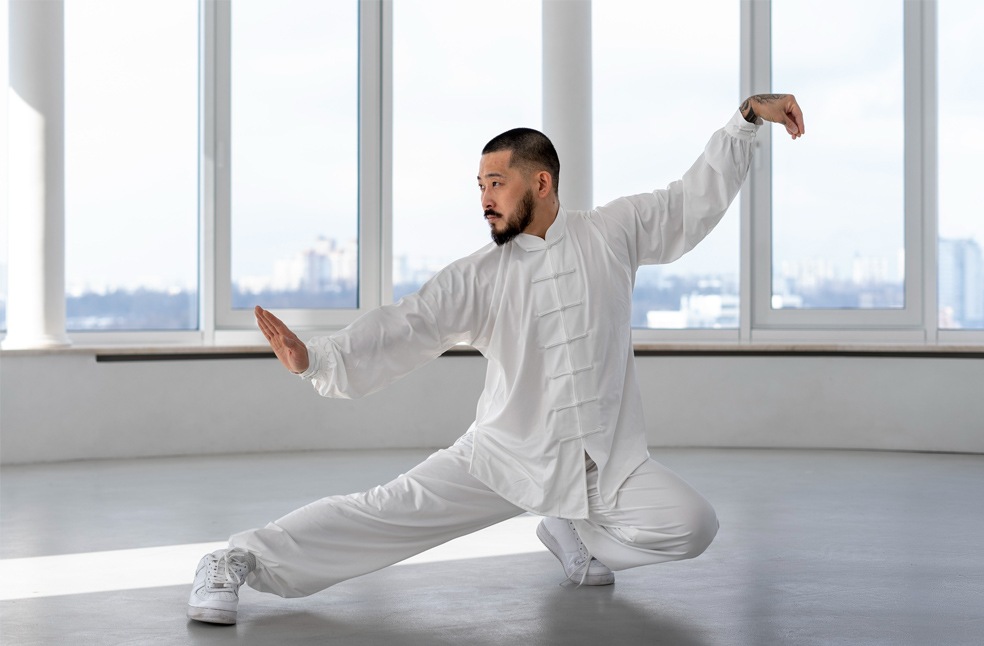
Originating in China as a martial art, Tai Chi has evolved into a mind-body practice built around slow, gentle movements, controlled breathing, physical postures, and mental focus.
The movements can be adapted for people with different abilities and can be performed while standing, walking, or sitting.
A 30-day Tai Chi challenge can therefore be presented as an accessible experiment: dedicate 10 to 15 minutes a day to slow, deliberate movement and see whether consistency changes the way you approach exercise, relaxation, and body awareness.
Why Tai Chi?
The appeal of Tai Chi lies partly in its low-impact nature. Rather than relying on fast movements or high-intensity exercise, practitioners shift their weight slowly, coordinate their movements with breathing, and maintain awareness of posture and balance.
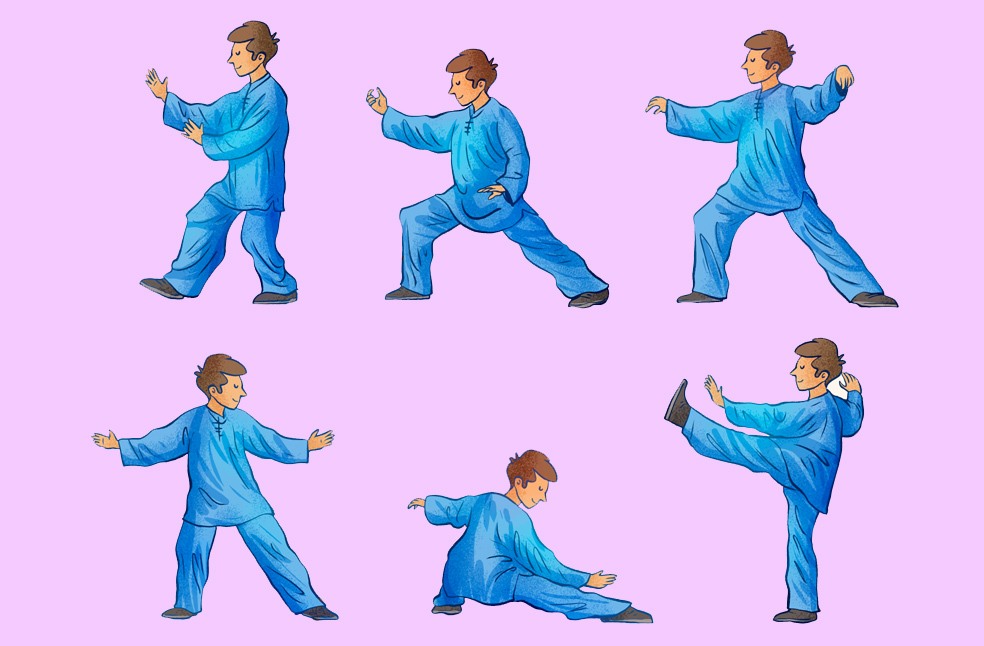
Research has particularly explored its relationship with balance and fall prevention. A 2024 systematic review and meta-analysis involving 18 randomised clinical trials found that Tai Chi improved several measures of both dynamic and static balance in adults over 65.
Another 2024 meta-analysis covering 22 studies found improvements in balance and physical function among older adults, while also reporting a reduction in fear of falling.
The benefits aren’t limited to balance. The US National Center for Complementary and Integrative Health notes that research suggests Tai Chi may help with some forms of chronic pain, including pain associated with knee osteoarthritis, while some studies have also found potential benefits for sleep, mood, and quality of life.
However, the strength of evidence varies depending on the condition, so Tai Chi shouldn’t be presented as a cure or replacement for medical treatment.
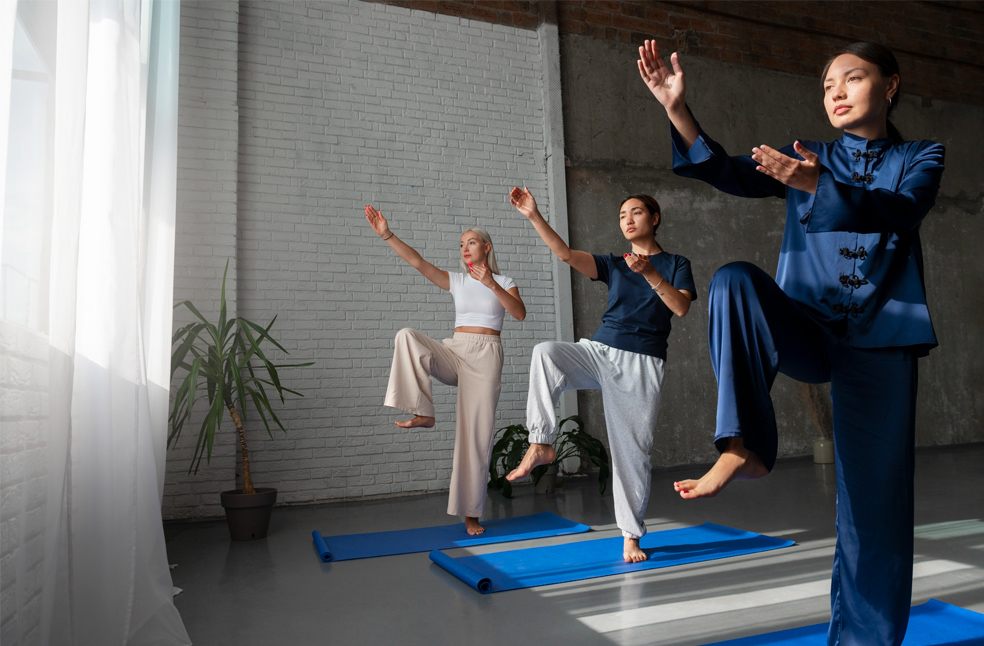
How the challenge could work
Days 1–7: Learn to slow down
Begin with 5–10 minutes. Focus on standing comfortably, breathing steadily, and learning a few basic movements rather than trying to memorise an entire sequence.
Days 8–14: Build consistency
Increase the session to around 10–15 minutes. Try practising at approximately the same time each day so that Tai Chi becomes a routine rather than another task on your to-do list.
Days 15–21: Focus on balance and coordination
Pay attention to weight shifting, posture, and controlled transitions between movements. The goal is not speed or perfection but awareness and control.
Days 22–30: Make it sustainable
Continue with 10–20-minute sessions and consider whether you feel more comfortable with the movements, more aware of your posture, or simply more willing to take a short pause during a busy day.
What should you expect?
The challenge shouldn’t promise a dramatic transformation in 30 days. Instead, the story can focus on small, measurable habits.
Readers could keep a simple daily journal and record:
- How long they practised
- Their energy level before and after
- How relaxed they felt
- Whether they noticed changes in balance or mobility
- How easy it was to stay consistent
- Whether they enjoyed the practice
This gives the challenge a more engaging ‘try it yourself’ element without making unsupported health promises.
What research really shows
It’s worth emphasising that much of the strongest research on Tai Chi has focused on older adults and specific health conditions, rather than healthy young adults undertaking a 30-day challenge.
Studies have also used widely varying session lengths and frequencies. For example, research reviewed by NCCIH includes programmes ranging from short sessions several times a week to longer sessions conducted over several months.
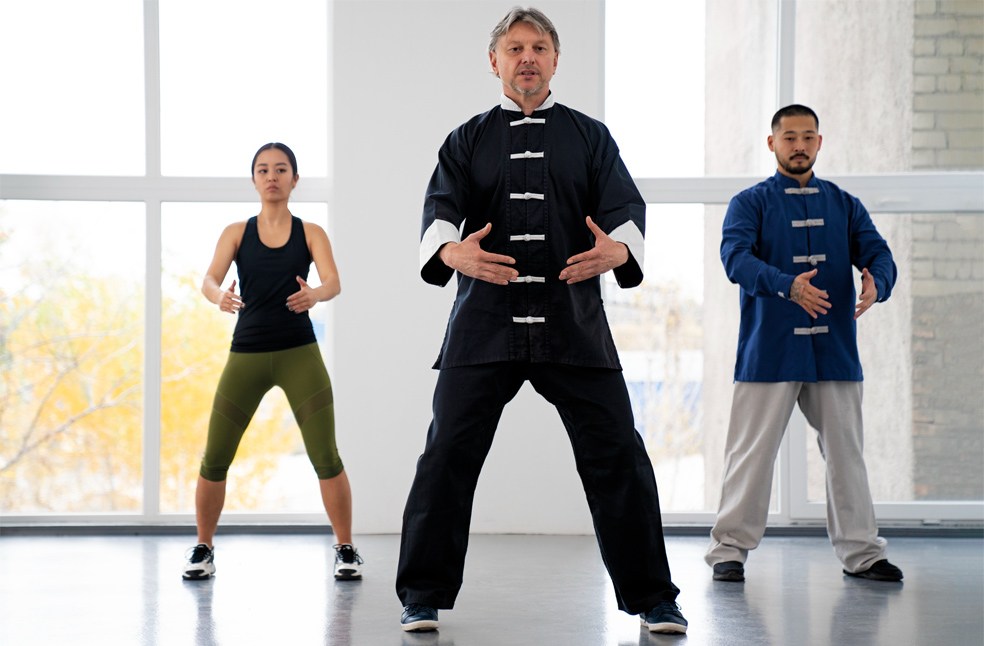
So, the 30-day challenge should be presented as a wellness habit experiment, not a scientifically established programme that guarantees specific results.
Safety angle
Tai Chi is generally considered a gentle practice, but beginners should still start gradually and avoid movements that cause pain, dizziness, or discomfort.
People with existing health concerns, mobility problems, or injuries should consider speaking with a healthcare professional before starting a new exercise routine. NCCIH also recommends discussing complementary health practices with healthcare providers.
The Bigger Picture
Perhaps the real challenge isn’t learning every Tai Chi movement. It’s making time to slow down.
For 30 days, instead of chasing faster workouts, bigger goals, or longer routines, the challenge asks for something much simpler: a few quiet minutes of movement, breathing, and attention. And in a wellness culture that often celebrates doing more, learning to do something slowly may be a challenge worth taking.
YOU MAY LIKE | How Zentangle helps reduce stress one line at a time
