


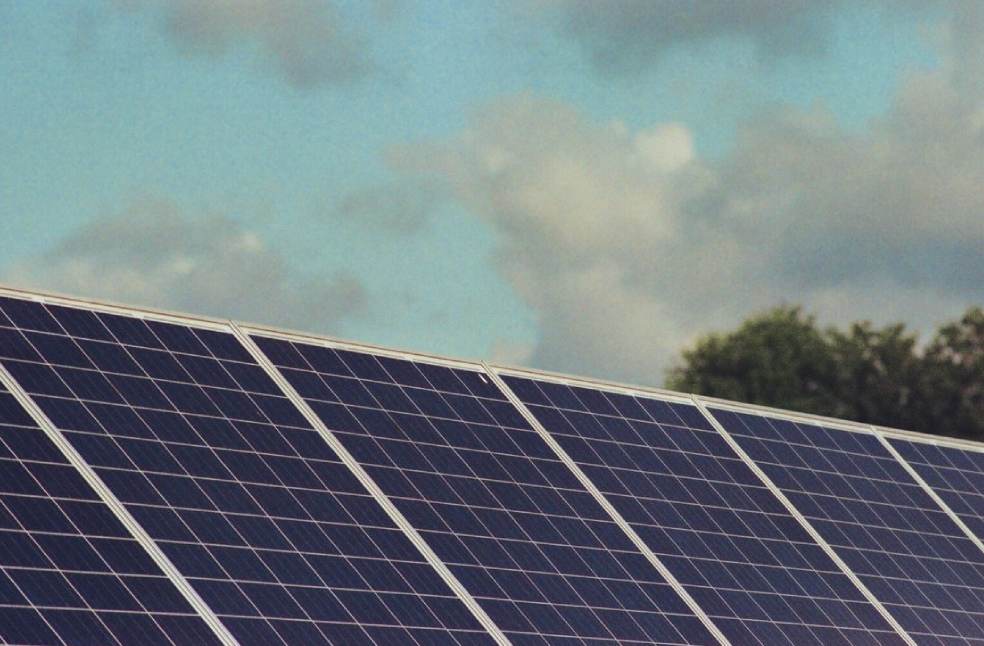
Canberra: Australia will cut the cost of installing rooftop solar systems on factories, warehouses, farms and other businesses by around 20 percent, as the government expands renewable energy subsidies to accelerate the country’s transition towards cleaner power.
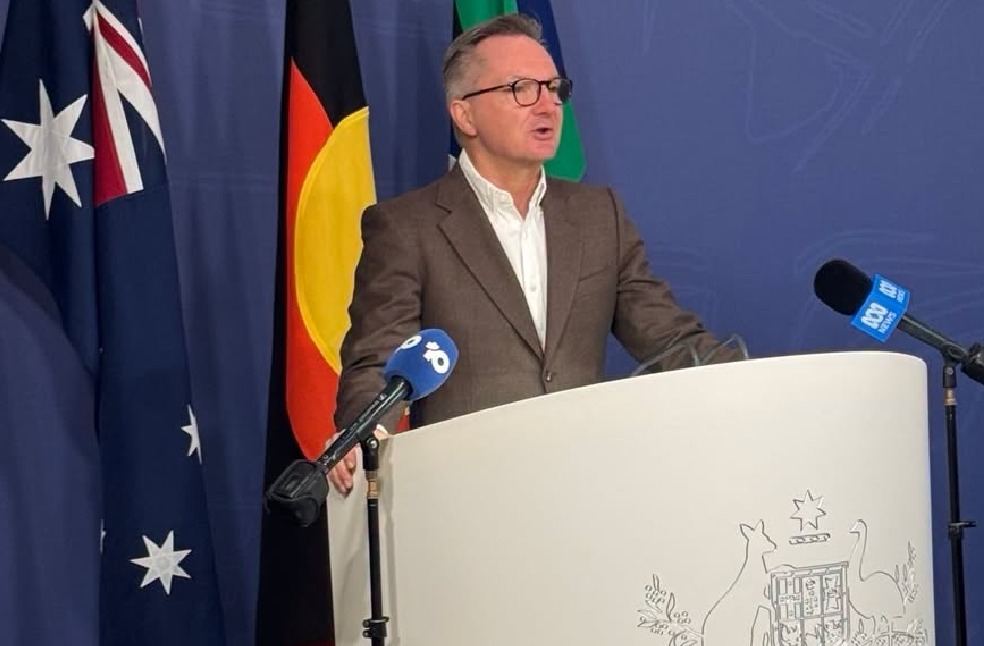
Climate Change and Energy Minister Chris Bowen announced the expanded support on August 5, saying the government would increase the maximum size of solar installations eligible for its discount programme.
Under the changes, subsidies will be available for rooftop solar systems of up to 1 megawatt (MW), around 10 times larger than the previous maximum. The expansion is designed to make solar installations more affordable for commercial, industrial and agricultural properties with significantly greater electricity requirements than households.
Bowen said the measure would reduce installation costs by around one-fifth, providing businesses with immediate savings while helping them lower their ongoing energy expenses. The policy builds on existing government incentives for residential rooftop solar panels and battery systems, which have contributed to rapid adoption of household renewable energy across Australia.
Around one-third of Australian homes now have rooftop solar installations, the highest proportion globally, according to the government. Together, household solar systems generate approximately 10 per cent of Australia’s electricity.
The expansion into larger commercial installations is expected to increase the amount of renewable electricity generated close to where it is consumed, potentially reducing pressure on the electricity grid while lowering demand for power generated by coal-fired plants.
Factories and warehouses typically have large roof areas that can accommodate significantly larger solar installations, while farms and other agricultural businesses can also benefit from generating electricity on site.
The government sees rooftop solar and battery storage as important components of Australia’s broader energy transition as it seeks to increase renewable generation and reduce dependence on fossil fuels. The expanded subsidy is expected to encourage more businesses to invest in larger rooftop solar systems by lowering upfront costs while allowing companies to benefit from reduced electricity bills over the longer term.
ALSO READ | Tesla’s China footprint complicates path to possible SpaceX merger
