


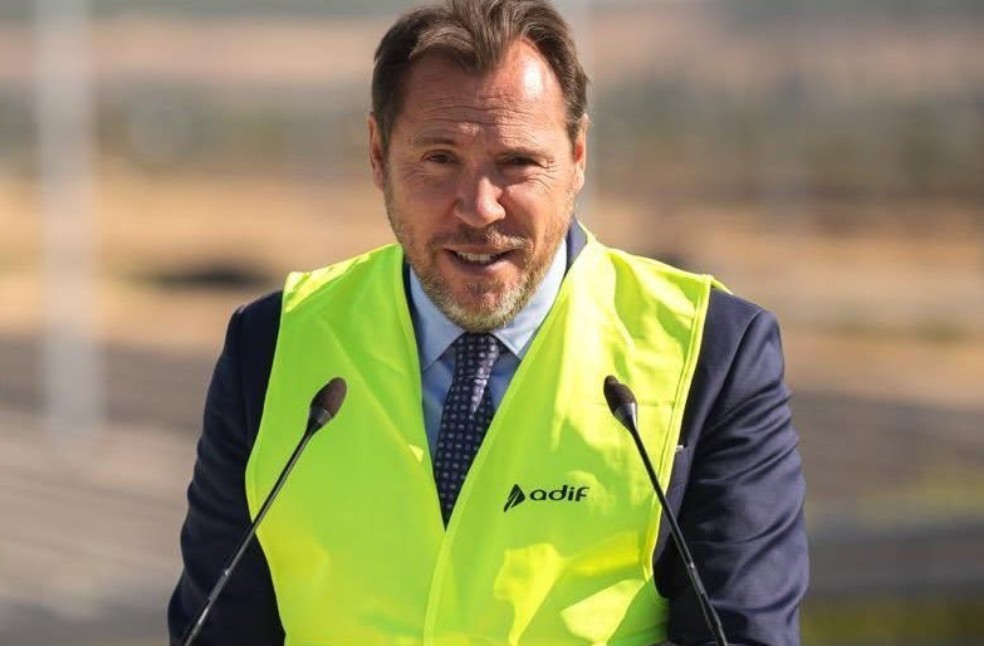
Madrid: Spain’s Transport Minister Óscar Puente has resigned, six days after a devastating high-speed train collision that killed at least 69 people and injured dozens near the town of Urda, south of Madrid.
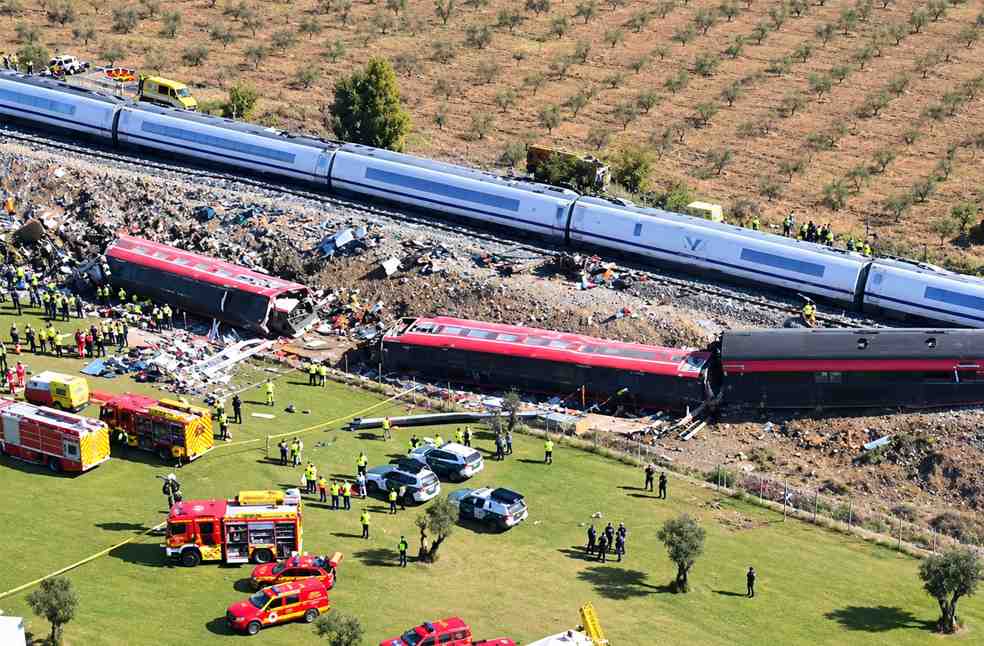
The accident, which occurred on October 28, involved a moving train crashing into the rear of a stationary train, making it one of Europe’s deadliest rail disasters in recent years. Announcing his decision during a congressional session, Puente stated that he could not continue serving as transport minister following two major rail accidents within less than a year. He also confirmed that he was withdrawing his name from the lists for the early legislative elections scheduled for November 29.
Pressure mounts following rail disaster
Puente’s resignation came with mounting political pressure from opposition parties, including the conservative People’s Party (PP) and far-right Vox, which had called for him to step down. Some government allies had also questioned his position following the accident. Critics argued that the minister should take responsibility for safety concerns surrounding Spain’s high-speed railway network.
The January rail accident, which claimed 46 lives on the same line, further intensified scrutiny of the country’s railway safety standards. Prime Minister Pedro Sánchez acknowledged that public confidence in the railway system had been seriously damaged.
Addressing parliament, Puente outlined additional rail safety measures and faced questions from opposition lawmakers about the circumstances surrounding the collision. He maintained that his decision to resign was driven by political dignity and respect for the victims.
Prime Minister Pedro Sánchez praised Puente for addressing the situation and taking responsibility, describing his decision to step aside as an act of respect for those affected by the tragedy.
Investigation focuses on signalling system failure
Meanwhile, the circumstances surrounding the collision remain under investigation. The accident involved a state-owned Renfe train carrying 397 passengers and a private Iryo train carrying 147 passengers. Reports indicate that a technical problem with the automatic signalling system had forced trains to stop along the affected section of track.
Audio recordings published by Spanish media have raised further questions about communications between train drivers and the control centre shortly before the collision. The recordings reportedly suggest that the Renfe train was authorised to continue its journey despite the Iryo train remaining stationary ahead.
In one recording, a control centre operator instructed the Renfe driver to proceed at normal speed using a backup signalling system. Separately, the Iryo train driver informed the control centre that the train had lost communication with the control system and could not resume its journey.
The recordings have added to concerns about how the two trains were managed before the collision. Iryo confirmed that its carriages had been struck from behind by the Renfe train. Puente’s departure now places further pressure on the Spanish government to restore public confidence in the country’s railway network as investigations continue and the country approaches its early general elections.
RELATED | Spain begins mourning after high-speed train crash kills 68
