


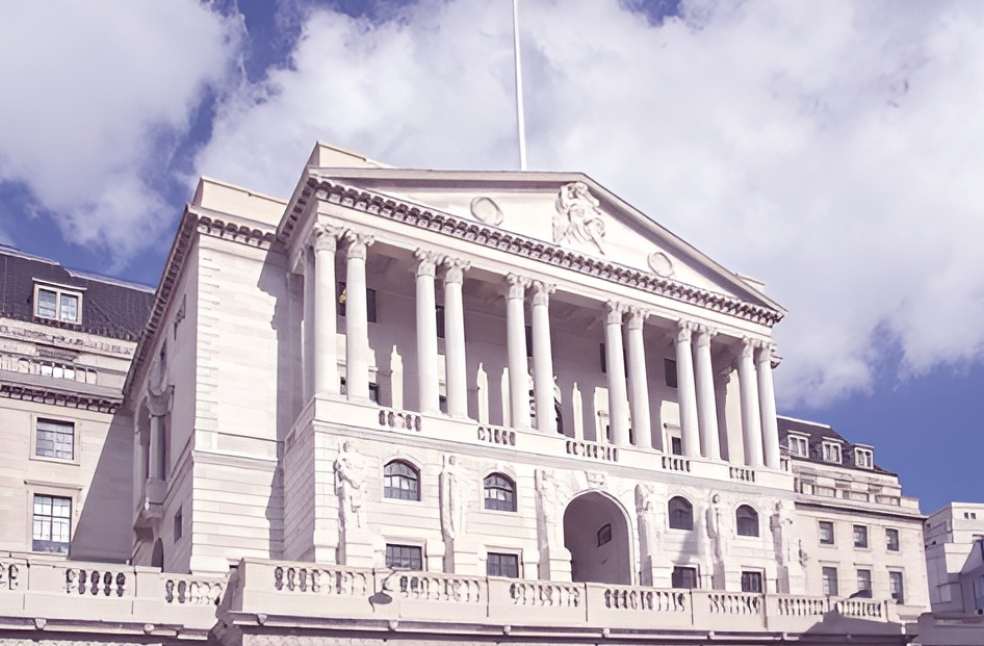
London: The Bank of England has announced that it will no longer accept bonds linked to the thermal coal industry as collateral for key lending operations, marking a significant shift in its approach to climate-related financial risks.
The new policy, which takes effect in October, has been welcomed by climate campaigners as a strong signal that high-carbon assets are becoming increasingly risky in the global financial system. Under the revised framework, commercial banks borrowing funds from the Bank of England will no longer be able to use bonds tied to thermal coal companies as collateral.
The central bank regularly provides short-term loans to major lenders, including Barclays, Lloyds, NatWest and HSBC, to support financial stability, with borrowers required to pledge bonds or other eligible assets as security.
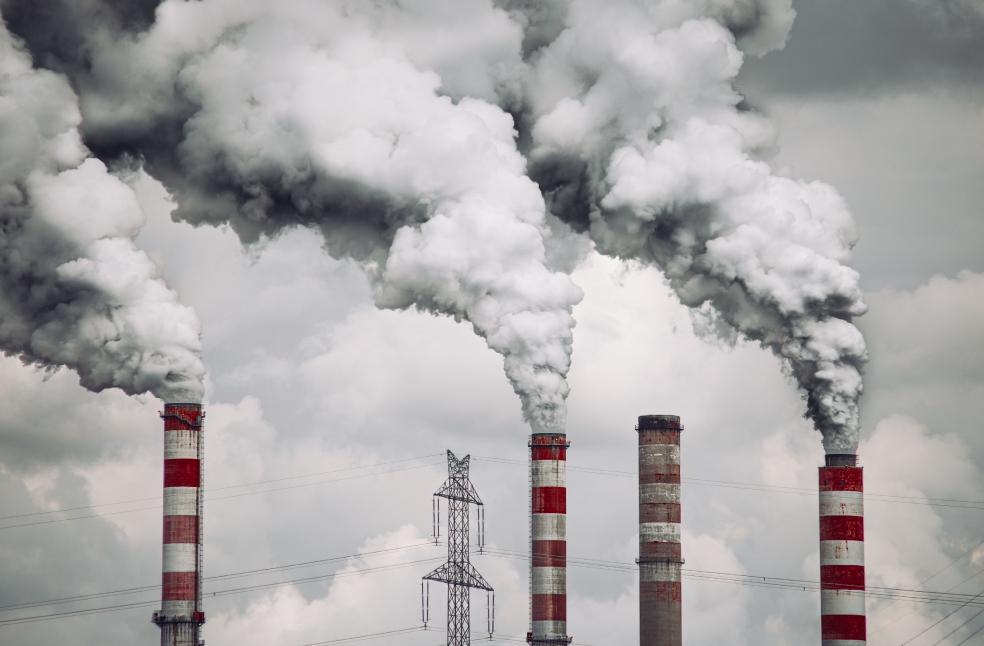
The Bank said thermal coal companies face growing financial risks as economies transition toward net-zero emissions, increasing the possibility that such assets could lose value over time. It also indicated that bonds from other sectors exposed to climate-related risks could face valuation discounts to better protect the central bank’s balance sheet.
Environmental groups welcomed the decision, describing it as one of the strongest climate-related financial measures adopted by a major central bank. Ellie McLaughlin, Senior Policy and Advocacy Manager at Positive Money, said the move sends a clear message to financial markets that investments linked to thermal coal are becoming increasingly unattractive.
The policy was quietly published by the Bank of England in early June, receiving little public attention despite its significance. Analysts noted that the new rules are stricter than similar measures currently in place at several other major central banks, including the European Central Bank.
According to Reclaim Finance, around 150 of the world’s largest financial institutions have already introduced restrictions on their dealings with the thermal coal sector. Campaigners hope the Bank of England’s latest decision will encourage commercial banks to further reduce their exposure to coal-related assets.
The announcement comes with a broader global debate over climate finance, as some financial institutions have softened environmental commitments following a political backlash against green policies in the United States. Despite these challenges, climate advocates argue that central banks have an important role in safeguarding financial systems from long-term climate risks.
While welcoming the policy, campaigners say further action is needed. They are urging the Bank of England to extend similar restrictions beyond thermal coal to cover all fossil fuel expansion projects and other environmentally harmful activities such as deforestation, strengthening its commitment to climate risk management.
POPULAR | Russia launches massive missile strike on Kyiv; At least 1 killed
