


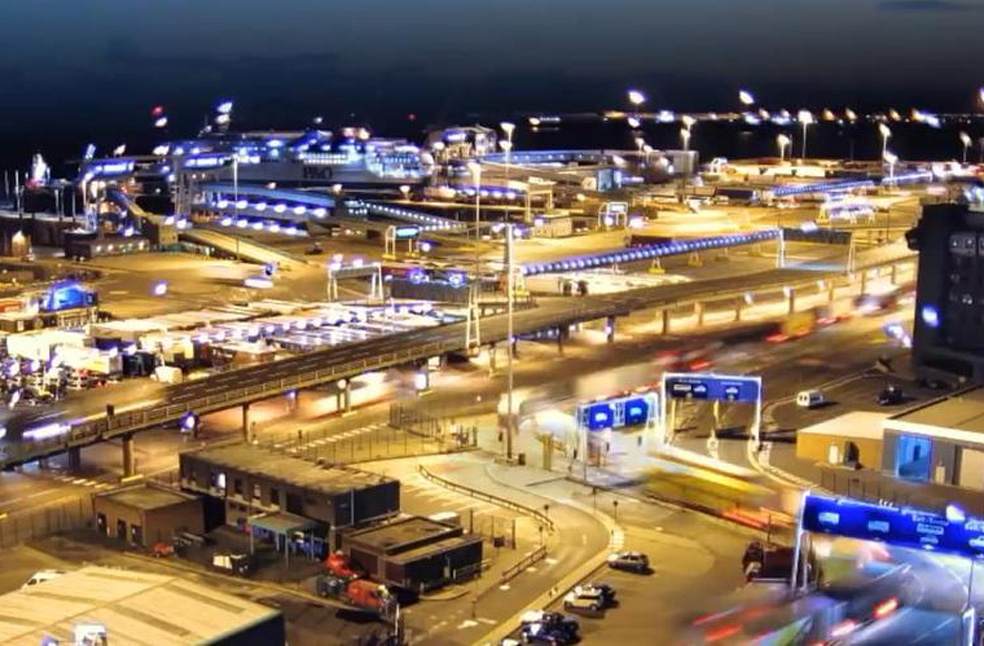
Dover: Motorists heading to Europe faced lengthy delays at the Port of Dover on July 17 evening as the UK prepared for one of its busiest summer travel weekends in recent years.
Queues of up to 45 minutes were reported at the port, while the RAC estimated that 14.1 million drivers would be on UK roads over the weekend.
July 18 is expected to be the busiest day, with around 3.4 million journeys, making it the second busiest day for road travel since the RAC began tracking the data in 2016.
#TrafficUpdate at #PortofDover. Please expect a 5-minute processing time in the Buffer Zone. There are small queues at the check-in booths for all operators. The approach roads to and from the Port remain clear. Safe travels! pic.twitter.com/QkVdNanRXr
— Port of Dover Travel (@PoD_travelnews) July 18, 2026
The Port of Dover anticipated handling around 7,500 cars on July 17, with numbers expected to rise to nearly 10,000 vehicles on July 18 as holidaymakers travel to continental Europe.
Doug Bannister, Chief Executive of the Port of Dover, said extensive preparations had been made to manage the busy getaway period. However, he acknowledged there remains uncertainty over the impact of the European Union’s Entry/Exit System (EES), which was fully introduced in April.
Under the new border system, travellers from non-EU countries, including the UK, are required to register their fingerprints and have a photograph taken when entering the Schengen Area, which includes 29 European countries.
The checks are carried out at the Port of Dover, Eurotunnel’s Folkestone terminal and London St Pancras, where French border controls operate before departure.
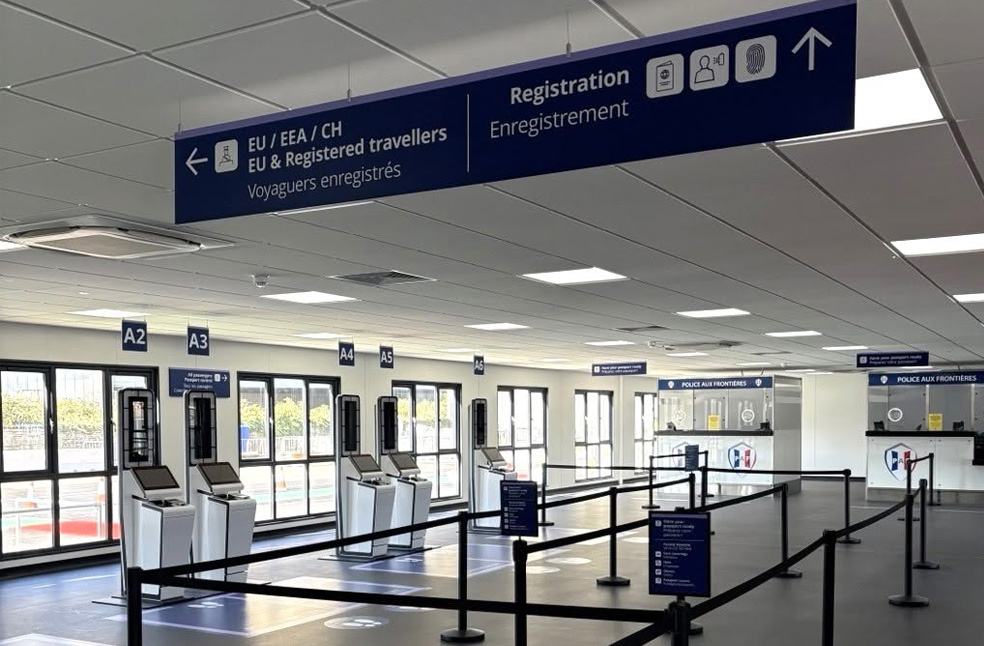
The new process has raised concerns about longer waiting times. During the May half-term holiday, the Port of Dover declared a critical incident after queues stretched to more than four hours as around 8,500 outbound tourist vehicles passed through the port.
To help minimise disruption, UK Transport Secretary Heidi Alexander recently met her French counterpart, Philippe Tabarot, to discuss a practical approach to implementing the new checks.
The UK government has also announced £20 million in funding to improve transport infrastructure in Kent, following an earlier £10.5 million investment shared between Dover, Folkestone, and London St Pancras, with the aim of easing congestion during peak travel periods.
The Port of Dover noted that it has made extensive preparations to manage the expected surge in holiday traffic, while warning that the full impact of the EU’s new Entry/Exit System remains uncertain.
ALSO READ | Nike misses World Cup final as Adidas secures spotlight
