



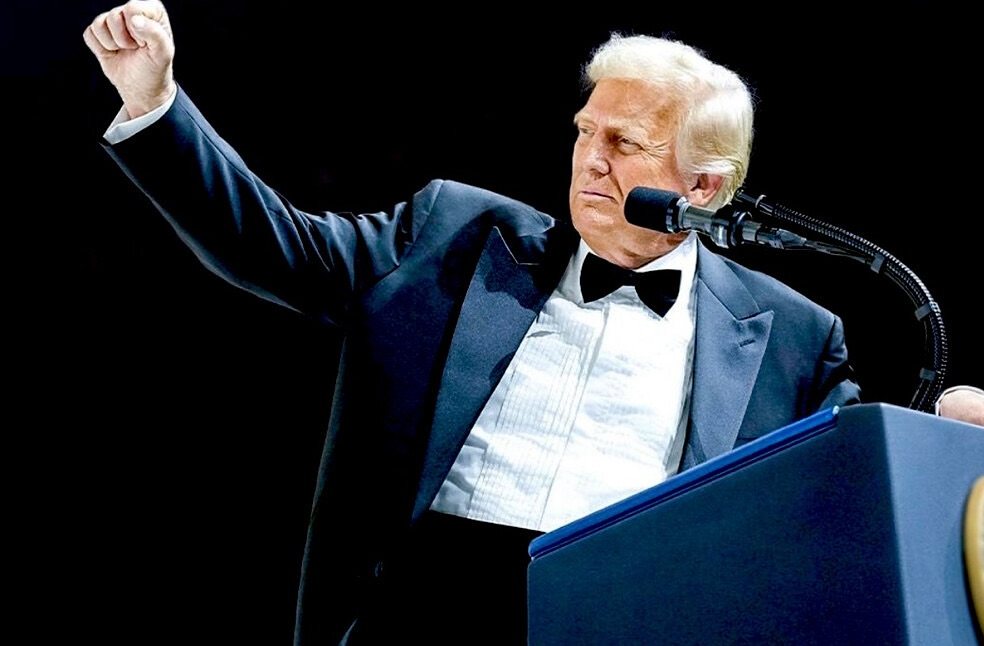
Singapore: Global oil prices have plunged by nearly 15 percent after Donald Trump announced a conditional pause on military action against Iran.
The move has been linked to a proposed two-week ceasefire and the reopening of the Strait of Hormuz, a key global energy route.
Brent crude has fallen 14.4 percent to $93.48 (£83.38) per barrel, while US crude futures have dropped 14.7 percent to $96.27 (£76.92). Despite the sharp decline, oil prices have remained higher than levels recorded before the conflict began earlier this year.
The agreement has emerged shortly before a deadline set by Trump, with Iran signalling willingness to allow passage through the Strait of Hormuz for a limited period. Tehran has also confirmed that it would accept a temporary ceasefire if attacks were halted, with further talks expected to begin soon.
The Strait of Hormuz has remained a critical focus, as it handles nearly one-fifth of global oil and liquefied natural gas shipments. Disruptions in the route have contributed to rising oil prices and heightened concerns over global inflation.
Financial markets have responded positively to the developments. Major Asian stock indices, including Japan’s Nikkei 225 and South Korea’s Kospi, have recorded strong gains, while Hong Kong and Shanghai markets have also moved higher.
Analysts have indicated that the drop in oil prices reflects temporary relief rather than a long-term resolution. Market experts have suggested that the two-week ceasefire may allow some oil shipments to resume, easing immediate supply pressures without significantly increasing production.
The oil prices outlook has remained uncertain, with investors closely monitoring whether negotiations between the US and Iran will lead to sustained de-escalation. Confidence among insurers and shipping operators will also play a key role in determining whether normal traffic through the Strait of Hormuz can resume.
Additional market indicators have shown mixed responses, with bond yields easing and gold prices rising, reflecting ongoing caution among investors. Cryptocurrencies have also recorded gains following the announcement.
The broader situation has underscored how geopolitical developments continue to influence oil prices and global financial markets, with further volatility expected depending on the outcome of upcoming negotiations.
TRENDING | Vance set for Hungary visit to support Orban before vote
