US producer inflation eases with lower energy costs
This shift highlights easing cost pressures, moderating inflation signals, and lingering risks from volatile energy markets and global geopolitical tensions.
Washington: US producer prices have fallen 0.3 per cent in June, marking the steepest monthly decline in 14 months as energy costs dropped sharply.
Data released by the Labor Department has shown that the Producer Price Index (PPI) decline followed a revised 0.6 per cent rise in May, against expectations of no change after an earlier 1.1 per cent estimate. The drop has been driven by a 1.4 per cent fall in goods prices, the largest since July 2022.
Service sector prices have increased 0.2 per cent after a slight fall in May. Trade services have risen 0.4 per cent and accounted for most of the gain. Prices have also increased across retail categories such as apparel and furniture, along with loan services and hospital care.
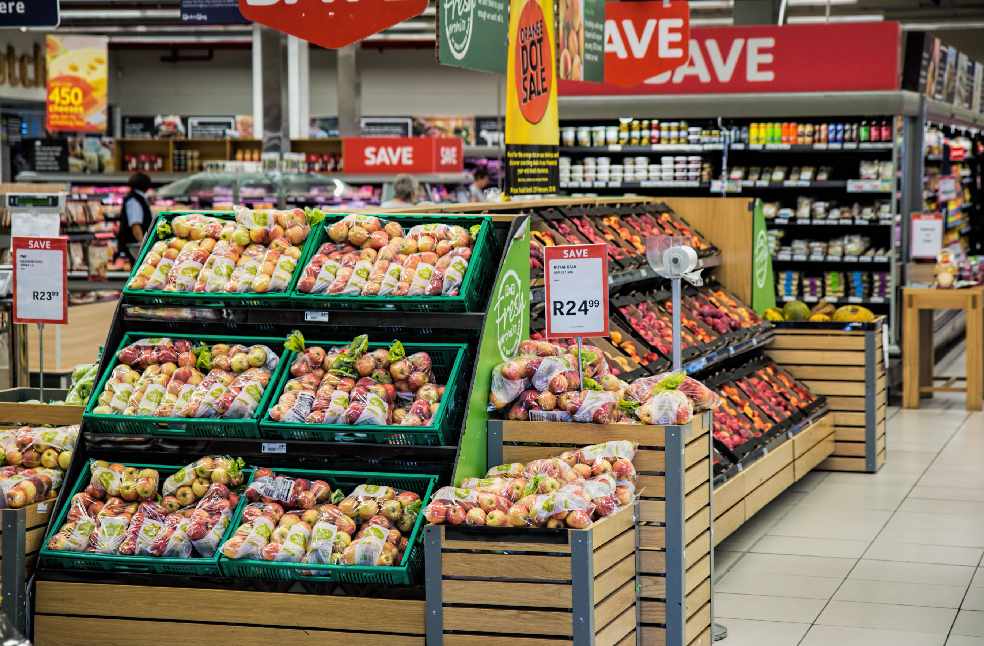
Food prices have recorded a broad decline. Wholesale food costs have fallen 0.6 per cent. Prices for fresh fruits and melons have dropped 2.2 per cent. Vegetables have declined 6.0 per cent. Grain prices have plunged 12.0 per cent. Meat and poultry categories have also seen reductions.
Image Via: Zülfü Demir@Pexels | Cropped by BH
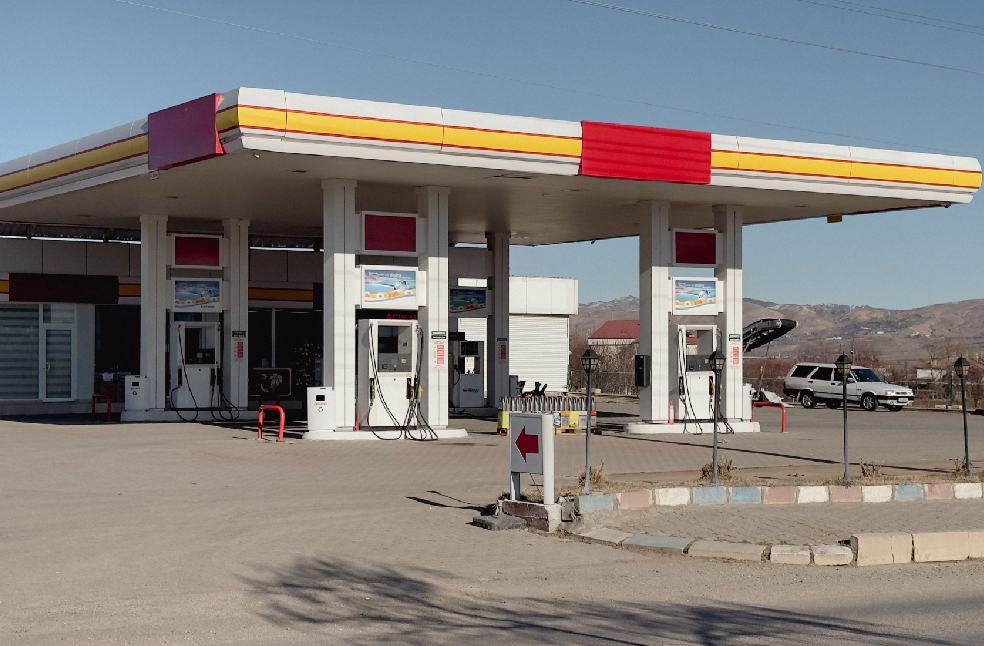
Energy costs have led the decline, with prices for energy products falling 6.4 per cent after an 8.4 per cent surge in May. Gasoline prices have dropped 12 per cent, accounting for nearly two-thirds of the fall, while natural gas prices have declined 6.4 per cent and residential electricity costs have risen 0.7 per cent.
Core goods prices, which exclude food and energy, have risen 0.2 per cent after two consecutive 0.7 per cent increases. Price pressures linked to artificial intelligence infrastructure have remained visible. The cost of electronic computers and related equipment has surged 2.5 per cent.
The inflation data has followed a 0.4 per cent drop in the Consumer Price Index (CPI) for June. Annual consumer inflation has slowed to 3.5 per cent from 4.2 per cent in May.
Economists have estimated that core Personal Consumption Expenditures (PCE) inflation has risen 0.2 per cent for the month, with annual growth easing to 3.3 per cent.
Image Via: AF Sadique@Pexels | Cropped by BH
The inflation outlook has been complicated by renewed tensions between the United States and Iran. Oil prices have climbed to a one-month high after Washington reimposed a naval blockade on Iranian ports. Attacks on tankers in the Strait of Hormuz have disrupted supply routes.
Markets have interpreted the data as reducing the likelihood of an interest rate increase in July, with the Federal Reserve expected to keep rates within the 3.50 per cent to 3.75 per cent range.
However, expectations of a possible rate hike in September have remained. Federal Reserve Chair Kevin Warsh has stated that price stability goals have not yet been met.
Financial markets have reacted positively as US producer inflation eased with lower energy costs. Stocks have risen, the dollar has weakened, and Treasury yields have declined amid pause expectations.
The news/article published above has been sourced, compiled, and corroborated by a Trainee Reporter at Britain Herald. If you have any queries or complaints about the published material, please get in touch with us at BritainHerald@Gmail.Com