


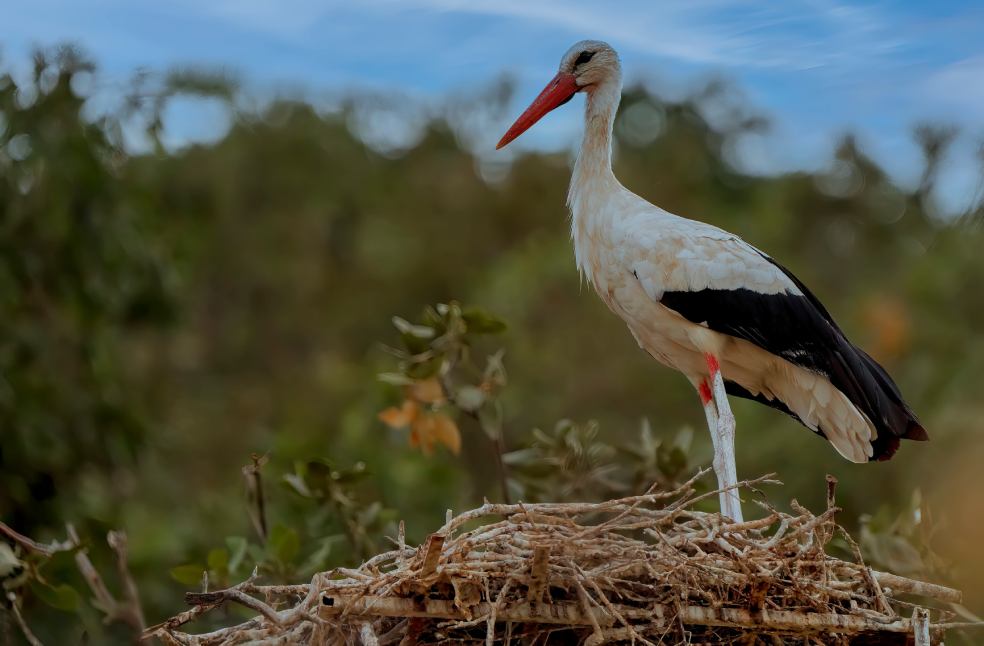
Poland: White storks across parts of Europe are increasingly feeding on food waste from landfill sites, gaining weight and conserving energy, but new research suggests the trend could pose significant long-term health risks.
The study, presented at the Society for Experimental Biology conference in Florence, found that white storks feeding at landfill sites generally have greater body mass and higher energy reserves than those relying on natural prey. Researchers say the readily available food allows the birds to spend less time searching for meals and more time breeding and caring for their young.
Scientists from the University of Veterinary Medicine Vienna studied white stork populations in Poland, where landfill feeding has become more common over the past decade. Unlike some Western European populations that depend heavily on waste sites, many Polish storks still forage naturally, allowing researchers to compare the effects of different feeding habits.
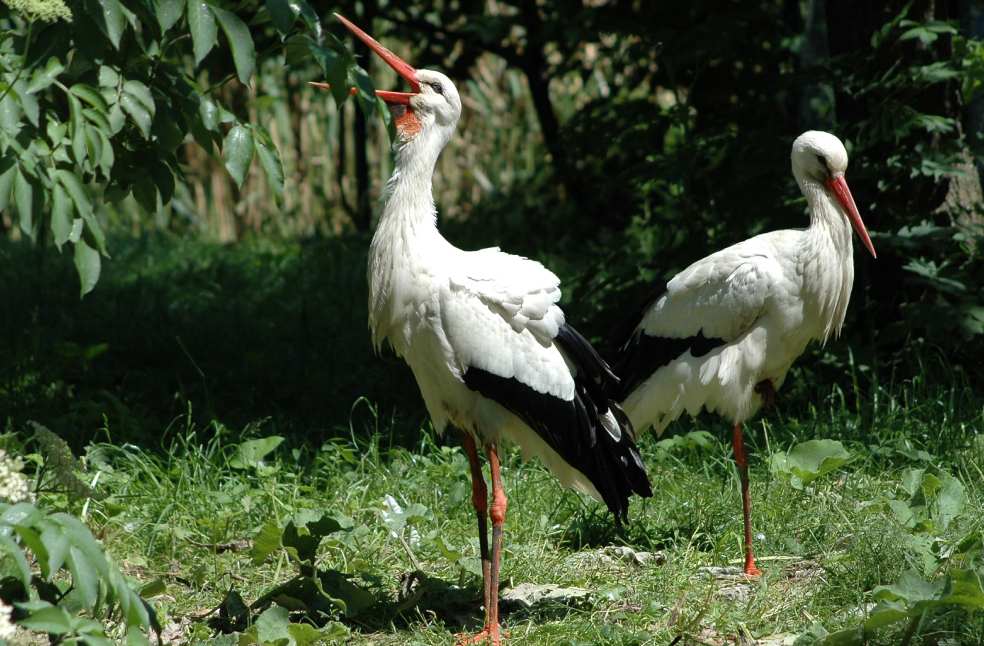
According to the research, landfill sites provide an abundant supply of discarded human food, meat scraps, insects, rodents and earthworms, helping the birds meet the high nutritional demands of the breeding season. However, these sites also expose storks to harmful materials such as plastics, glass, metal wires and heavy metals.
Researchers found evidence of DNA damage in young chicks that had been exposed to landfill-based diets, with signs appearing when the birds were only about a week old. The findings suggest that while landfill food offers short-term benefits, it may have hidden health consequences that are only beginning to be understood.
The study also indicates that easy access to landfill food is changing the birds’ natural behaviour. White storks, once known for their long-distance migrations between Europe and Africa, are increasingly remaining closer to breeding grounds where food is consistently available. Similar behavioural changes have already been observed among white stork populations in Spain and Portugal, where many birds have become partially migratory or remain year-round.
Experts say the issue presents a complex conservation challenge. While landfill food has contributed to the recovery of white stork populations that were once in decline, dependence on waste sites could create new risks as Europe continues to reduce access to open landfills under stricter waste management policies.
Conservationists believe future wildlife management strategies will need to balance protecting bird populations while limiting their exposure to contaminated food sources, ensuring the long-term health of one of Europe’s most recognisable bird species.
POPULAR | Cargo plane with 5 crew missing off Karachi Coast
