


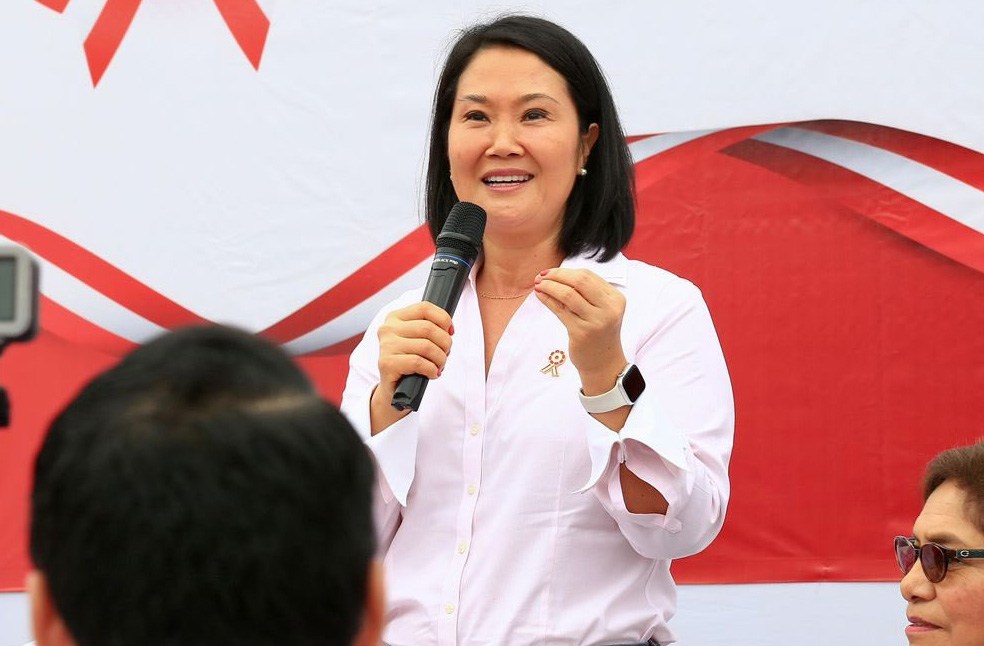
Lima: Right-wing candidate Keiko Fujimori has been declared the winner of Peru’s closely contested presidential election, nearly a month after the runoff vote, following certification of the final results by the country’s electoral court.
Fujimori secured 50.135 percent of the vote in the June 7 runoff, narrowly defeating left-wing rival Roberto Sánchez, who received 49.865 percent. The difference amounted to fewer than 50,000 votes, making it one of Peru’s closest presidential contests in recent history.
The victory marks Fujimori’s first successful presidential campaign after three previous unsuccessful bids in 2011, 2016, and 2021. Keiko is the daughter of former Peruvian President Alberto Fujimori and will become Peru’s ninth President in a decade, reflecting the country’s prolonged period of political instability.
Following the announcement of the results, Fujimori pledged to lead with responsibility and a strong sense of duty while using the transition period to engage with different sectors of society and prepare for the new administration.
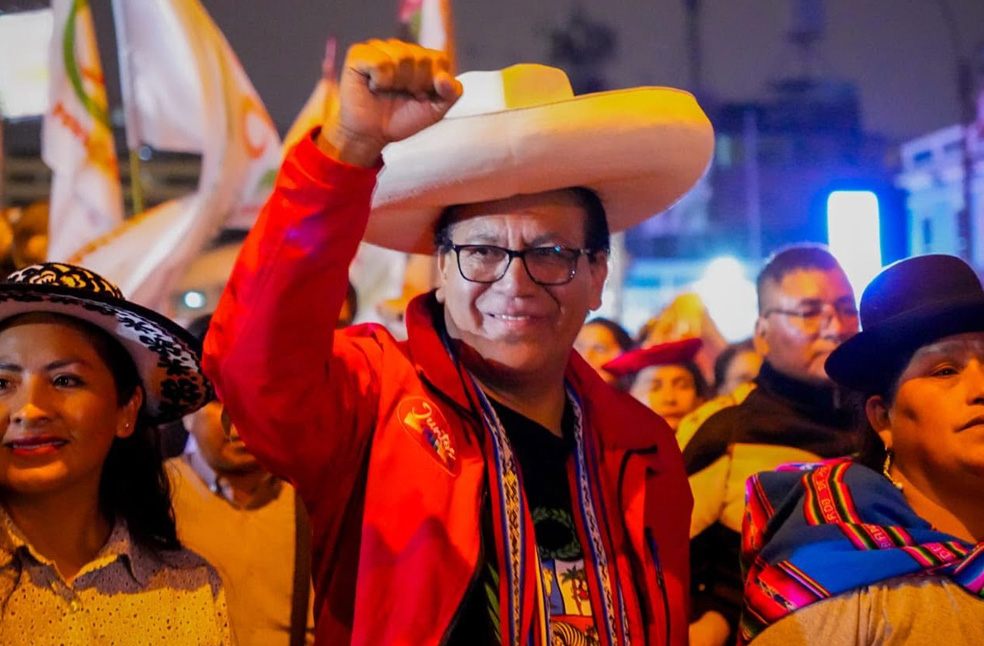
Roberto Sánchez, a former foreign Trade Minister, disputed the election outcome, alleging irregularities during the runoff and arguing that the strong backing Fujimori received from Peruvians living abroad raised concerns about the integrity of the vote. His party has appealed the electoral court’s decision and is seeking to have the election annulled.
The election campaign was largely shaped by growing concerns over organised crime, public security, and political uncertainty. Fujimori centred her campaign on restoring law and order, promising a stronger military response to organised crime, particularly the surge in extortion cases across the country.
Fujimori’s campaign drew heavily on the legacy of her father, whose presidency remains deeply divisive. Alberto Fujimori was later convicted of crimes against humanity related to extrajudicial killings and forced sterilisation programmes carried out during his increasingly authoritarian rule. Fujimori is expected to be sworn in on July 28.
Fujimori’s victory, alongside the election of Abelardo de la Espriella in Colombia, reflects a broader shift toward conservative leadership across Latin America. Leaders such as Nayib Bukele and Daniel Noboa have also promoted tough-on-crime policies and have aligned themselves politically with Donald Trump during his second term.
ALSO READ | Alibaba bans Anthropic’s Claude Code for employees
