


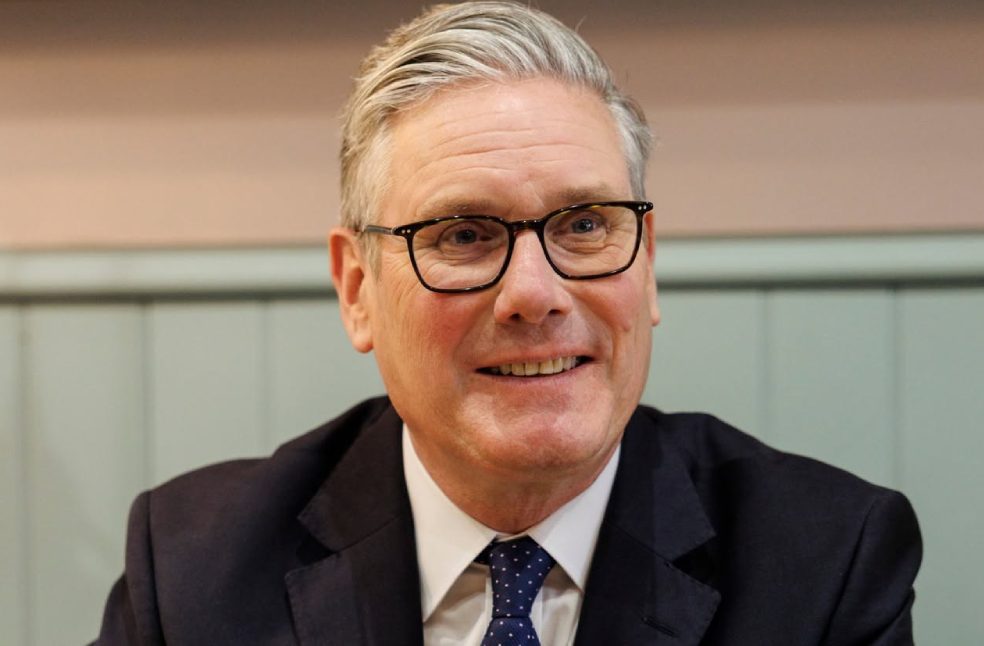
London: UK Prime Minister Keir Starmer has warned his likely successor, Andy Burnham, that no modern British leader can afford to prioritise domestic issues while neglecting international affairs, arguing that global events have a direct impact on people’s daily lives.
Starmer rejected the idea that a future prime minister could spend less time on foreign policy. He said issues such as the war in Ukraine and tensions in the Strait of Hormuz directly influence household costs and economic stability in the UK.
Starmer remarked that, “If you’re prime minister and you care what bills are going to be like in any household around the country, you have to care about finding a lasting solution to the situation in Ukraine, you have to care about what happens in the Strait of Hormuz.”
Responding to suggestions that his successor could focus more heavily on domestic priorities, Starmer said such a distinction was unrealistic in today’s interconnected world.
Throughout his premiership, the Labour leader faced criticism from political opponents who claimed he devoted too much attention to international diplomacy at the expense of domestic concerns. Burnham, by contrast, has largely centred his leadership campaign on domestic policy.
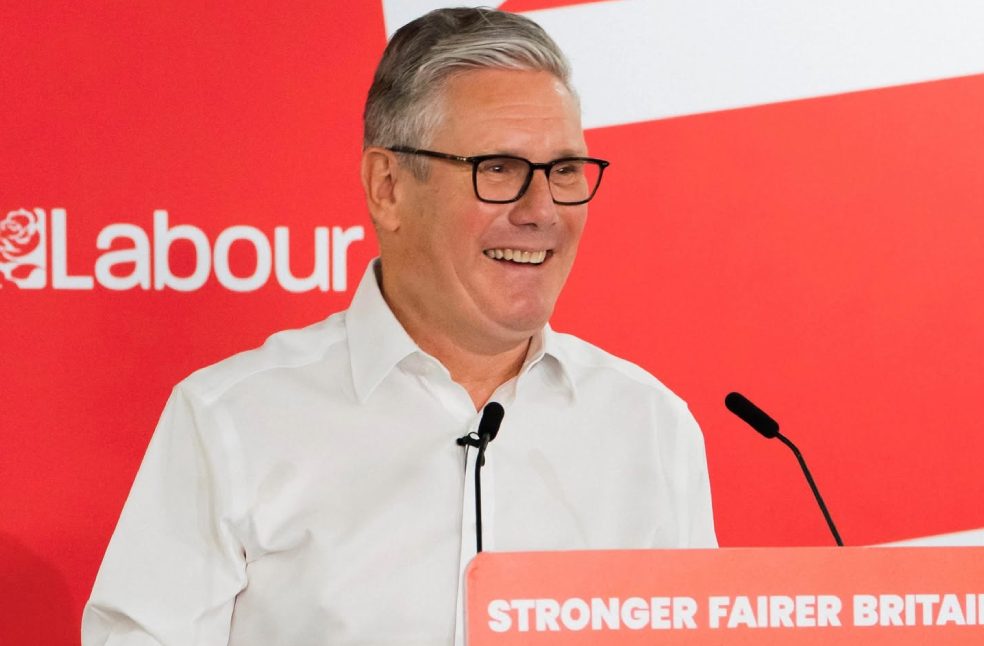
Starmer also reflected on his decision to step down after two years as prime minister, describing it as an ‘intensely personal’ choice made during a weekend with his family at Chequers. Starmer said he reached the final decision after spending time with his wife, Vic, and their children at the official country residence, adding that family discussions played a decisive role.
Looking back on his tenure, Starmer said he believed he had successfully rebuilt and ‘saved’ the Labour Party and described his time as prime minister as a success. He also pledged not to interfere with his successor’s leadership, saying he intended to ‘keep my mouth shut.’
Meanwhile, Burnham offered an early glimpse of his foreign policy stance during an online question-and-answer session on Reddit. He said he would maintain Britain’s strong support for Ukraine and indicated he would continue efforts to strengthen relations with the European Union, signalling continuity in key areas of UK foreign policy despite his greater emphasis on domestic issues.
POPULAR | Pope Leo urges US to uphold migrant ideals in Liberty Medal address
