



Close Menu

    Get the latest news around the globe

    Editor's Pick

    Health emergency in Cuba as mosquito-borne diseases spike

    Eco-Orbit; World’s first wooden satellite launched to combat space debris

    Property giant Evergrande suspends trading in Hong Kong

    Facebook X (Twitter) Instagram LinkedIn
    Facebook X (Twitter) LinkedIn Instagram
    Britain HeraldBritain Herald
    Subscribe
    • Home
    • World Roundup
    • Business
    • Tech World
    • Entertainment & Events
    • Curious
    • More…
      • Spotlight
      • Knowledge
      • Lifestyle
      • Awareness
      • Women World
      • Sports
      • Travel
      • Notable
      • Contact Us
    Britain HeraldBritain Herald
    Home » The fascinating science behind Déjà Vu and Jamais Vu
    Curious

    The fascinating science behind Déjà Vu and Jamais Vu

    A closer look at how the brain creates illusions of familiarity and unfamiliarity through the mysterious phenomena of déjà vu and jamais vu.
    Abhirami PriyaBy Abhirami PriyaMay 23, 2026
    Facebook Twitter LinkedIn WhatsApp
    A man walking through a spiral
    Image Via: Magnific | Cropped by BH

    Human memory is not always reliable. At times, the brain creates unusual sensations that make reality feel distorted for a few seconds. Two of the most fascinating psychological experiences connected to memory and perception are déjà vu and jamais vu. While they appear to be opposites, both reveal how complex the human brain truly is.

    What is Déjà Vu?

    Déjà vu is a French term meaning ‘already seen.’ It describes the strange feeling that a current situation has happened before, even when it clearly has not. A person may walk into a room for the first time yet feel as though they have experienced that exact moment previously.

    Scientists believe déjà vu occurs because of a brief mismatch in the brain’s memory-processing systems. The sensation is usually linked to the temporal lobe, a region involved in memory formation and recognition. Researchers suggest that the brain may accidentally classify a new experience as a memory, creating the illusion of familiarity.

    Déjà vu is extremely common. Studies indicate that nearly 60–70 percent of healthy people experience it at least once in their lives. It tends to occur more frequently among younger adults and individuals under stress or fatigue.

    Jamais vu vs deja vu-Image Via-Unplash
    Image Via: Anastasiya Badun@Unsplash | Cropped by BH

    Psychologists have also associated déjà vu with how the brain processes familiarity and recollection. Familiarity is the quick sense that something is known, while recollection involves remembering details. During déjà vu, familiarity may activate without actual recollection, causing confusion.

    What is Jamais Vu?

    Jamais vu is the opposite of déjà vu. The French phrase means ‘never seen.’ In this phenomenon, something familiar suddenly feels unfamiliar or unreal.

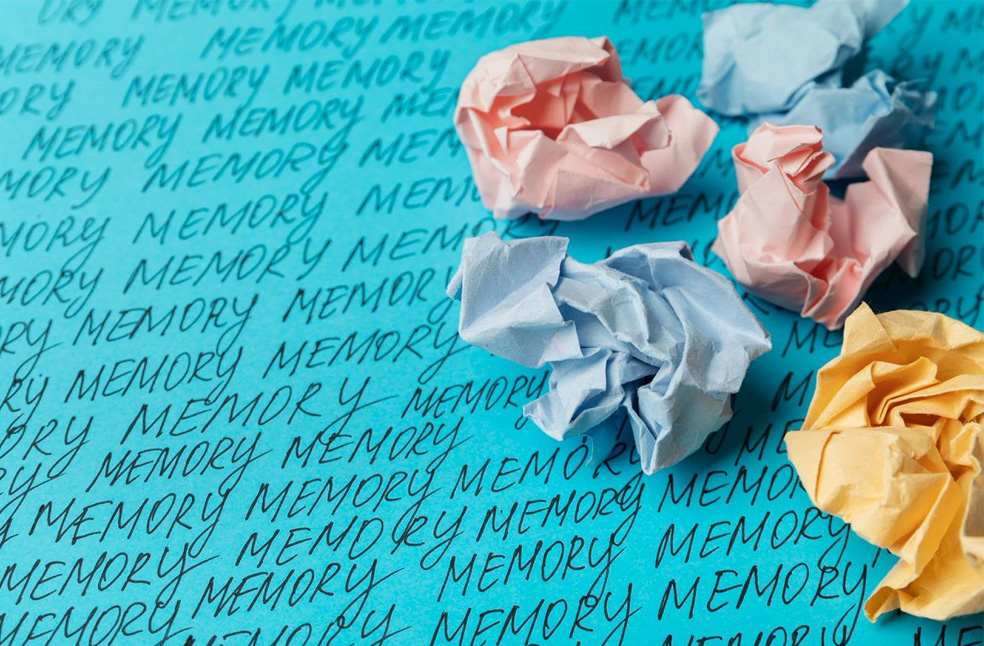
    For example, a person may repeatedly write a common word such as ‘door’ or ‘apple’ until the word begins to look strange and meaningless. Someone may also momentarily fail to recognize a familiar face, route, or even their own handwriting.

    Jamais vu is less common than déjà vu, but scientists consider it equally important for understanding memory and attention. Researchers believe it may happen when the brain becomes overly fatigued from repetition, causing a temporary disconnection between recognition and meaning.
    Memory written multiple times on a paper
    Image Via: Magnific | Cropped by BH

    A 2023 study published in the journal Memory explored jamais vu through repetitive writing experiments. Participants repeatedly wrote common words until many reported that the words felt unreal or lost meaning entirely. Scientists concluded that jamais vu may act as a signal that the brain’s checking and processing systems are becoming overloaded.

    Scientific explanations behind

    Neuroscientists believe both experiences involve disruptions in recognition memory. The brain constantly compares incoming information with stored memories. When this system briefly malfunctions, unusual sensations emerge.

    Brain regions involved

    Key brain regions associated with these experiences include:

    • The temporal lobe
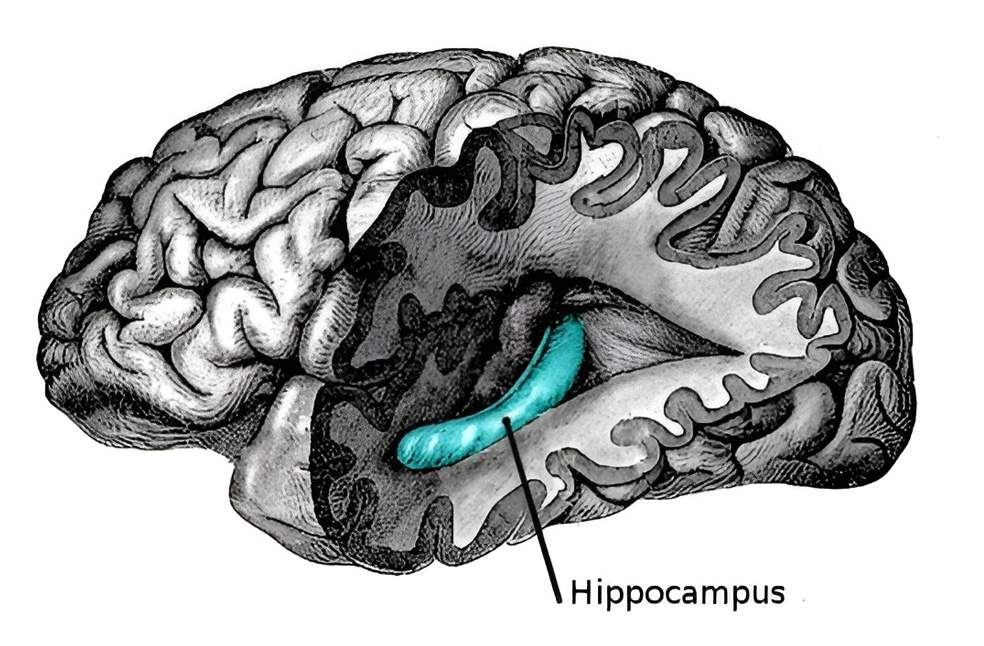
    • The hippocampus
    • The parahippocampal cortex
    • Neural familiarity circuits

    The hippocampus plays a major role in memory storage, while the parahippocampal cortex helps determine familiarity. Minor disruptions in communication between these regions may create false familiarity or unfamiliarity.
    Jamais vu vs deja vu-Image Via-Wiki
    Image Via: Wikipedia | Cropped by BH

    Déjà Vu and neurological disorders

    Although usually harmless, intense or frequent déjà vu can sometimes be linked to neurological conditions such as Temporal lobe epilepsy. Some patients experience powerful sensations of familiarity before seizures occur.

    Similarly, jamais vu has been observed in individuals with certain neurological and psychiatric conditions, including dissociative disorders and fatigue-related cognitive disturbances.

    Psychological significance

    Both phenomena demonstrate that memory is not a perfect recording system. Instead, the brain continuously reconstructs experiences using perception, attention, and stored information.

    Déjà vu reminds us that familiarity can sometimes be created without true memory, while jamais vu shows that repetition can temporarily strip meaning from familiar experiences.

    Scientists continue studying these unusual sensations because they provide valuable insight into consciousness, recognition, and how the human mind organizes reality.

    POPULAR | Power Naps: Tiny breaks that make big difference

    STAR OF SECTOR 2025
    BH Special Story Brain Perception Mechanisms Déjà Vu and Jamais Vu Familiarity And Recollection Human Memory Memory Illusion Science Neurological Disorders Psychological Experiences
    Share. Facebook Twitter LinkedIn WhatsApp
    Abhirami Priya
    Abhirami Priya
    • X (Twitter)
    • LinkedIn

    Abhirami Priya (Abhirami D. S) is a Desk Reporter at Britain Herald with UG & PG in Journalism and a Master’s in Multimedia Journalism from Sheffield Hallam University. She has been writing since 2019. Readers should independently verify facts and seek professional advice before acting on this content.

    Newly Updated

    Thousands hit by delays as Kenya airport strike enters second day

    August 31, 2026

    Studies explore link between inflammation and mental health

    August 31, 2026

    Russia, China leaders gather for SCO summit in Kyrgyzstan

    August 31, 2026
    STAR OF SECTOR 2025

    Business

    Europe’s gas storage drops to lowest level in 13 years

    Business August 29, 2026

    London: EU gas storage levels have fallen to their lowest point in 13 years ahead…

    Holiday Warning: 10 ways to spot misleading hotel reviews

    August 28, 2026

    Global tech firms urge action against rising AI threats

    August 28, 2026

    Nvidia revenue doubles to $96 billion as AI demand surges

    August 27, 2026
    Stay In Touch
    • Facebook
    • Twitter
    • LinkedIn
    • Instagram

    Curious

    Queensland woman gives birth to twins with different biological parents

    August 27, 2026

    Giant Python successfully treated with human cancer therapy

    August 21, 2026

    Forgotten history of dining tables and how we eat

    August 16, 2026

    Earth to witness billions receiving sunlight together

    July 8, 2026

    Get the latest news around the globe

    Knowledge

    Why migration is transforming cities around the world

    Knowledge August 19, 2026

    Migration is transforming modern cities by changing their populations, economies, cultures and urban landscapes. People…

    Forgotten history of dining tables and how we eat

    August 16, 2026

    30 Days of Tai Chi: A new way to move and slow down

    August 15, 2026

    10,000-steps rule: Where did that number actually come from?

    August 2, 2026
    18-EA-387-TryEngineeringSummerInst_BannerAd_300x250_Robot
    About Us
    About Us

    Britain Herald is a UK rooted, digital first media brand focused on business, diaspora, leadership, innovation and international affairs. Built for the emerging authority economy, it values credible expertise, trusted institutions and recognised voices.

    Operated and Managed by WellMade Network, the portal is a sister concern of GCC Business News and Emirati Times.

    Email Us: News@BritainHerald.com
    Whatsapp: +971 5060 12456

    We Have

    Thousands hit by delays as Kenya airport strike enters second day

    August 31, 2026

    Studies explore link between inflammation and mental health

    August 31, 2026

    Russia, China leaders gather for SCO summit in Kyrgyzstan

    August 31, 2026

    Record coral bleaching raises alarm over ocean health

    August 31, 2026

    Google renames Lake Ontario as Lake America for US users

    August 31, 2026
    Facebook X (Twitter) LinkedIn Instagram
    • Home
    • Business
    • Tech World
    • Awareness
    • Contact Us
    Privacy & Cookies Policy | Terms & Conditions
    © 2002 BritainHerald.com, An Initiative by WellMade Network

    Type above and press Enter to search. Press Esc to cancel.