


Cupertino, California: Apple has increased the prices of several MacBook and iPad models worldwide, citing a sharp rise in the cost of memory and storage chips driven by soaring demand for artificial intelligence (AI) infrastructure.
The technology company has raised prices on some laptops and tablets by nearly 20 percent, saying the electronics industry is facing unprecedented pressure as demand for chips used in AI data centres continues to outpace supply.
Apple said that the rapid increase in component costs has forced it to adjust prices after previously absorbing the additional expenses. The price hikes come as the broader consumer electronics industry grapples with escalating hardware costs, particularly for RAM and storage components.
Industry experts attribute the surge to the rapid expansion of AI data centres, which have created a significant imbalance between supply and demand for advanced memory chips.

Among the affected products is the MacBook Pro with 1TB of storage, which now costs $1,999 in the United States, up from $1,699. In the United Kingdom, Apple’s entry-level Neo laptop has also increased in price from £599 to £699, only months after its launch.
Apple said it had shielded customers from rising component costs for as long as possible but had reached a point where price increases on selected iPad and Mac products had become necessary. The announcement follows similar moves across the technology sector as manufacturers seek to offset rising production costs.
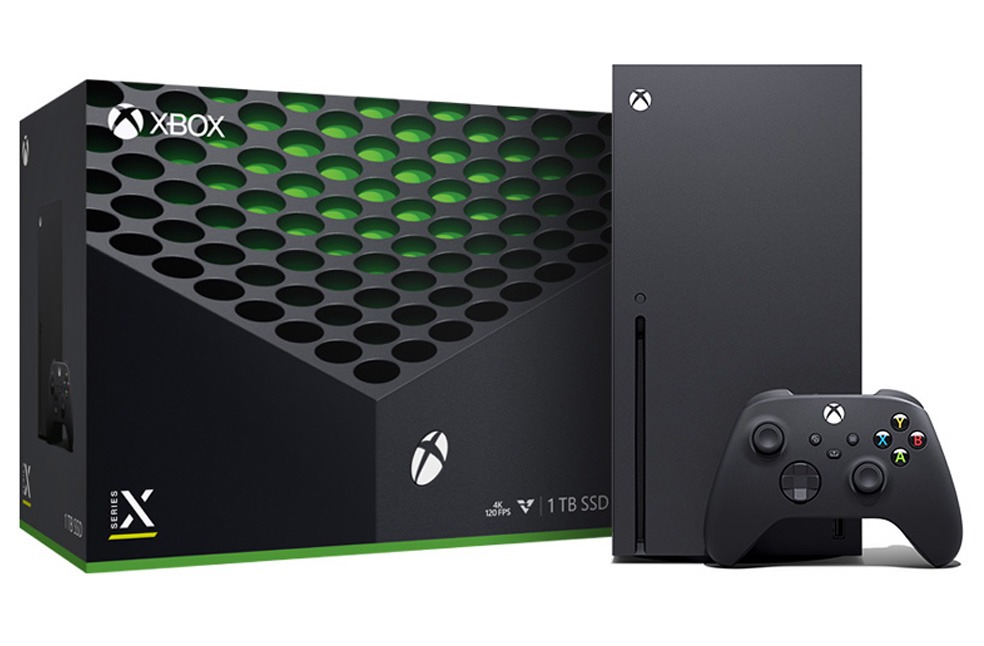
Microsoft-owned Xbox has also announced another significant increase in console prices, with its entry-level model rising by $100 to $499, while higher-capacity versions will increase by $150 to $749 beginning in August. The latest adjustment marks the second price increase for Xbox consoles in less than a year.
Analysts say Apple’s decision highlights how the AI boom is reshaping the consumer electronics market. The growing demand for memory and storage chips used in AI infrastructure is driving up manufacturing costs for a wide range of devices, including laptops, tablets, smartphones, and gaming consoles.
The world’s largest contract chip manufacturer, TSMC, has also warned that inflation and rising production expenses are increasing the cost of semiconductor manufacturing, adding further pressure to the technology supply chain.
Market analysts expect other PC and tablet manufacturers to follow Apple’s lead by increasing prices, reducing discounts on entry-level products, or shifting their focus toward higher-margin premium devices as component costs continue to climb.
The continued rise in memory and storage prices suggests consumers could face higher prices for a broad range of technology products in the coming years as the industry works to manage the growing demand generated by AI-driven computing.
ALSO READ | Australian MPs unite to form Community Strong Australia
