


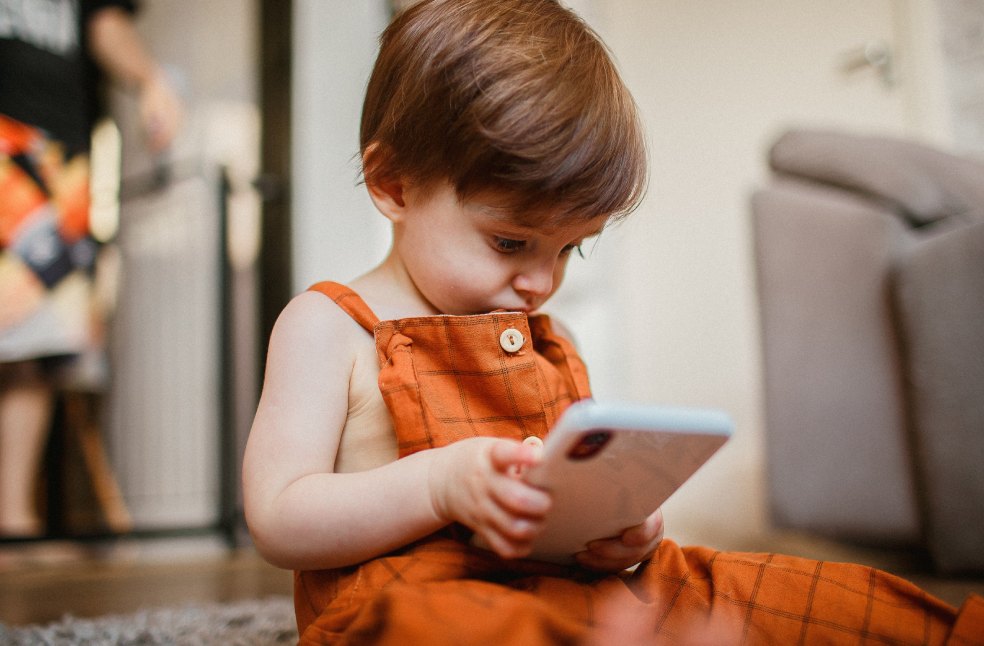
England: A major new study has found that regular screen time for babies and toddlers under the age of two may have lasting negative effects on their health, development, and overall quality of life, prompting researchers to call for stricter guidance and further investigation into the impact of digital devices on infants.
The review, described as the most comprehensive global analysis of research on the subject, concludes that children under two should not receive regular intentional screen time, warning that any potential benefits are outweighed by developmental risks.
Researchers behind the study say the widespread use of smartphones, tablets, and other digital devices in everyday parenting has created what they describe as a ‘baby blind spot’ in public policy, even as governments increasingly focus on regulating teenagers’ social media use.
Rafe Clayton, senior lecturer in media and communication at the University of Leeds and co-leader of the research, said parents are often unknowingly encouraging unhealthy digital habits from infancy due to the lack of clear guidance on their own screen use.
The study challenges existing government advice that allows limited shared screen activities for children under two, arguing that such recommendations may unintentionally give parents the impression that screen exposure at this age is safe.

Researchers identified several potential risks linked to early screen use, including reduced bonding between babies and caregivers, fewer opportunities for physical play and social interaction, delayed language development, sleep disturbances, overstimulation, concerns over eye health, and an increased risk of childhood obesity. The review also warns that some infants are beginning to rely on digital devices for comfort instead of seeking reassurance from parents.
Although the review did not establish direct cause-and-effect links between screen time and specific developmental disorders, the authors stress that no meaningful developmental benefits have been demonstrated for intentional screen use in children under two.
The research team, known as the Action on Digital Device Immersive Conditions Team, recommends introducing a national ‘baby screen-time risk assessment’ to help identify families where developmental concerns may be emerging and provide targeted support.
Carmen Clayton, professor of family and cultural dynamics at Leeds Trinity University and co-lead of the study, urged the government to improve communication with parents while recognising that many fear being judged when discussing their children’s screen habits.
Former UK minister Andrea Leadsom described the findings as a ‘wake-up call,’ saying the first 1,001 days of a child’s life are the most critical period for development and that parents should receive better support through family hubs offering trusted advice and practical assistance.
Leadsom also called on technology companies to stop marketing digital content as suitable for babies when growing evidence suggests otherwise. Responding to the findings, England’s Children’s Commissioner Rachel de Souza said current government guidance is intended to support parental judgement rather than replace it. She noted that while screen time should generally be avoided for children under two, limited shared activities such as video calls with relatives or supervised learning can still be appropriate in certain situations.
A spokesperson for the Department for Education said the government’s screen-time guidance for parents of children under five provides clear and trusted advice to help families navigate an increasingly digital world.
POPULAR | Trump threatens 100% tariffs on European nations over digital services taxes
