


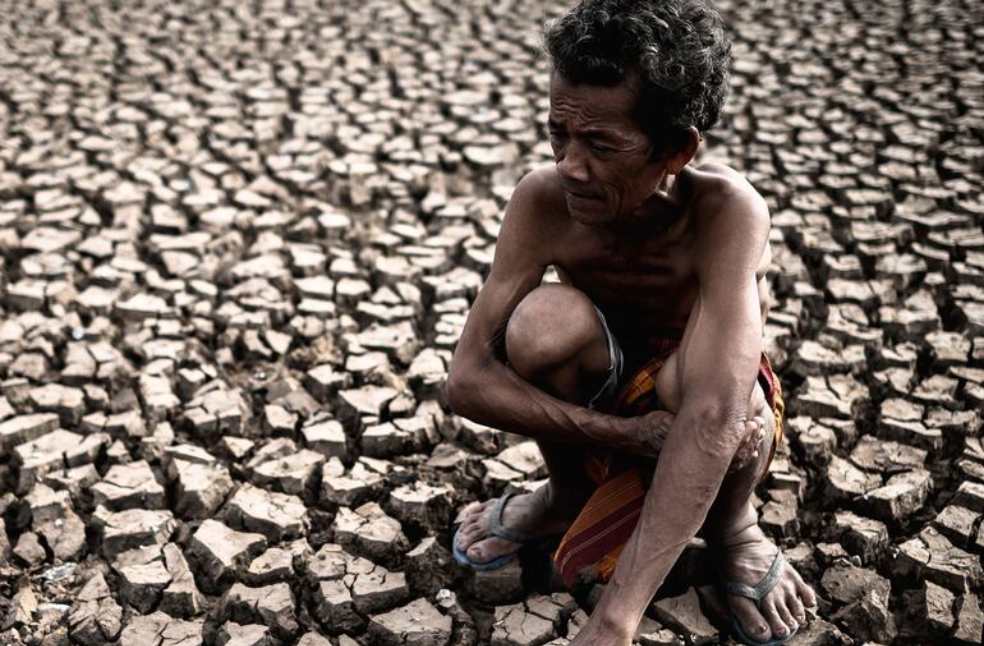
New York: The world has entered a ‘danger zone of extreme weather’ as a powerful El Niño event intensifies, United Nations Secretary-General António Guterres has warned.
The World Meteorological Organisation (WMO) said the phenomenon could become the strongest El Niño in more than 70 years and may continue until at least February 2027. The event is expected to significantly disrupt weather patterns across several regions, increasing the risks of drought, flooding, extreme heat and powerful storms.
António Guterres stated that, “El Niño is being supersized before our eyes. The science leaves no room for doubt: the planet is in uncharted waters, and those waters are heating up.” El Niño is a natural climate phenomenon that develops in the Pacific Ocean when changes in wind patterns allow warmer waters to move eastwards. The resulting release of heat into the atmosphere can influence weather conditions across the globe.
🌡️ El Niño is firmly established and will intensify into a very strong event in the coming months. WMO forecasts show ~100% likelihood that it will persist through February 2027.
A very strong El Niño ≠ same impacts everywhere.
🆕 WMO El Nino Update: https://t.co/KUPq04jjkT pic.twitter.com/PAx1EZTCOH
— World Meteorological Organization (@WMO) September 3, 2026
Sea surface temperatures in the central and eastern tropical Pacific have risen sharply in recent months. Temperatures in the key monitoring region have been more than 2°C above average, with forecasts suggesting they could approach 4°C above average. Such levels could make the current event the strongest El Niño recorded since at least 1950.
Global weather risks increase
The WMO has launched a major effort to distribute forecasts and early warnings to communities likely to face extreme weather. Governments and scientists are also strengthening early warning systems and preparing medical and emergency assistance in vulnerable areas.
WMO Secretary-General Celeste Saulo warned that El Niño could deliver a ‘massive blow’ to communities and economies worldwide.
Drier-than-normal conditions are expected across parts of Southeast Asia, Central America and northern South America, increasing the risk of drought and wildfires. Indonesia, which has already seen more than 107,000 hectares affected by fires during the current dry season, is preparing for a potentially longer and more severe fire season.
Authorities have deployed cloud-seeding aircraft to encourage rainfall and help contain the fires, while additional resources have been committed to tackling illegal land clearing.
The impact is also being felt beyond weather patterns. The Panama Canal is expected to reduce the number of vessels passing through the waterway by more than 10 percent with expectations of lower rainfall. The canal is a vital route for international trade and generates around $3 billion in annual revenue for Panama.
Floods and typhoons raise concerns
While some regions face drought, others are expected to experience above-average rainfall. Parts of eastern Africa, southern Brazil and the southern United States could face a greater risk of flooding. China is also preparing for an active typhoon season, with experts forecasting several major storms. Previous typhoons have already caused deaths, evacuations and widespread disruption.
Peru and Ecuador are particularly vulnerable because of their location along the eastern Pacific. Heavy rainfall associated with El Niño has previously triggered flash floods and landslides, particularly in densely populated urban areas.
The United States has also deployed the USNS Comfort to Peru to provide additional medical support and technical equipment ahead of the expected peak of the El Niño event.
Climate change could intensify impacts
Scientists say the effects of El Niño are unfolding against a backdrop of long-term human-driven global warming, which could make extreme weather impacts more severe.
Australia is among the countries closely monitoring the situation because of the potential impact on marine ecosystems. Rising ocean temperatures have already contributed to repeated marine heatwaves, affecting fish populations, coral reefs and other marine life.
Scientists are particularly concerned about southern Australia, where previous marine heatwaves have resulted in fish deaths, starving penguins, harmful algae outbreaks and increased jellyfish activity.
Although the Great Barrier Reef is currently expected to avoid the worst marine heatwave conditions, other parts of Australia remain at significant risk.
Climate resilience experts have urged governments to focus on preparedness rather than panic, highlighting the importance of early warning systems, stronger healthcare services, resilient infrastructure and better protection for communities living in high-risk areas.
With El Niño expected to influence weather patterns well into 2027, governments worldwide are being urged to strengthen preparations to reduce the risks of deaths, displacement, economic losses and environmental damage.
POPULAR | 2 dead after gunman opens fire at Minneapolis high-rise
