


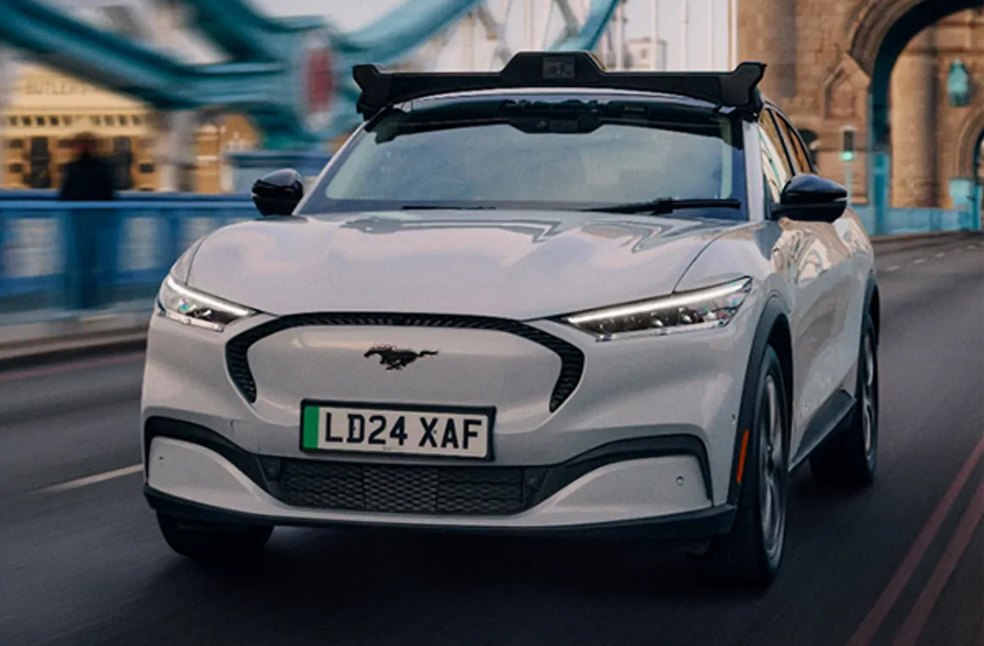
London: Londoners can now book self-driving taxis through the Uber app for the first time, following the launch of Wayve’s autonomous vehicles in the UK capital.
The initial service is limited, with only 15 vehicles currently licensed to operate. This compares with more than 100,000 private hire vehicles in London and around 100,000 Uber customers who have registered to use autonomous rides.
The vehicles will continue to have a licensed safety driver in the front seat who can take control if required. Transport for London approved Uber and UK-based technology company Wayve’s modified Ford Mustang vehicles as private hire cars last month, subject to the requirement that a safety driver remains present.
London, your ride has arrived. 🇬🇧
Today, Wayve and @Uber launch supervised autonomous rides across all of London (except airports) – the first time the public can experience the Wayve AI Driver and the first autonomous trips available in the UK.
Taking your first ride? Tag us… pic.twitter.com/agUQ3c8OhH
— Wayve (@wayve_ai) September 3, 2026
Fully autonomous operations without a safety driver require separate government approval through the Driver and Vehicle Standards Agency. That approval is now considered unlikely to be granted this year.
The launch marks an important step in the development of driverless taxi services in London, which is regarded as a key market for potential expansion across Europe. Google-owned Waymo and Chinese technology company Baidu are also testing autonomous vehicles in the capital.
Wayve’s self-driving system uses an artificial intelligence-based learning model rather than the detailed mapping approach used by some competitors. The company plans to transition to manufacturer-produced vehicles, including Nissan Leaf robotaxis, once safety performance has been validated and the necessary regulatory approvals secured.

Customers can hail and unlock the autonomous vehicles through the Uber app. A safety driver remains available during the journey and can take control if requested or if necessary.
Uber previously partnered on the launch of a commercial robotaxi service in Zagreb, Croatia, where vehicles also operate with a human safety driver onboard. The company has said autonomous vehicles could eventually provide safer and cheaper journeys, although current operations remain more expensive than traditional human-driven rides.
The London rollout comes as authorities and companies assess the potential impact of autonomous vehicles on transport, employment and the wider private hire industry. Uber has said its platform will continue to accommodate both human drivers and autonomous vehicles as the market develops.
ALSO READ | Japan halves speed limit on narrow city roads to 30km/h
