


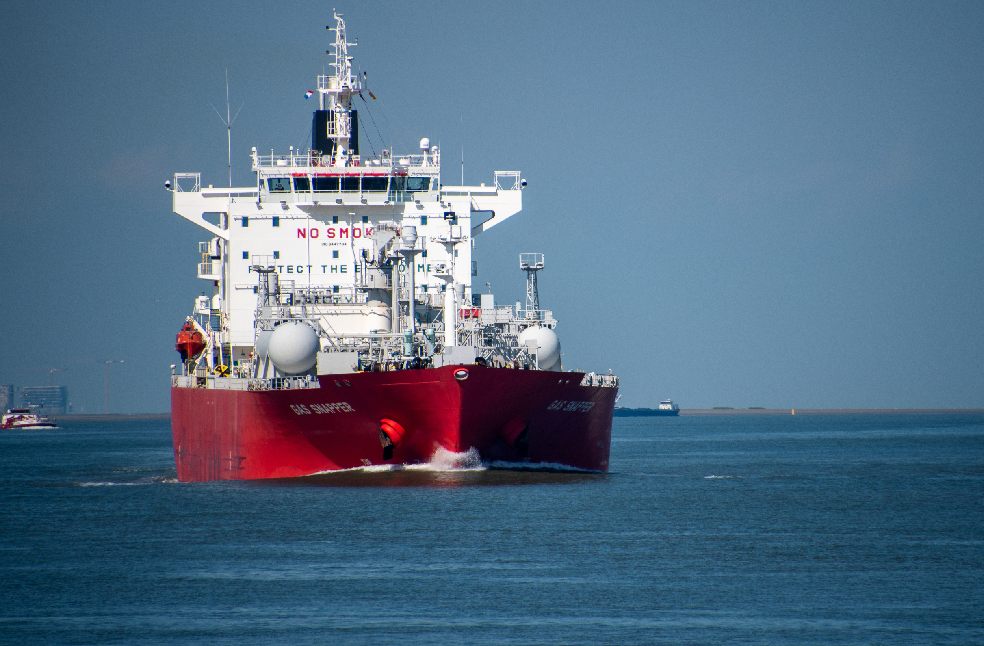
London: EU gas storage levels have fallen to their lowest point in 13 years ahead of the winter heating season, raising concerns over higher energy prices and increased market volatility.
Gas stores across the European Union were 63 percent full in the last week of August. That compares with an average of about 80 percent for the same period in recent years and ranks among the lowest levels recorded for this time of year.
The UK could face particular exposure to price swings because Britain remains one of Europe’s biggest gas consumers while maintaining relatively low domestic gas storage capacity. European storage sites normally fill during the warmer months when demand and prices are lower.
Several factors have contributed to the weaker stockpiles. A cold end to the previous winter increased gas consumption. Higher-than-usual gas-fired power generation during summer heatwaves has also placed additional pressure on supplies.

The disruption to oil and gas exports from the Gulf region following the US-Israel war on Iran has further complicated efforts to rebuild European reserves. The EU struggles to move storage levels towards a revised target of 80 percent before winter.
Despite the depleted reserves, Europe is not expected to face physical gas shortages during the coming winter. Energy traders and analysts are instead anticipating stronger price pressure as countries compete for available supplies.
The European benchmark gas price climbed above €68 per megawatt-hour (MWh) ($78.77 per MWh) in recent weeks. That represents more than double the level recorded at the beginning of the year and marks a three-year high.
Competition with Asian buyers for liquefied natural gas cargoes could push prices higher as temperatures fall. Goldman Sachs analysts warns that without a return of gas exports from the Middle East, Europe’s benchmark price could need to rise above €100/MWh ($116 per MWh) to attract enough shipments to cover winter demand.
MOST READ | Global tech firms urge action against rising AI threats
