


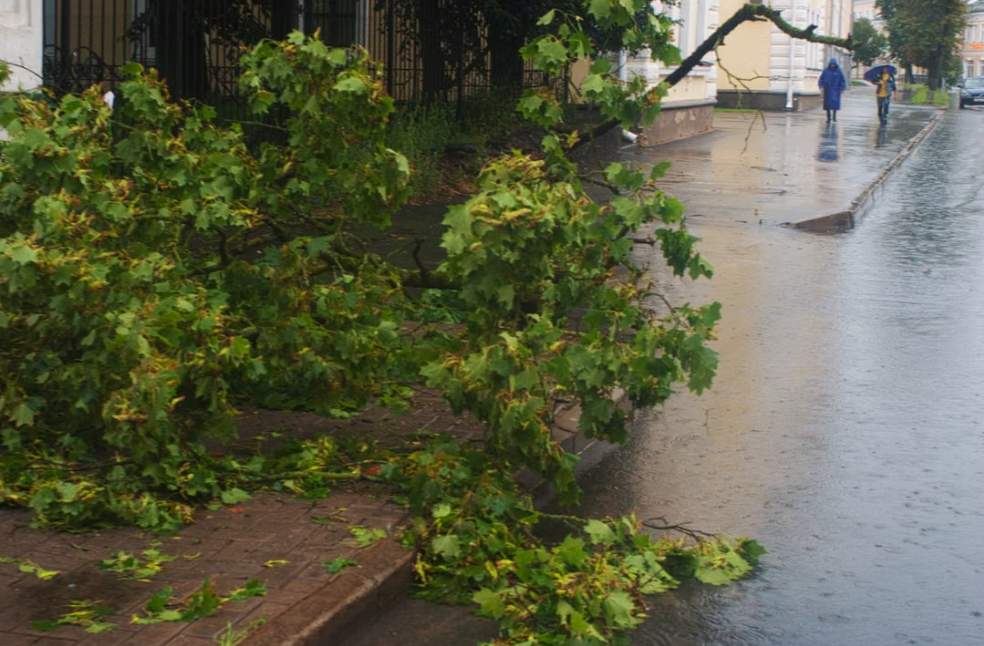
Beijing: China has been struck by its second typhoon in a week after Typhoon Bavi made landfall along the country’s eastern coast, prompting one of the largest evacuation efforts of the year.
Authorities said nearly 1.7 million people were moved to safer locations in Zhejiang province, while thousands more were evacuated from neighbouring areas as the powerful storm brought heavy rain and strong winds.
Typhoon Bavi first made landfall in the coastal city of Taizhou on Saturday evening before crossing into Wenzhou several hours later. Although the storm weakened to a Category 1 typhoon before reaching mainland China, officials warned that the system still carried an enormous amount of moisture capable of triggering widespread flooding and landslides.
Emergency measures were implemented across the affected regions to reduce the risk to residents. Schools were closed, outdoor activities were suspended, and hundreds of flights and dozens of train services were cancelled as the storm approached.
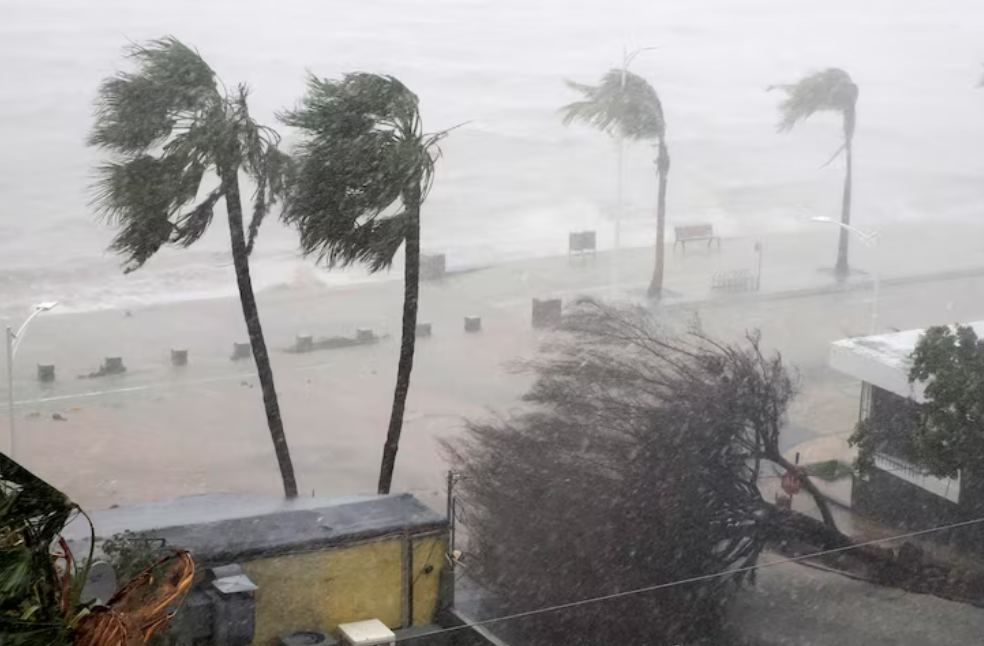
Officials said the large-scale evacuations were carried out as a precaution to protect communities from potential flooding, strong winds and landslides. Before reaching China, Typhoon Bavi swept across the western Pacific, affecting Guam, the Northern Mariana Islands, Japan and Taiwan.
The storm brought heavy rainfall and strong winds to the region, causing power outages, travel disruptions and forcing thousands of people to leave their homes. In the Philippines, landslides triggered by the storm killed at least 17 people, while Japan reported injuries but no fatalities.
The latest storm has arrived as parts of southern China continue to recover from the impact of Typhoon Maysak, which struck earlier in the week. Maysak left at least 39 people dead, caused significant agricultural losses and triggered rare tornadoes in Hubei province, adding to the challenges faced by emergency response teams.
Chinese authorities continue to monitor Typhoon Bavi as it moves inland, warning residents to remain alert for flash floods, landslides and severe weather. Emergency services remain on standby while local governments work to minimise damage and ensure public safety as the storm system weakens over the coming days.
MOST READ | Behind QR code: Unseen cyber risks of everyday scanning
