


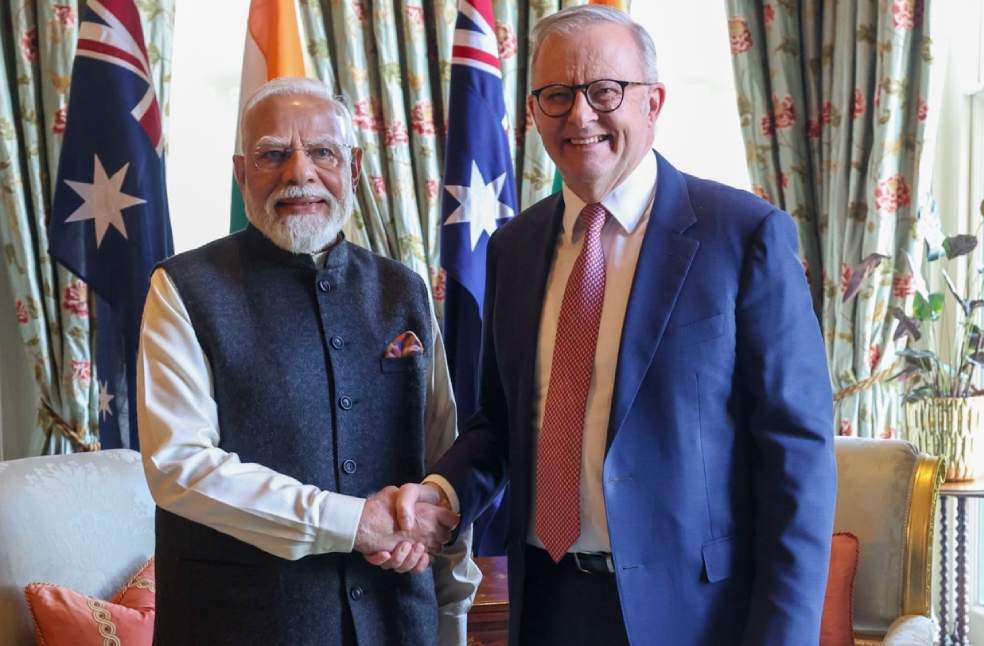
Melbourne: Australia and India have announced a major breakthrough in their bilateral relationship with a new uranium export agreement that is expected to pave the way for regular Australian uranium shipments to India for peaceful civilian purposes.
Australian Prime Minister Anthony Albanese unveiled the agreement during talks with Indian Prime Minister Narendra Modi in Melbourne, describing it as another milestone in the growing strategic partnership between the two nations.
The agreement addresses long-standing delays that followed a 2014 uranium export pact, under which regular shipments had not commenced due to concerns over the potential use of Australian uranium in India’s nuclear weapons programme. Under the renewed arrangement, uranium exports will be supplied exclusively for peaceful civilian and energy-generation purposes.
Addressing the joint press meet with PM Albanese.@AlboMP https://t.co/CZ96A4au2x
— Narendra Modi (@narendramodi) July 9, 2026
Albanese said the deal would create new opportunities for Australia’s resources sector while supporting India’s expanding clean energy ambitions. “Our relationship with India has never been stronger,” Albanese said, adding that both countries are committed to deepening and diversifying cooperation across trade, energy, security and investment.
Modi welcomed the agreement, describing it as an important step in supporting India’s rapidly growing nuclear energy sector and strengthening long-term energy security. Alongside the uranium deal, the two leaders announced a joint declaration on defence and security cooperation aimed at enhancing collaboration across the Indo-Pacific region. The agreement includes closer consultations on regional security developments and expanded practical defence cooperation between Canberra and New Delhi.
Modi said Australia and India would continue working together to promote peace, stability, freedom of navigation and a rules-based order throughout the Indo-Pacific. The Indian Prime Minister is on a three-day visit to Australia, during which he is also expected to address more than 20,000 members of the Indian-Australian community at Melbourne’s Marvel Stadium, highlighting the strong people-to-people ties between the two nations.
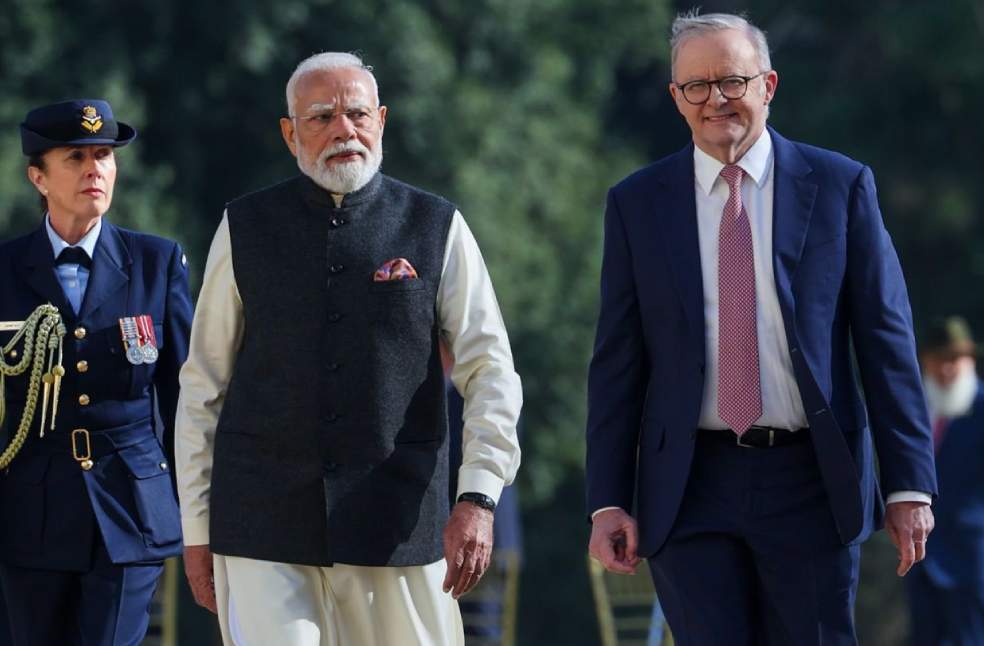
Speaking earlier at a business forum in Melbourne, Albanese said economic relations between Australia and India had evolved significantly over the past decade but still offered substantial untapped potential. He credited Modi’s leadership and growing business engagement for accelerating bilateral cooperation.
Business leaders from both countries have expressed optimism that the strengthened partnership will encourage greater investment, increased two-way trade and expanded collaboration in higher education, critical minerals, clean energy and advanced technologies.
The visit also comes amid heightened security measures. Australian Federal Police confirmed they had formally warned a young individual over an alleged death threat directed at Modi before his arrival. Separately, police removed a far-right influencer who entered the hotel where the Indian leader was staying after causing a disturbance in the lobby.
Despite criticism from some international human rights organisations over domestic issues in India, Modi continues to attract significant support from the Indian diaspora in Australia, with thousands expected to attend community events during his visit.
The uranium agreement is widely viewed as a significant step forward in Australia-India relations, reinforcing cooperation in energy security, strategic affairs and regional stability while opening new commercial opportunities for both countries.
POPULAR | Study warns landfill diet may harm Europe’s white Storks
