


London: As Black Friday approaches on November 27, cybersecurity experts are warning online shoppers about a growing threat from fake shopping websites created using artificial intelligence (AI).
These fraudulent platforms imitate legitimate retail brands, using similar website names, product images, and designs to convince customers that they are shopping on genuine websites.
The scams often begin when shoppers search online for discounted products. A customer looking for a particular item may find what appears to be an attractive offer on a familiar-looking website, only to discover later that the store is fake and the purchased product will never arrive.
Cybersecurity company Norton expects suspicious websites to increase as consumers begin their holiday shopping. Luis Corrons, a security researcher at Norton, stated that the number of such websites typically rises during the period between Black Friday and Christmas.
Fake shopping platforms can appear in ordinary search results and recommendations generated by AI chatbots. The UK-based National Trading Standards has warned that criminals are attempting to manipulate AI models, including ChatGPT, so they recommend fraudulent websites to consumers.
Michael Vainshtein, co-founder of cybersecurity company Guardio, explained that scammers use fake online stores and phishing pages to reach both people and AI agents. They promote these websites through search results, Google advertisements, paid promotions, compromised websites and social media posts featuring attractive deals.
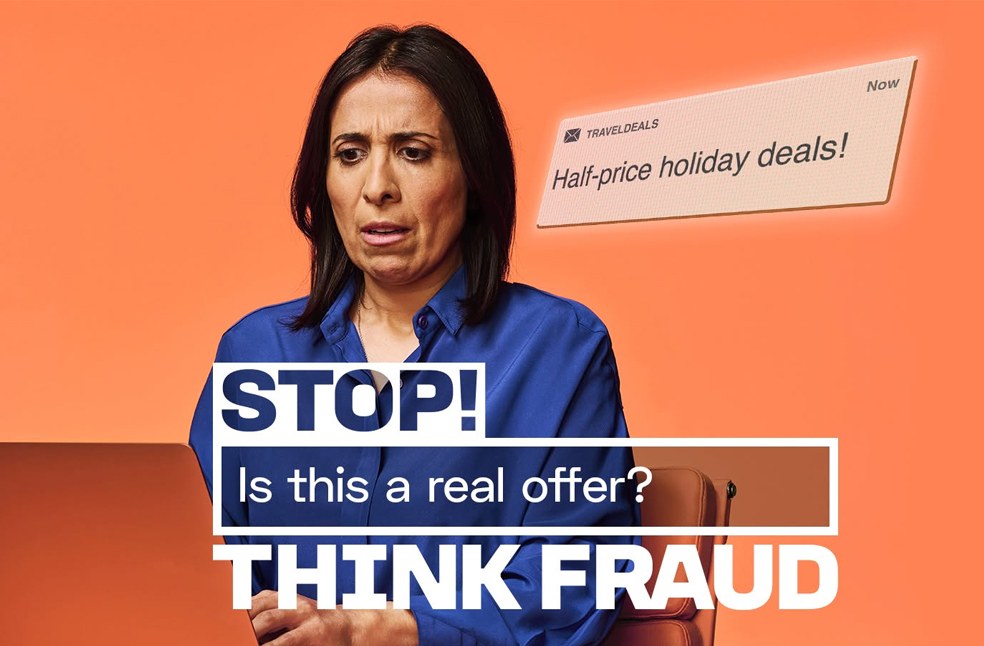
Leyla Bilge, Norton’s global head of scam research, urged young consumers to remain particularly cautious, as they may encounter fraudulent offers through social media and make purchasing decisions impulsively.
Bilge warned that shoppers should be suspicious when a product that is difficult to find suddenly appears at a significantly reduced price from an unfamiliar seller.
How to identify fake shopping websites
AI-generated clone websites can closely resemble genuine retail platforms, making them difficult to identify at first glance. Scammers frequently advertise products at unusually steep discounts, sometimes reaching 80 per cent, to encourage shoppers to make quick purchases.
Some fraudulent websites also use web addresses that closely resemble those of established brands. In June, several reports highlighted fake websites imitating British footwear retailer Russell & Bromley, with addresses including variations such as ‘therussellbromleyofficial’ and ‘russellbromleyonlineuk’.
Payment methods can provide another warning sign. Although some websites request card information, others insist on bank transfers or cryptocurrency payments. Some may offer PayPal but encourage customers to select the ‘send to a friend’ option, claiming it helps avoid additional fees.

Ways to protect yourself from online shopping scams
Cybersecurity professionals recommend checking website addresses carefully before making purchases. Genuine UK retail websites commonly use familiar domains such as .co.uk or .com, while additional words such as ‘official’ or ‘deals’ in a web address may warrant closer inspection.
Shoppers should also be cautious of websites that accept only bank transfers or cryptocurrency, as these payment methods can make it harder to recover lost money.
The Co-operative Bank has introduced a tool called Ask Silver, which allows users to upload suspicious messages, emails or website details to check whether they are potentially fraudulent.
Consumers who discover that they have shared their financial information with a fraudulent website should contact their bank immediately and report the incident to the UK’s Report Fraud service.
As online shopping activity increases ahead of Black Friday, taking time to verify retailers, examine website addresses and check payment options can help consumers avoid falling victim to convincing digital scams.
MOST READ | BepiColombo set to uncover Mercury’s hidden mysteries