


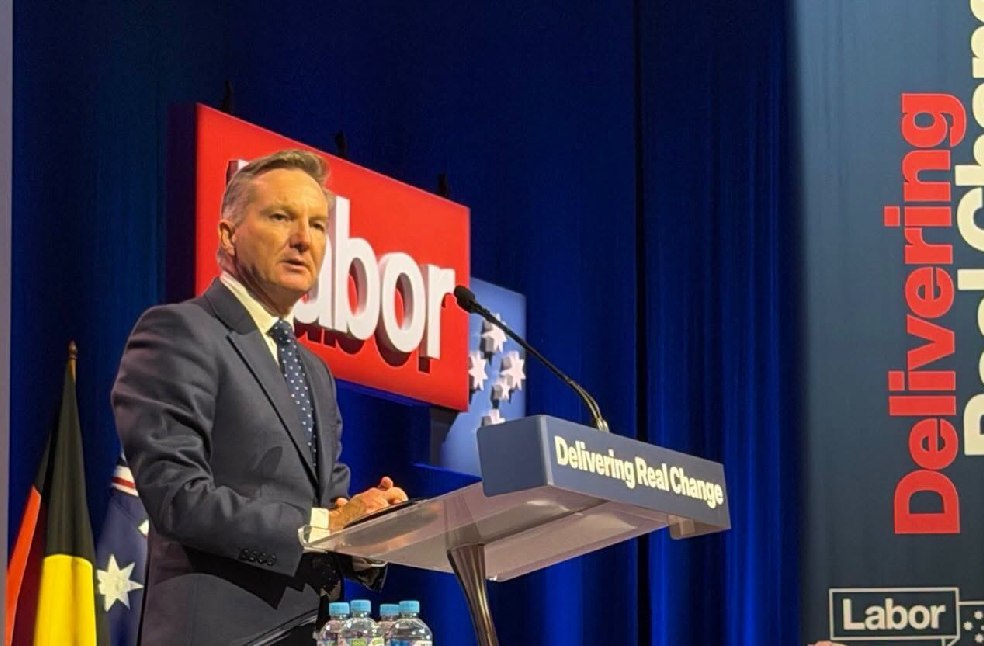
Australia: The latest climate projections show that the country is on course to miss its 2035 emissions reduction target, even as it approaches its 2030 goal.
The latest assessment indicates that Australia could reduce greenhouse gas emissions by 48 percent below 2005 levels by 2035. This remains well below the national target of a 62 percent to 70 percent reduction. The projection has remained unchanged from the previous assessment released in November 2025, highlighting the need for stronger climate measures.
In an annual climate statement to parliament, Chris Bowen, Climate Change and Energy Minister acknowledged the progress made but warned that the country faced significant challenges in meeting its longer-term commitments.
View this post on Instagram
Bowen criticised the Queensland Liberal National government’s decision to abandon renewable energy targets and extend the operation of coal-fired power stations, warning that the moves could significantly affect national emissions and discourage future investment in renewable energy projects.
The projections show that Australia could achieve a 42 percent reduction in emissions by 2030 compared with 2005 levels, bringing the country close to its target of 43 percent. However, this forecast depends on renewable energy accounting for 82 percent of national electricity generation by 2030. Experts have questioned whether this can be achieved because of delays affecting large-scale wind farms and new transmission infrastructure.
The department’s assessment warned that if supply chain constraints and project delays push the 82 percent renewable energy target back to 2032, Australia’s emissions reduction by 2030 could reach only 38 percent.
A separate government report found that emissions fell by 1.3 percent, equivalent to 6.2 million tonnes, in the year to June. Bowen noted that the reduction was 1.5 times the average annual rate recorded over the previous decade, while total emissions stood 25.3 percent below 2005 levels.
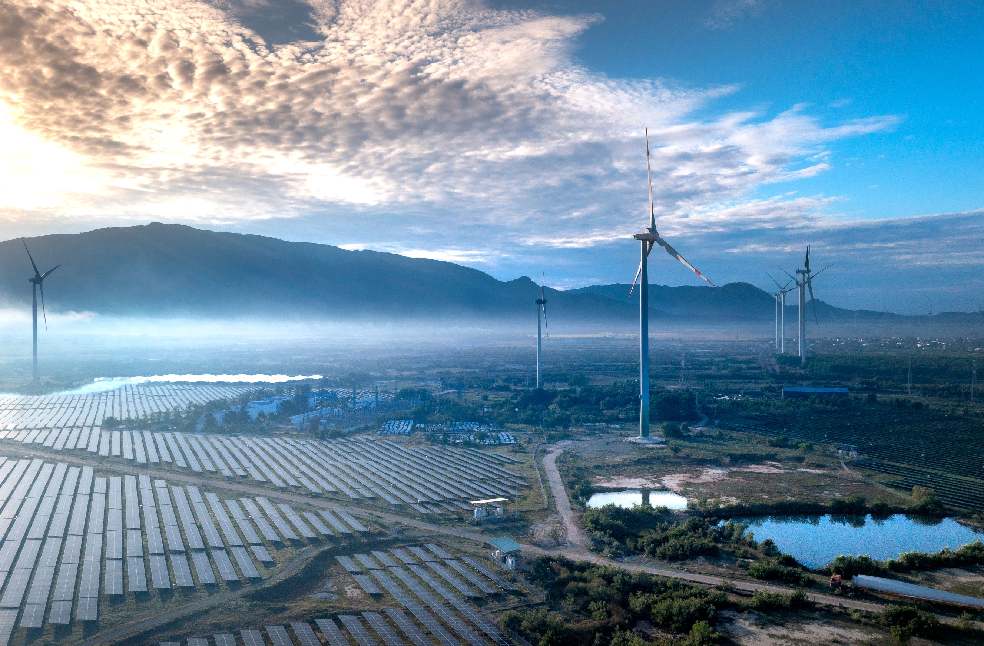
Electricity generation emissions declined by 3.6 percent, supported by record renewable energy production and the continued displacement of coal and gas. Gas-fired electricity generation fell by 23.2 percent, while coal generation decreased by 3.6 percent.
However, the Climate Change Authority warned that emissions reductions must accelerate substantially, estimating that Australia needs sustained annual cuts of approximately 25 million to 30 million tonnes to achieve its 2030 and 2035 targets.
The authority also highlighted progress in transport, with electric and plug-in hybrid vehicles accounting for 29 percent of new light vehicle sales in 2026, compared with 13 percent in 2025. Further reductions will be needed across industries, resources and agriculture. Methane emissions remain another priority, with recommendations to detect and repair leaks at mining sites and reduce avoidable venting and flaring of fossil fuel gas.
In response to Bowen’s parliamentary statement, Dan Tehan, Shadow Energy and Emissions Reduction Minister focused on electricity prices and the breakdown of COP31 climate negotiations. Tehan argued that national emissions had increased since Labor came to power in 2022 but did not account for the unusually low emissions recorded during pandemic-related economic shutdowns that year. The projections highlight the gap between Australia’s existing climate policies and its 2035 commitment.
ALSO READ | Indonesia steps up search for dozens of trapped mine workers