


New York: Apple is expected to unveil a new range of smart home products on October 13, including an iPad-like display designed to be mounted on walls or placed on tabletops, as the company looks to expand its presence in the connected home market with an upgraded Siri virtual assistant.
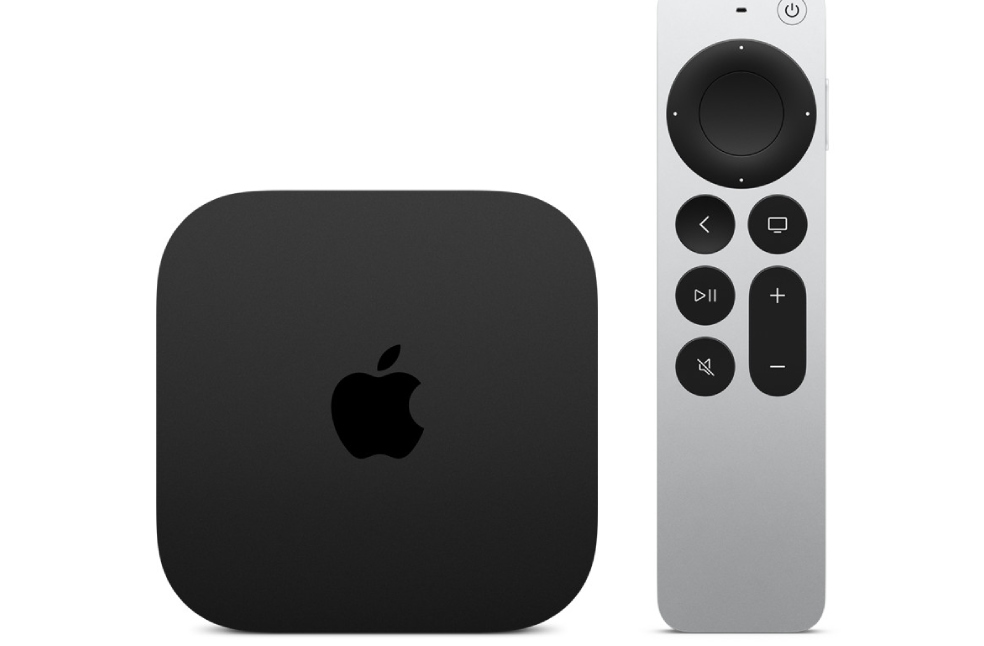
The anticipated devices are designed to help users manage smart home equipment, including doorbells, thermostats and smart locks. Apple could also introduce updates to its HomePod smart speakers and Apple TV devices, according to analysts cited in the report.
The planned launch comes as Apple seeks to strengthen its position against established competitors such as Amazon and Google, which have developed extensive smart home ecosystems. Amazon has expanded its Echo speaker and Ring doorbell offerings, while Google continues to compete through its Google Home products.
Apple introduced its Home app in 2016 to help users control connected devices, followed by the launch of HomePod speakers in 2018. However, the company has struggled to achieve the same level of traction as some rivals in the smart home market.
Analysts have identified two major challenges for Apple: ensuring its products work smoothly with third-party devices and improving Siri’s ability to provide useful responses. An AI-powered assistant could help address these issues by making device setup and everyday home controls more intuitive.
Apple upgraded Siri’s capabilities earlier in 2026 with assistance from Google, which has entered into a multiyear agreement with Apple involving its Gemini AI models. The integration could support Apple’s broader efforts to make its devices more responsive and useful in everyday situations.
Bob O’Donnell, chief analyst at TECHnalysis Research, noted that advances in artificial intelligence could help Apple improve the smart home experience. However, he emphasized that device compatibility and ease of setup would remain critical to the company’s success.
The launch would mark another step in Apple’s efforts to make connected home technology more accessible. Its success will depend on whether the company can simplify device integration, improve Siri’s performance and offer consumers a compelling alternative to existing smart home platforms.
ALSO READ | Balkans see sharp temperature swings as heavy rain hits Greece
