


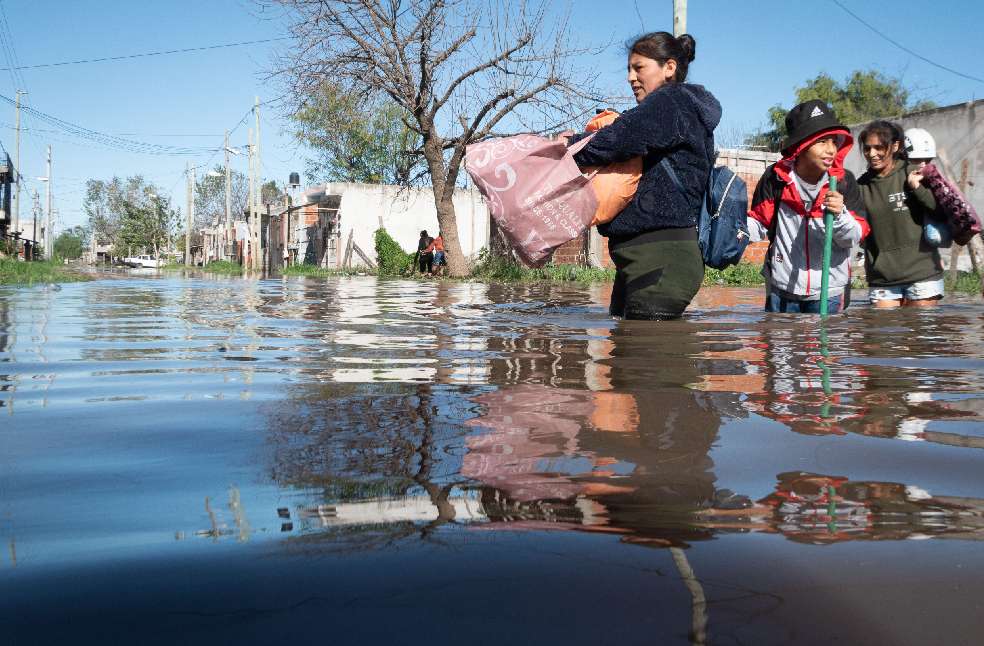
Mexico: Hurricane Simon and Tropical Storm Rachel have killed 5 people along Mexico’s Pacific coast, damaging homes and infrastructure while triggering flash floods, road closures and emergency rescue operations.
Simon caused the death of a 71-year-old man in Chilpancingo, the capital of Guerrero state, after a wall collapsed. The storm also damaged homes and infrastructure in coastal communities, including the major port city of Acapulco.
The state prosecutor’s office remarked that the tropical Storm Rachel was linked to the deaths of 4 members of a family, including 2 children, whose bodies were found on the outskirts of Ensenada in Baja California.
Authorities reported that 5 other people remained missing. Security forces used helicopters to rescue 32 people, while Marina del Pilar, Baja California Governor noted that officials were assisting more than 50 people in temporary shelters.
The storms brought heavy rainfall that flooded homes and damaged roads. Fallen trees and electricity poles disrupted infrastructure in affected communities. Flooding and landslides also struck areas near rivers and streams in Michoacan and Colima, prompting continued concern over dangerous conditions.

Simon did not make landfall and has weakened to Category 2 on the five-point Saffir-Simpson hurricane scale. Authorities noted that the storm was moving away from the coast, although a rain alert remained in place.
The US National Hurricane Center in Miami warned that heavy rainfall associated with Simon could continue across west-central Mexico over the coming days. The rainfall could trigger life-threatening flooding and mudslides, even as the storm moves farther from the coastline.
Officials also warned of waves reaching up to 5 metres in some coastal areas. The continued threat of heavy rain and rough seas has raised concerns for communities already affected by flooding and infrastructure damage.
The storms developed during a hurricane season influenced by the El Niño climate phenomenon, which involves warmer-than-average Pacific Ocean temperatures and can affect global wind patterns and rainfall.
Meteorologists described the 2026–2027 El Niño as potentially the strongest on record. Scientists also suggested that human-caused global warming may be increasing the intensity of El Niño events, adding to concerns about extreme weather conditions.
MOST READ | China, EU discuss fairer terms for hybrid vehicle exports
