


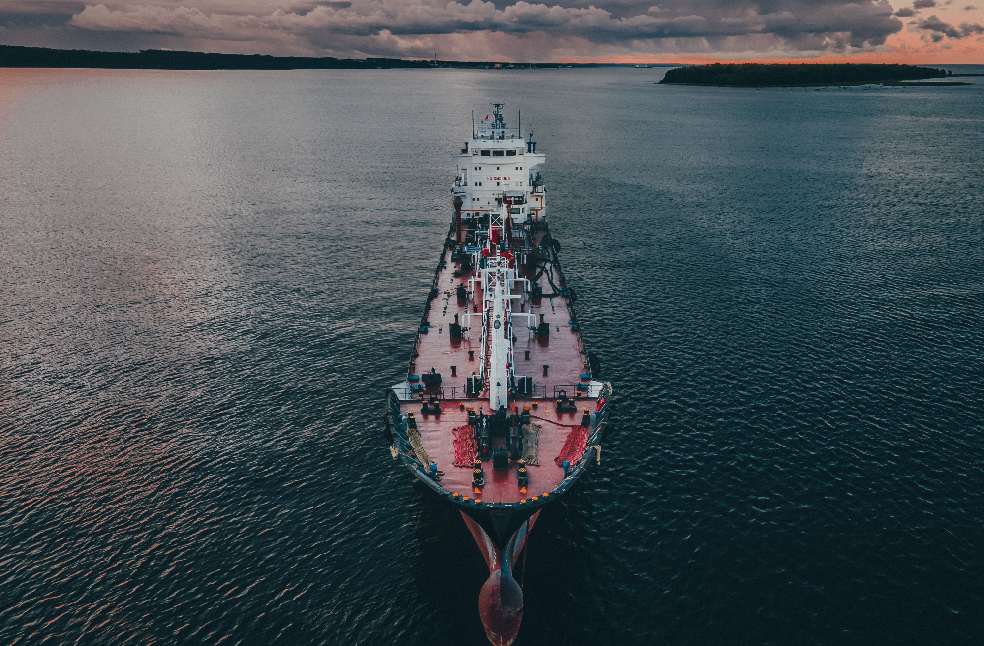
Singapore: Rising tanker freight rates are making US crude oil increasingly expensive for Asian refiners, prompting buyers to consider supplies from the Middle East and Latin America as shipping costs reach record levels.
The cost of chartering a very large crude carrier (VLCC) to transport 2 million barrels of US crude from the Gulf of Mexico to China in November reached $80 million. The surge has increased the cost of importing US oil into Asia.
Refiners in the region are now considering alternatives, including Murban crude from the United Arab Emirates (UAE). The shift in buying interest pushes Murban’s premium above $11 a barrel against Dubai quotes on October 8.
Shipping costs risen sharply since the US-Israeli war on Iran began in February. At $40 a barrel, freight charges are nearly half the current price of a West Texas Intermediate (WTI) crude futures contract. Before the conflict began, the shipping cost stood at $8.60 a barrel.
The higher charges added pressure on refiners in the world’s largest oil-importing region. Meanwhile, shipowners are benefiting from increased freight earnings as demand for tankers on the route remains strong.
US oil sellers are expected to lower their offers to remain competitive in international markets. Some trading firms are also turning to smaller vessels to reduce transportation costs.
Trafigura has chartered the Aframax tanker Torm Hilde, which can carry about 600,000 barrels, for $24 million to load US crude for Japan on November 1. The arrangement reflects the use of smaller tankers as companies respond to elevated shipping rates.
Vitol also sought to arrange a shipment using the Aframax tanker Riverside to transport US oil to South Korea in early November. The fixture, priced at $27 million, did not go through.
Steady demand for tankers on the US-to-Asia route continues to support freight rates. Expectations of a further release of US strategic petroleum reserves are also adding to demand for shipping capacity.
The combination of expensive transportation and strong competition from alternative suppliers could influence how Asian refiners source crude in the coming weeks. Lower offers from US sellers may help offset some of the additional costs, but shipping expenses remain a major factor in the region’s purchasing decisions.
YOU MAY LIKE | NASA Curiosity rover captures dawn light over Mars landscape
