



From traditional chocolate treats to luxury beauty products and gourmet surprises, advent calendars are evolving into a popular festive shopping experience for consumers across the UK.
Advent calendars are taking on a new meaning as the Christmas season approaches, moving beyond their traditional role as chocolate-filled countdowns to become lifestyle products attracting consumers of different ages.
From premium skincare and fragrances to speciality teas, toys and gourmet treats, the growing variety reflects changing shopping habits and the demand for more personalised festive experiences.
Once primarily associated with children, advent calendars have increasingly found a place in adult Christmas shopping. Their appeal lies in the excitement of opening a small surprise each day in the run-up to Christmas, combining the nostalgia of a familiar tradition with the attraction of discovering new products.
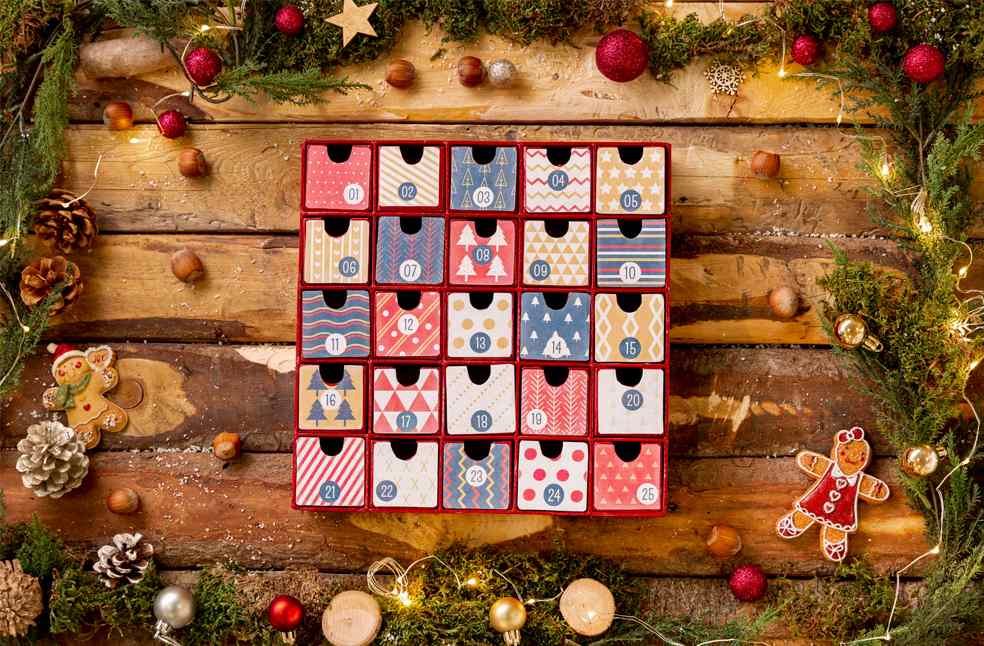
Research published by Ipsos in November 2025 found that 72 percent of Britons purchase advent calendars. Chocolate remains the leading choice, with 84 percent of buyers typically opting for chocolate calendars. However, beauty products are gaining attention, accounting for 15 percent of purchases, followed by toys at 14 percent and non-chocolate food calendars at 10 percent.
The shift is particularly noticeable among younger consumers. According to the Ipsos findings, 40 percent of people aged 18 to 34 have purchased a beauty advent calendar, highlighting the growing appeal of products that offer more than traditional festive treats.
Beauty and luxury products drive demand
Beauty advent calendars have become one of the most visible developments in the category. Retailers and brands are offering collections featuring skincare, makeup, haircare and fragrances, allowing customers to sample multiple products through a single purchase.
The growing commercial appeal is reflected in UK retail figures. Data from Circana, reported by Cosmetics Business, showed that prestige beauty advent calendar sales in the UK exceeded £13.9 million during the week of August 25 to 31, 2025, more than double the value recorded during the same period a year earlier.
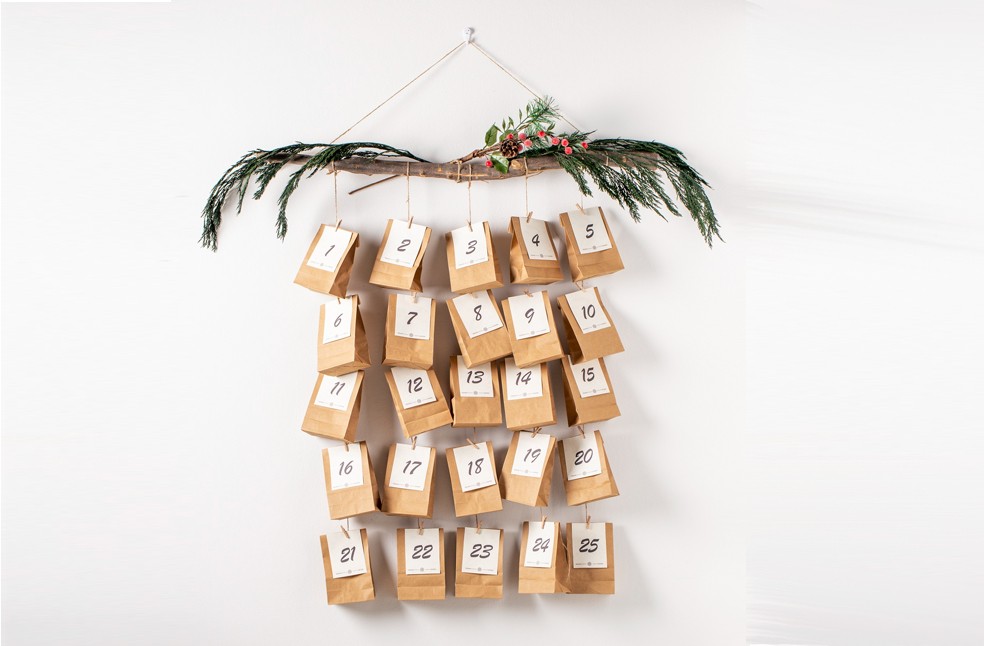
Retailers including Liberty, Space NK, Boots and LookFantastic have helped popularise the category through collections featuring established and emerging beauty brands. Some premium calendars advertise contents worth considerably more than their selling prices, positioning them as both gifting options and opportunities to discover new products.
Social media adds to the excitement
Social media has also played an important role in expanding the trend. Influencer-led unboxing videos, product reviews and daily countdown content have turned advent calendars into shareable seasonal experiences.
According to Ipsos, online conversations about advent calendars begin gaining momentum as early as September, supported by brand promotions and influencer partnerships. The anticipation surrounding product reveals encourages consumers to compare different collections and follow launches before the festive season begins.
Beyond beauty, the market now includes calendars featuring coffee, tea, candles, jewellery, stationery, toys and pet treats. These themed offerings allow brands to reach consumers with different interests while giving shoppers more personalised gifting choices.
Affordability and sustainability remain considerations
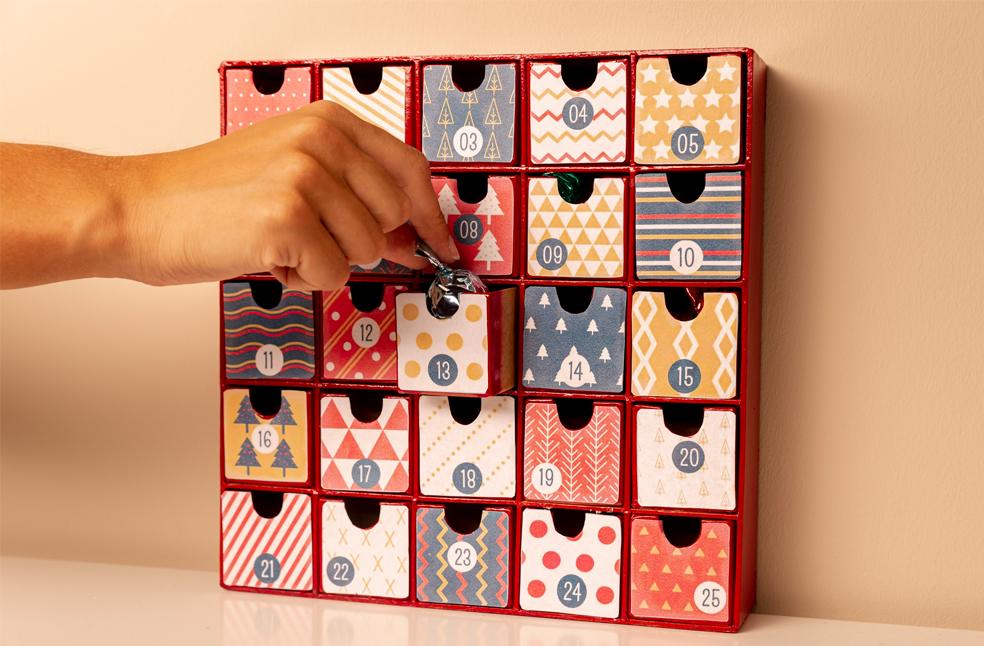
Despite the growing range of premium options, affordability continues to influence purchasing decisions. Ipsos found that 55 percent of consumers buying advent calendars planned to spend £10 or less, while only 8 percent expected to spend more than £100.
The expansion of the market has also raised questions about packaging waste and unnecessary consumption. Environmental campaigners have expressed concerns about individually wrapped products, excess packaging and items that consumers may not use.
As the category continues to evolve, brands face the challenge of balancing attractive packaging and product variety with affordability and more sustainable choices.
Ultimately, the popularity of advent calendars reflects a broader shift in Christmas shopping, where consumers increasingly value experiences, personal treats and the anticipation of discovering something new each day. What began as a simple festive countdown has developed into a diverse retail category that brings together tradition, gifting and everyday indulgence.
POPULAR | From Crafts to Décor: The everyday appeal of Pinterest
