



Seoul: More than half a million students across South Korea sat the country’s highly competitive university entrance exam on November 19, facing not only challenging academic questions but also heightened security measures introduced following a major artificial intelligence (AI) cheating scandal.
The eight-hour examination, which covers subjects including mathematics and Korean, plays a crucial role in determining students’ admission to leading universities in the country.
This year’s examination has attracted increased scrutiny following revelations that the top scorer in the national tax accountant examination admitted on November 15 to using a concealed microcamera and an AI tool to cheat.
The incident raised concerns about the credibility of South Korea’s examination system and prompted authorities to introduce additional measures to prevent malpractice.
The new restrictions include prohibiting candidates from bringing their own pens and erasers. Officials have also introduced stickers to cover clothing buttons that could potentially conceal miniature cameras.

At an examination centre in central Seoul, students stated that the scandal and tighter regulations had added to their anxiety and influenced their preparations.
Public attention has also turned to the top scorer in this year’s law school entrance examination, who had faced scrutiny and was under police investigation.
The student had pledged to livestream a section of an examination to demonstrate his abilities but failed to appear for the broadcast on November 19. reports say, citing police, that the student was later found dead at a motel.
The government has announced plans to impose stricter penalties for examination malpractice. Under the proposed rules, anyone caught cheating could face a 10-year ban from taking the examination, in addition to criminal penalties.
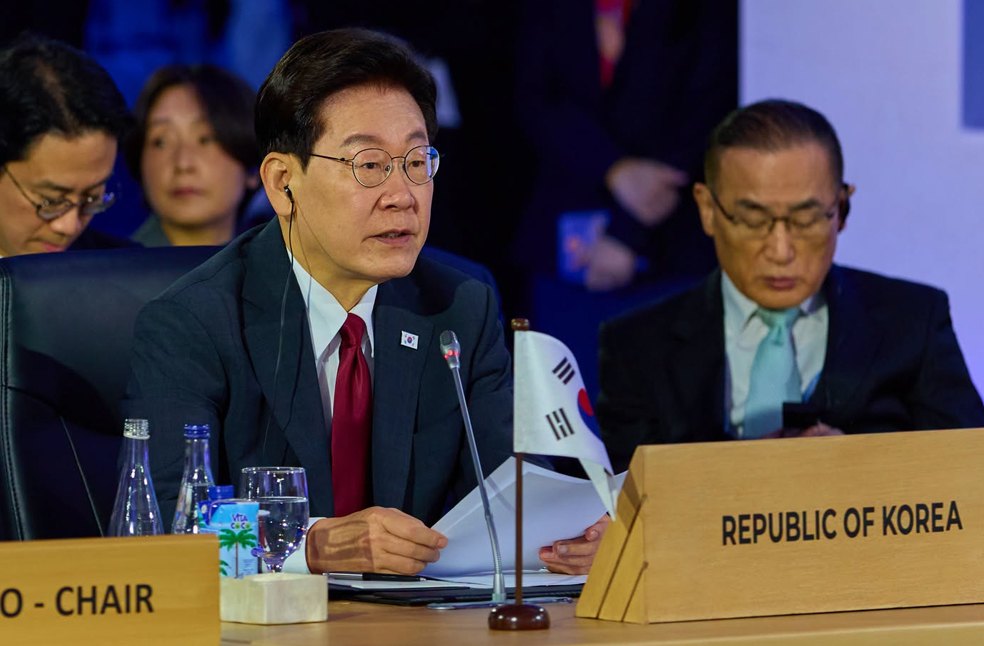
South Korean President Lee Jae Myung also called for rewards of at least 100 million won (around $75,040) for individuals reporting attempts to cheat.
Meanwhile, authorities took additional steps to detect concealed electronic devices. At 8.30am, mobile phones across the country received an emergency alert that triggered maximum-volume notifications to help identify devices brought into examination halls.
The Education Ministry later confirmed that 22 smartphones had been confiscated from students at examination centres. Authorities will investigate whether the devices were intended for cheating.
South Korea also introduced nationwide arrangements to minimise disruptions during the examination. Financial markets opened an hour later than usual, while aircraft were prohibited from taking off for 35 minutes during the English listening section to prevent noise interference.
Police vehicles were also placed on standby across the country to transport students who risked arriving late at their exam centres.
MOST READ | UK food banks warn of donation crisis ahead of winter
