


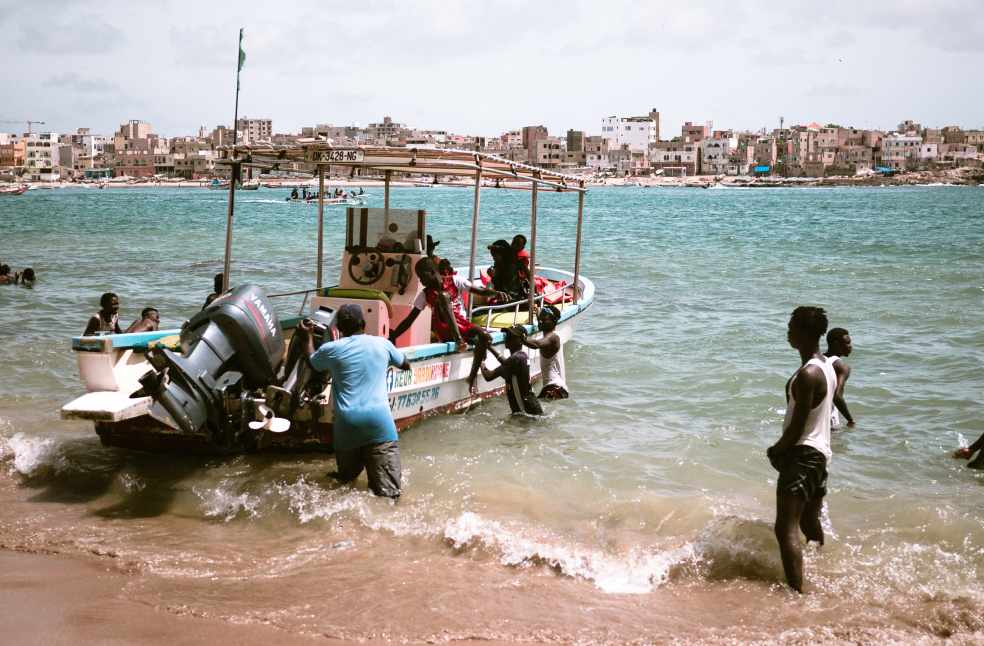
Dakar: Senegalese authorities have continued search and rescue operations after a boat carrying approximately 100 migrants capsized off the country’s coast, leaving dozens of people missing and raising fears of further casualties.
The boat reportedly capsized around 02:00 local time near the coastal town of Yenne, south of the capital, Dakar. Initial reports confirmed one death, while local media later reported that at least four bodies had been recovered.
The badly damaged boat eventually washed ashore near Yenne, where authorities discovered personal belongings and other items scattered around the wreckage. Police also recovered identity documents, several mobile phones and belongings, including a school-related item believed to belong to a high school student.
Oumar Sow, a representative of the village chief, stated that the incident occurred during the early hours of the morning. A survivor questioned by police reportedly remarked that around 100 people were aboard the vessel, although the exact number of passengers and missing individuals has yet to be established.
The latest incident comes less than two weeks after another deadly shipwreck off the coast of Thieppe, in north-western Senegal, claimed at least 39 lives, making it one of the country’s deadliest recent migration-related tragedies.
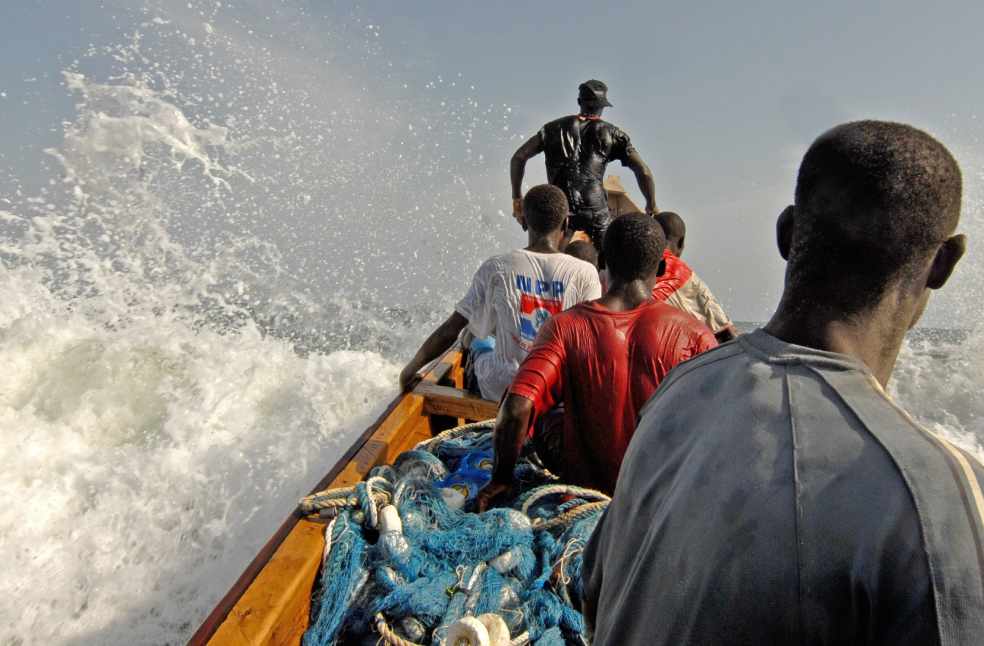
During a cabinet meeting, Senegalese President Bassirou Diomaye Faye expressed concern over the renewed increase in irregular migrant departures from the country, particularly among those attempting to reach Europe through dangerous Atlantic crossings.
He instructed the Interior Ministry to prepare a report examining the reasons behind the growing number of risky departures and recommend measures to address the situation. Following last month’s deadly shipwreck, Faye had also urged Senegalese citizens not to put their lives at risk by undertaking dangerous sea journeys.
Thousands of migrants from West Africa have died or disappeared while attempting to reach Europe in search of safety, better economic opportunities and improved living conditions, often fleeing conflict, political repression and poverty.
The International Organisation for Migration (IOM) reported last month that at least 454 people had died or gone missing along the Atlantic migration route off the West African coast this year. The agency warned that the actual death toll could be significantly higher, as many boats disappear at sea without survivors or any trace of their whereabouts.
The latest tragedy has renewed concerns over the dangers of irregular migration across the Atlantic and the urgent need to strengthen efforts to prevent further loss of life.
POPULAR | China to cut tariffs on more Canadian exports as trade ties improve